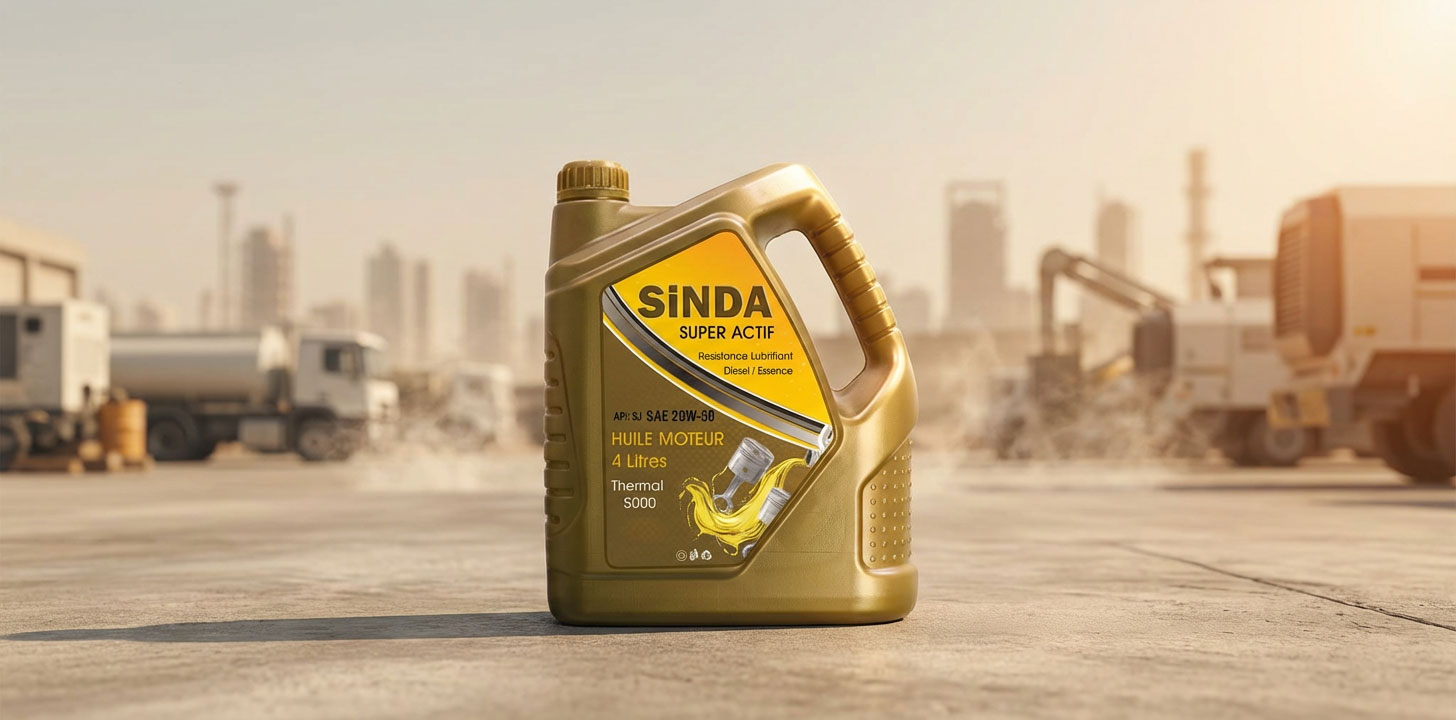
Hot climate operating conditions put additional stress on engines and power-train systems. Higher ambient temperatures, extended idling in traffic, heavier loads, and dust exposure can accelerate oxidation, increase deposit formation, and challenge viscosity stability—especially when the lubricant is not matched to the vehicle’s requirements.
Choosing the right automotive lubricant in these conditions is not only about “using synthetic.” It is about selecting the correct viscosity grade, verifying performance standards (such as API or ACEA), and ensuring the formulation can maintain stable protection under sustained heat. This guide explains the practical selection factors that matter most in hot regions—so fleets, distributors, and vehicle owners can make decisions with fewer risks and better long-term reliability.
Why Hot Climate Conditions Require the Right Lubricant
In high-temperature regions, lubricants face three primary challenges:
- Thermal stress and oxidation: Heat accelerates oil degradation, which can lead to viscosity increase, sludge formation, and shorter service life.
- Viscosity stability under load: When engines operate at higher temperatures—especially under load or continuous driving—the lubricant must maintain a stable film strength to prevent wear.
- Deposits and contamination: Dusty conditions, stop-and-go traffic, and higher blow-by levels can increase contamination and deposit formation, making detergency and dispersancy performance more important.
Because of these factors, a lubricant that performs acceptably in mild climates may not deliver the same stability in hot regions. The right choice is a combination of correct grade (SAE viscosity), verified performance level (API/ACEA), and a formulation designed to protect under sustained temperature and load.
What Automotive Lubricants Do (Beyond “Reducing Friction”)
Automotive lubricants perform multiple critical functions that go far beyond simple friction reduction. In modern engines and power-train systems—especially those operating in hot climates—lubricants act as an active component of system reliability and durability.
Key functions of automotive lubricants include:
Wear protection: Maintaining a stable lubricating film between moving components to reduce metal-to-metal contact under high temperature and load.
Base Oils in Simple Terms: Mineral vs Semi-Synthetic vs Fully Synthetic
Base oils form the foundation of every automotive lubricant. Understanding their differences helps explain why certain formulations perform better under sustained heat and demanding operating conditions.
Mineral Base Oils
Mineral oils are refined from crude oil and are commonly used in conventional lubricant formulations. While suitable for basic applications, mineral base oils generally have lower oxidation stability and narrower operating temperature ranges, which can limit their effectiveness in consistently hot environments.
Semi-Synthetic Base Oils
Semi-synthetic lubricants combine mineral base oils with a portion of synthetic components. This balance improves thermal stability and oxidation resistance compared to purely mineral oils, while remaining cost-effective for mixed driving conditions and moderate temperature exposure.
Fully Synthetic Base Oils
Fully synthetic lubricants are engineered using advanced base stocks designed for superior thermal stability, oxidation resistance, and viscosity control. In hot climate regions, synthetic base oils help maintain protective film strength under sustained heat, reduce deposit formation, and support longer service performance when used according to manufacturer recommendations.
While synthetic lubricants are often preferred in hot regions, correct viscosity grade and performance specification remain equally important. A fully synthetic lubricant with an incorrect grade may still underperform if not matched to the engine’s requirements.
- Heat management: Assisting in the transfer and dissipation of heat generated during combustion and mechanical operation.
- Deposit control: Keeping contaminants, soot, and oxidation by-products suspended to prevent sludge and varnish formation.
- Corrosion prevention: Protecting internal surfaces from moisture-related corrosion and chemical attack.
- Seal compatibility: Supporting elastomer performance to help prevent leaks under prolonged thermal stress.
In hot climate regions, these functions become more critical because elevated temperatures accelerate chemical reactions within the lubricant. A formulation that lacks sufficient oxidation resistance or detergency may degrade faster, even if viscosity appears correct on paper.
Viscosity Grades Explained for Heat (SAE, the “W”, and High-Temperature Protection)
Viscosity grade is one of the most critical factors when selecting an automotive lubricant for hot climate regions. It defines how the oil flows at different temperatures and how well it maintains a protective film under operating heat and mechanical load.
The SAE viscosity classification uses a two-part format for multi-grade oils, such as 5W-30 or 10W-40, each part serving a distinct purpose.
Understanding the “W” Rating
The number before the “W” (Winter) indicates how the lubricant flows at low temperatures during cold starts. While cold-start performance is less critical in hot regions, it still affects oil circulation during early engine operation, especially in modern engines with tight tolerances.
Lower “W” numbers (such as 0W or 5W) allow faster oil flow at startup, reducing initial wear—even in warm climates.
High-Temperature Viscosity and Protection
The second number (for example, 30, 40, or 50) represents the lubricant’s viscosity at high operating temperatures. This value is especially important in hot climate regions, where engines are exposed to sustained heat, heavy traffic, and higher loads.
Higher high-temperature viscosity grades can provide:
- Improved oil film strength under heat
- Better wear protection during extended operation
- Increased resistance to viscosity thinning at high temperatures
However, selecting a higher viscosity is not always better. Excessively thick oils may reduce fuel efficiency and restrict flow in engines designed for lower-viscosity lubricants.
Matching Viscosity to Operating Conditions
In hot climates, the correct viscosity grade depends on multiple factors:
- Engine design and manufacturer recommendations
- Typical load and driving patterns (urban traffic vs long-distance operation)
- Ambient temperature range
- Age and condition of the engine
Modern engines, including turbocharged and GDI designs, often require lower-viscosity oils with advanced formulations to balance heat protection, efficiency, and emissions performance—even in high-temperature environments.
Selecting viscosity based solely on climate, without considering engine specifications, can lead to suboptimal protection. The correct approach is to follow manufacturer guidelines while ensuring the lubricant formulation is suitable for sustained heat and load.
Standards That Matter: API, ACEA, and OEM Requirements
Beyond viscosity grade, performance standards play a critical role in selecting the right automotive lubricant—especially in hot climate regions where thermal stress and operating severity are higher.
These standards define minimum performance requirements related to wear protection, oxidation resistance, deposit control, and compatibility with modern engine technologies.
API Performance Categories
The American Petroleum Institute (API) classification system is widely used for gasoline and diesel engine oils. API categories evolve over time to address changes in engine design, fuel quality, and emissions requirements.
Newer API categories typically offer:
- Improved oxidation stability for higher operating temperatures
- Enhanced protection for turbocharged and GDI engines
- Better control of deposits and sludge formation
When selecting a lubricant for hot climates, it is important to choose an API category that meets or exceeds the engine manufacturer’s recommendation, as older categories may not provide sufficient protection under sustained heat and load.
ACEA Sequences
ACEA (European Automobile Manufacturers’ Association) standards focus on performance requirements commonly specified by European vehicle manufacturers. These sequences emphasize durability, high-temperature stability, and extended drain performance—factors that are especially relevant in hot regions.
ACEA classifications can be particularly important for:
- European passenger vehicles
- High-performance engines
- Applications requiring long service intervals
OEM Requirements and Compatibility
In addition to API and ACEA standards, many vehicle manufacturers define their own lubricant requirements. These specifications are designed around specific engine architectures, materials, and operating conditions.
For hot climate operation, OEM-aligned formulations help ensure:
- Compatibility with engine components and seals
- Stable performance under sustained thermal stress
- Compliance with emissions and fuel economy targets
It is important to distinguish between OEM approval and OEM-aligned performance. While not all lubricants carry formal OEM approvals, many are formulated to meet the technical performance criteria required by manufacturer specifications when used correctly.
Practical Guidance for Hot Regions
Selecting a lubricant that meets the correct viscosity grade but lacks the appropriate performance standard can result in accelerated degradation, deposits, or increased wear. In hot climates, both factors—viscosity and performance level—must be considered together to ensure reliable engine protection.
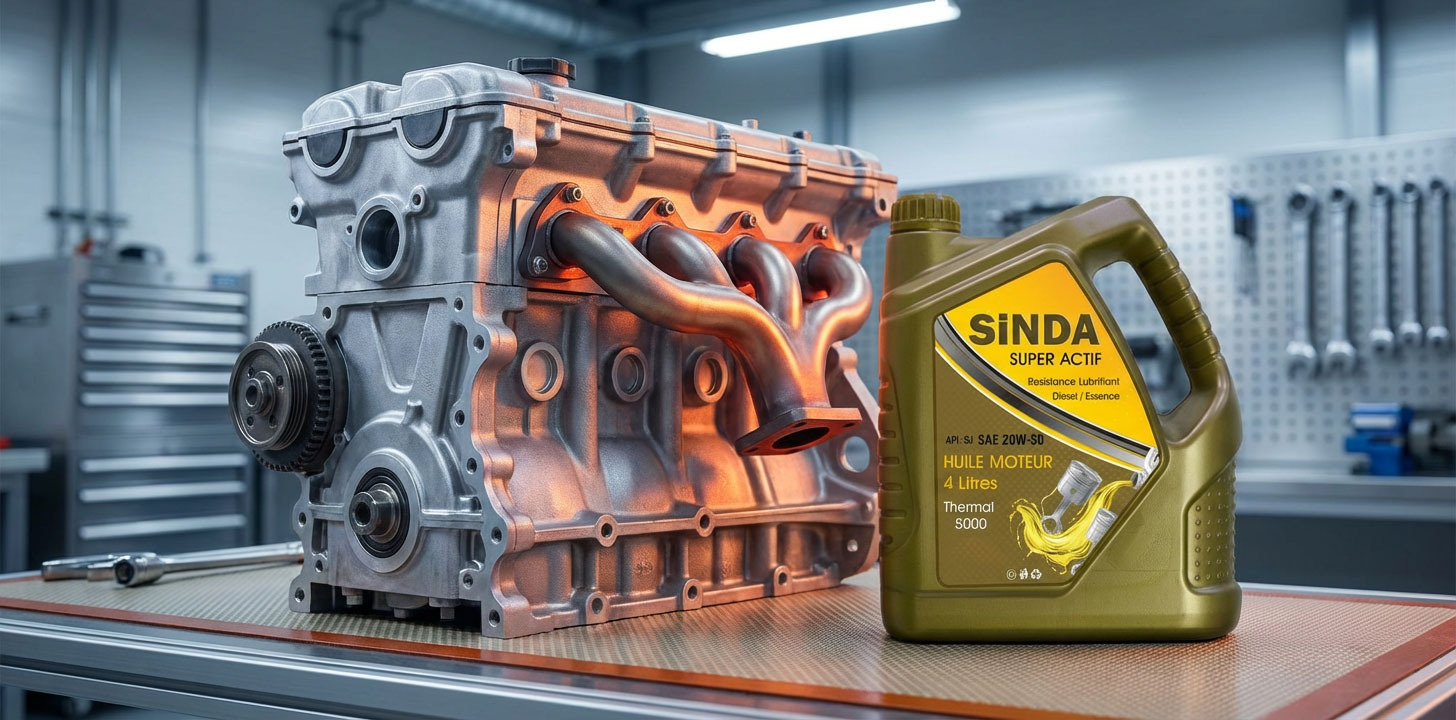
Common Hot-Climate Driving Patterns (Traffic, Dust, Load) and What They Mean
In hot climate regions, operating conditions are rarely limited to high ambient temperature alone. Real-world driving patterns introduce additional stress factors that directly influence lubricant performance and service life.
Understanding these conditions helps explain why lubricant selection in hot regions requires more than simply choosing a higher viscosity grade.
Stop-and-Go Traffic and Extended Idling
Urban traffic congestion leads to frequent idling and low-speed operation, which reduces airflow for cooling while maintaining engine heat. Under these conditions:
- Oil temperatures remain elevated for extended periods
- Oxidation rates increase
- Deposit formation becomes more likely
Lubricants used in these environments benefit from strong oxidation resistance and effective detergency to maintain cleanliness and viscosity stability.
Dusty and Contaminated Environments
In regions where dust and airborne contaminants are common, engines are exposed to higher levels of particulate ingress, even with effective filtration systems. This can lead to:
- Increased contaminant load in the lubricant
- Faster depletion of additive performance
- Higher risk of abrasive wear
Lubricants formulated with robust dispersant systems help keep contaminants suspended, reducing sludge formation and wear under dusty conditions.
Heavy Loads and Commercial Operation
Commercial vehicles, fleets, and heavy-duty applications often operate under higher loads and longer duty cycles. In hot climates, this combination places additional stress on the lubricant’s film strength and thermal stability.
Under these conditions, lubricants must:
- Maintain protective film thickness under load
- Resist viscosity breakdown at high operating temperatures
- Support consistent protection over extended operating hours
Combined Impact on Lubricant Selection
When heat, traffic patterns, contamination, and load are considered together, lubricant performance requirements become more demanding. Selecting a lubricant solely based on climate without accounting for real operating conditions can result in premature degradation and reduced protection.
A practical selection approach considers how the vehicle is used, not just where it is used, ensuring the lubricant can deliver stable performance throughout its intended service interval.
A Practical Selection Checklist (Choose the Right Automotive Lubricant in 5 Steps)
Selecting the right automotive lubricant for hot climate regions becomes significantly easier when the decision is broken down into a structured process. The following checklist helps reduce guesswork and ensures alignment with both technical requirements and real operating conditions.
Step 1: Confirm Manufacturer Recommendations
Always start with the vehicle or engine manufacturer’s recommended viscosity grade and performance standard. These specifications are defined based on engine design, materials, and operating parameters.
Using a lubricant outside the recommended range—regardless of climate—can lead to suboptimal performance or long-term reliability issues.
Step 2: Identify the Operating Environment
Consider how and where the vehicle operates:
- Predominantly urban traffic with frequent idling
- Long-distance highway driving
- Dusty or contaminated environments
- Continuous or heavy-load operation
In hot regions, these factors often have a greater impact on lubricant stress than ambient temperature alone.
Step 3: Match the Viscosity Grade to Heat and Load
Select a viscosity grade that can maintain a stable lubricating film under sustained operating temperatures and mechanical load, while still allowing proper oil flow according to engine design.
Higher temperatures do not automatically require higher viscosity. Modern engines may rely on lower-viscosity oils with advanced formulations to balance protection, efficiency, and emissions compliance.
Step 4: Verify Performance Standards (API / ACEA)
Ensure the lubricant meets the appropriate API or ACEA performance category specified for the engine. These standards address critical factors such as oxidation resistance, wear protection, and deposit control—particularly important in hot climates.
Using the correct performance level helps ensure the lubricant can maintain stability throughout its intended service interval.
Step 5: Consider Service Interval and Monitoring
In hot climate operation, service intervals may require closer monitoring, especially for vehicles exposed to heavy loads, traffic congestion, or contamination.
Access to technical documentation—such as datasheets and MSDS—supports proper maintenance planning and helps verify that the selected lubricant is suitable for the intended application.
Why a Structured Selection Matters
A systematic approach reduces the risk of over- or under-specifying lubricants. Rather than relying on assumptions about climate alone, this checklist ensures decisions are based on engine requirements, real operating conditions, and verified performance standards.
Maintenance Guidance for Hot Climate Regions
Operating in hot climate regions places additional importance on consistent maintenance practices. Even when the correct lubricant is selected, monitoring and service discipline play a key role in preserving engine protection and performance.
In high-temperature environments:
- Lubricant degradation can accelerate due to sustained heat
- Additive performance may decline faster under severe operating conditions
- Contamination levels can increase in traffic-heavy or dusty environments
Regular oil analysis, adherence to manufacturer-recommended service intervals, and attention to operating patterns help ensure the lubricant continues to perform as intended. Fleets and commercial operators may benefit from adjusted monitoring schedules based on duty cycles rather than fixed mileage alone.
Access to clear technical documentation—including datasheets and safety information—supports informed maintenance decisions and helps verify ongoing suitability for the application.
Datasheets, MSDS, and Commercial Supply Considerations
In addition to technical selection, professional users often require clear documentation and dependable availability when sourcing automotive lubricants for hot climate regions.
For applications involving fleets, distributors, or project-based procurement in the UAE, access to verified datasheets, MSDS documentation, and consistent supply capabilities is an important part of long-term operational planning.
For commercial supply support, technical documentation, and UAE distribution options, refer to our Automotive Lubricants Supplier in UAE page.
Conclusion
Choosing the right automotive lubricant for hot climate regions requires a balanced evaluation of viscosity grade, performance standards, and real-world operating conditions. Heat alone does not define lubricant requirements—engine design, load patterns, traffic conditions, and maintenance practices all influence long-term performance.
By following a structured selection approach and verifying both technical specifications and documentation, users can reduce risk, improve reliability, and support consistent operation in demanding environments. A well-matched lubricant is not just a consumable, but a critical contributor to engine durability and operational efficiency in hot regions.
In hot climate regions, informed lubricant selection is a preventive strategy—not a corrective one.