
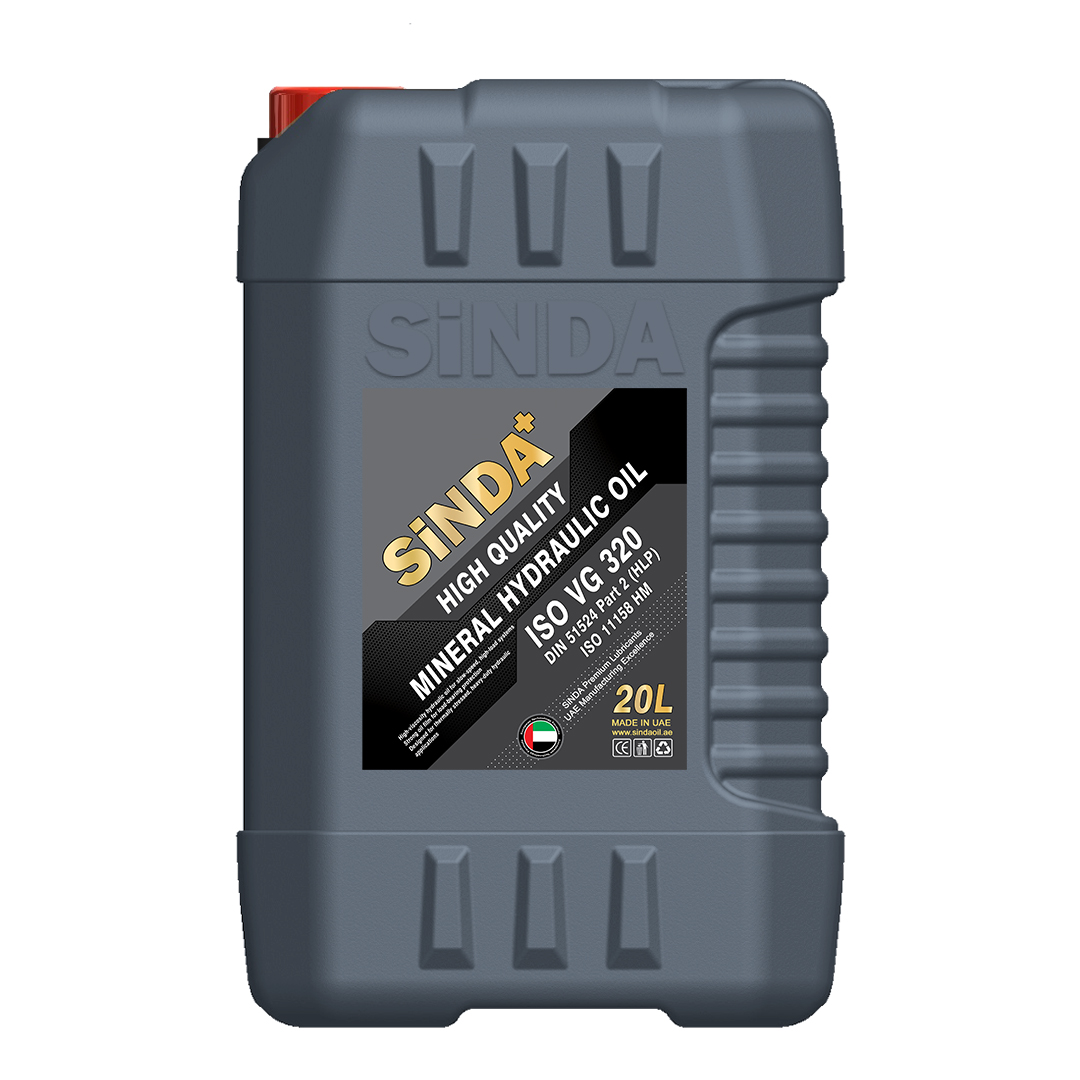
High-viscosity hydraulic oil engineered for slow-speed, high-load hydraulic and circulation systems where ISO VG 220 no longer provides adequate film strength or leakage control, and operational stability depends on sustained oil thickness under thermal stress.
Hydraulic Oil 320 is formulated for hydraulic and circulation systems operating under high mechanical load and reduced operating speed, where lower-viscosity fluids fail to maintain sufficient lubricating film thickness.
In these conditions, ISO VG 320 provides:
This viscosity grade is typically selected when leakage control, component protection, and operational stability outweigh the need for rapid oil flow or cold-start responsiveness. As a supplier-focused solution, SiNDA Hydraulic Oil 320 supports industrial buyers seeking consistent quality, traceable supply, and predictable field performance.
Hydraulic Oil 320 is suited for systems where operating conditions justify higher viscosity:
Application:
Slow-speed hydraulic systems (presses, lifts, actuators)
Operating challenge:
Reduced hydrodynamic film formation at low operating speeds, increasing boundary lubrication conditions.
Why ISO VG 320 works:
Higher viscosity maintains oil film thickness at low speeds, reducing metal-to-metal contact and wear risk.
Application:
High-load hydraulic pumps and heavily loaded components
Operating challenge:
Sustained mechanical stress and high contact pressures that exceed the load-carrying capacity of lower-viscosity oils.
Why ISO VG 320 works:
Thicker oil film distributes load more effectively across contact surfaces, helping reduce surface fatigue and component wear.
Application:
Thermally stressed circulation and lubrication systems
Operating challenge:
Viscosity loss and film thinning at elevated operating temperatures during extended duty cycles.
Why ISO VG 320 works:
Higher base viscosity provides greater viscosity reserve at temperature, supporting stable lubrication behavior over prolonged operation.
Application:
Leakage-sensitive hydraulic systems with large internal clearances or worn components.
Operating challenge:
Excessive internal leakage leading to pressure instability and reduced system efficiency.
Why ISO VG 320 works:
Increased viscosity improves internal sealing, helping maintain pressure stability and more consistent hydraulic response.
Hydraulic Oil 320 is classified under ISO VG 320, indicating a kinematic viscosity of approximately 320 cSt at 40 °C. This places it among high-viscosity hydraulic oils used when film strength and sealing are prioritized.
Final performance limits and approvals depend on formulation configuration and are available upon technical request.
Example: In a slow-moving press operating continuously under load, ISO VG 320 reduces surface stress compared to ISO 220, lowering the risk of scuffing and premature component wear.
Using ISO VG 320 outside these conditions may accelerate energy loss, raise system temperatures, and reduce overall hydraulic efficiency.
Risk awareness: Selecting ISO 320 in a high-speed system may increase energy consumption, elevate operating temperatures, and reduce efficiency.
Choosing the correct viscosity grade is a balance of load, speed, and temperature:
Correct viscosity selection example:
A heavy industrial lift operating slowly under continuous load → ISO 320 supports stable pressure and wear protection.
Incorrect choice example:
A fast-acting hydraulic system in a cold environment → ISO 320 may cause sluggish response and energy loss.
Compliance & Standards
Hydraulic Oil 320 aligns with internationally recognized ISO viscosity classification systems and is formulated to support compliance with common industrial hydraulic oil standards. Specific DIN, ISO, or OEM references are provided in the technical documentation.
Choose ISO 320 when load levels are high and operating speed is low. ISO 220 is better for faster systems.
Excessive viscosity can increase power consumption, heat generation, and slow system response.
Yes. Higher viscosity improves sealing in worn or large-clearance components.
Only if cold-start performance is not critical. Lower viscosities are generally preferred in low temperatures.
SiNDA Hydraulic Oil 320 is intended for hydraulic applications where load intensity, leakage control, and pressure stability take priority over responsiveness or cold-start performance. Correct selection ensures stable operation and extended component life; incorrect viscosity choice may compromise efficiency and system reliability.
For direct and secure purchases with guaranteed quality, contact our experts now and benefit from free consultation.