Hydraulic oils — Product Routes
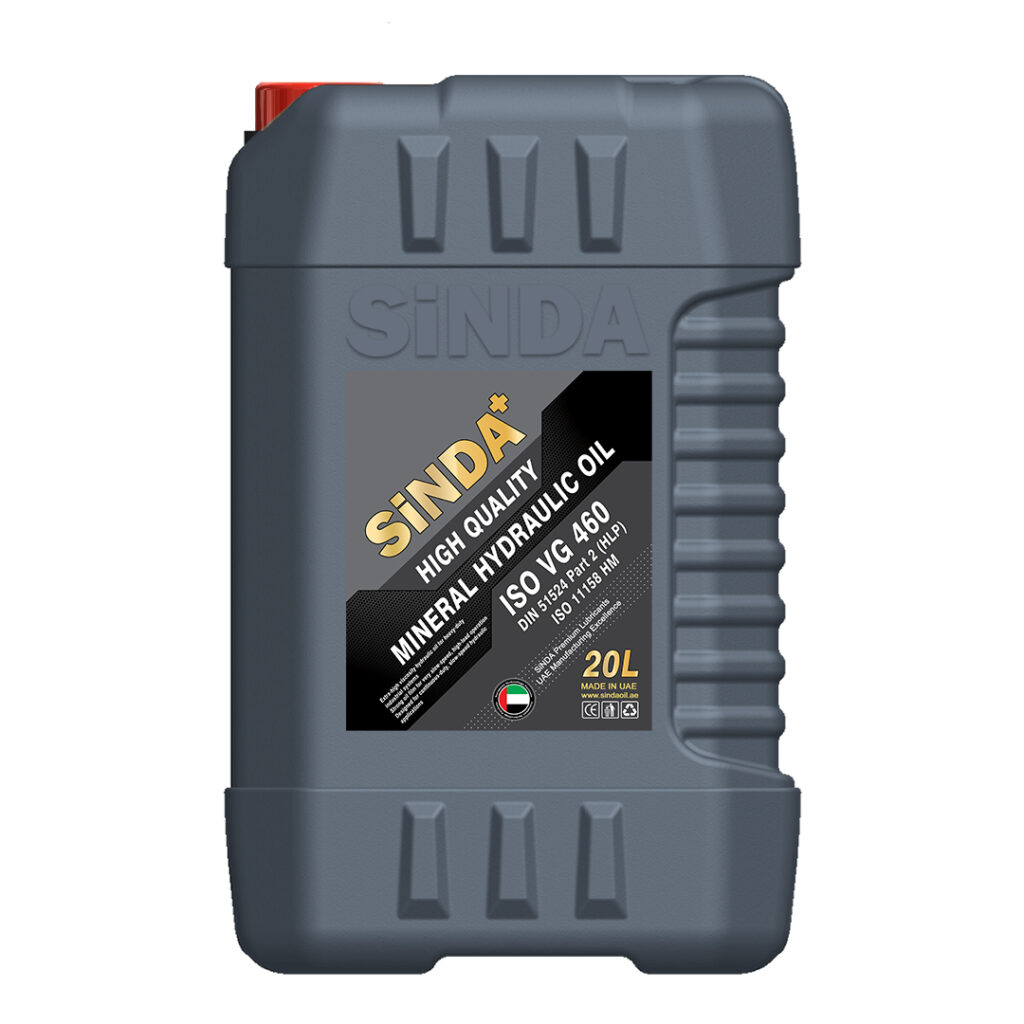
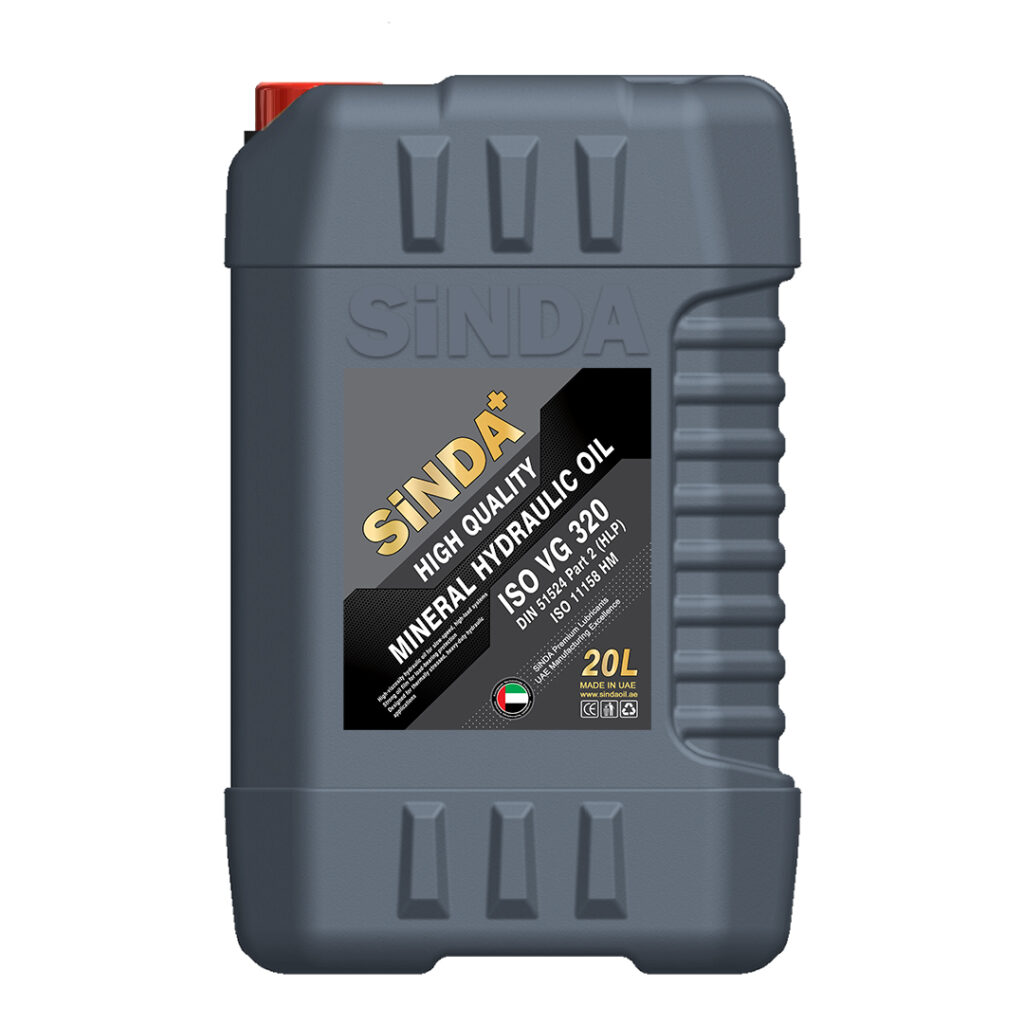
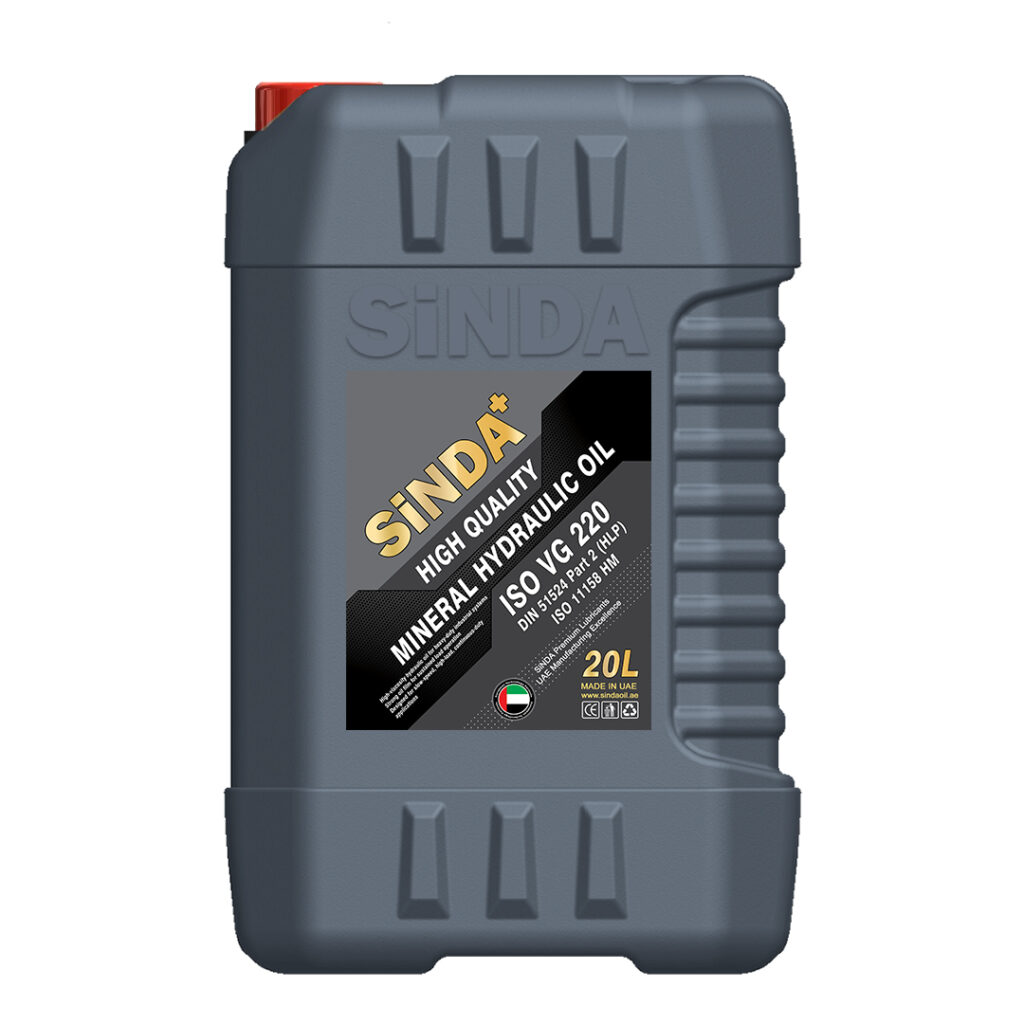
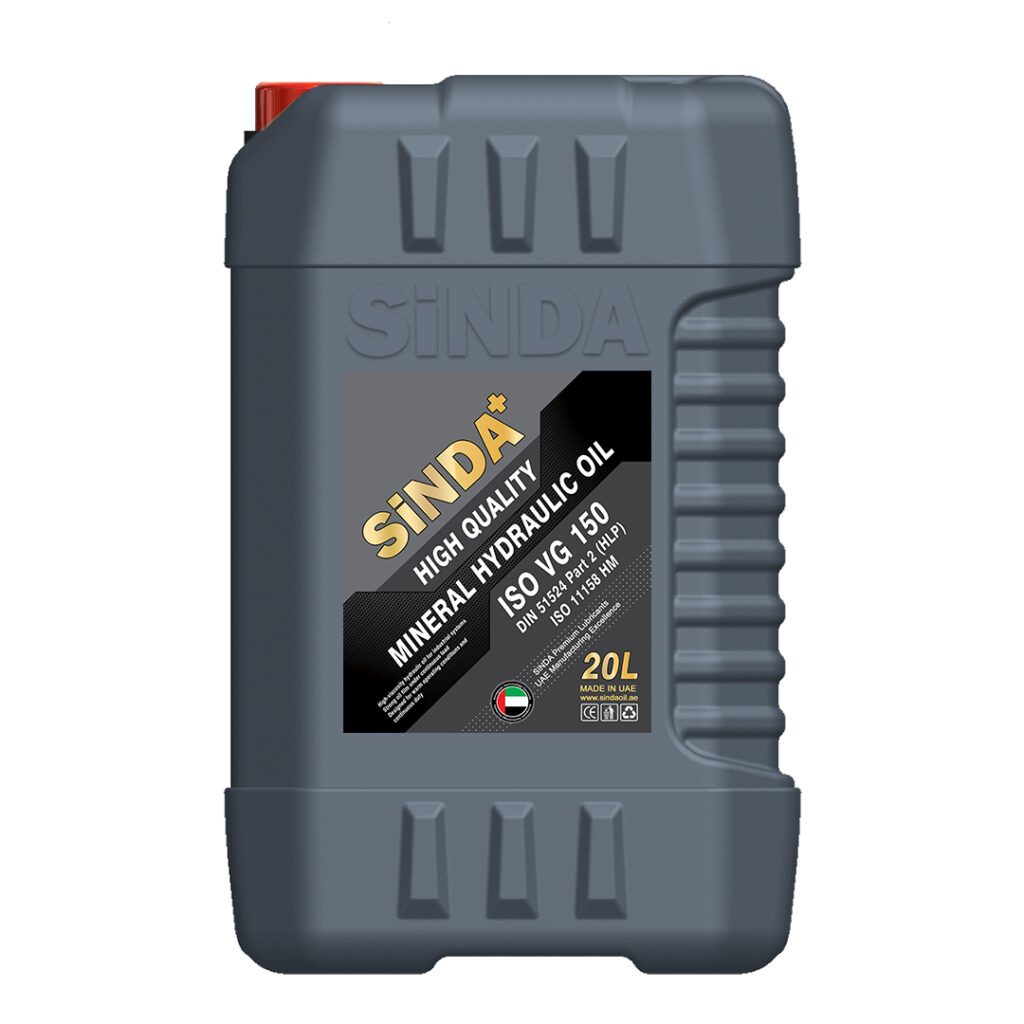
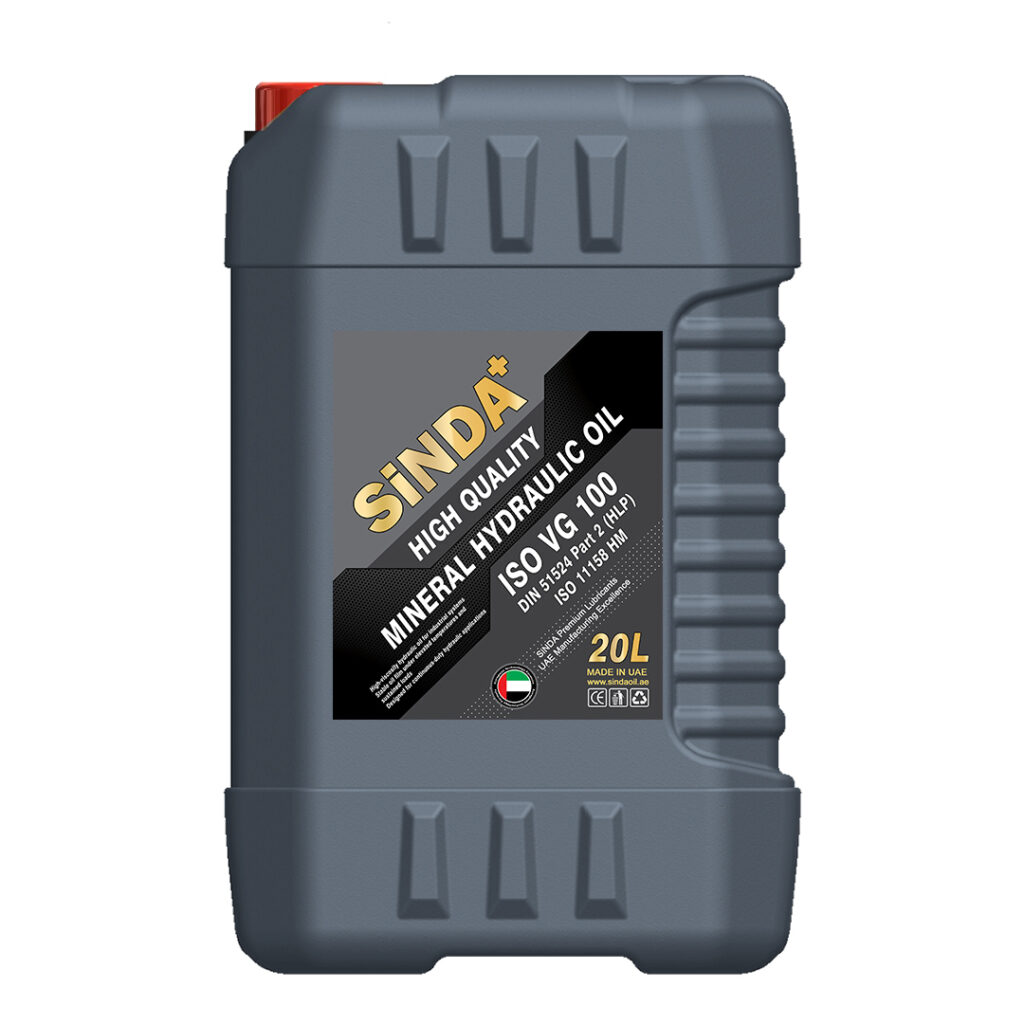
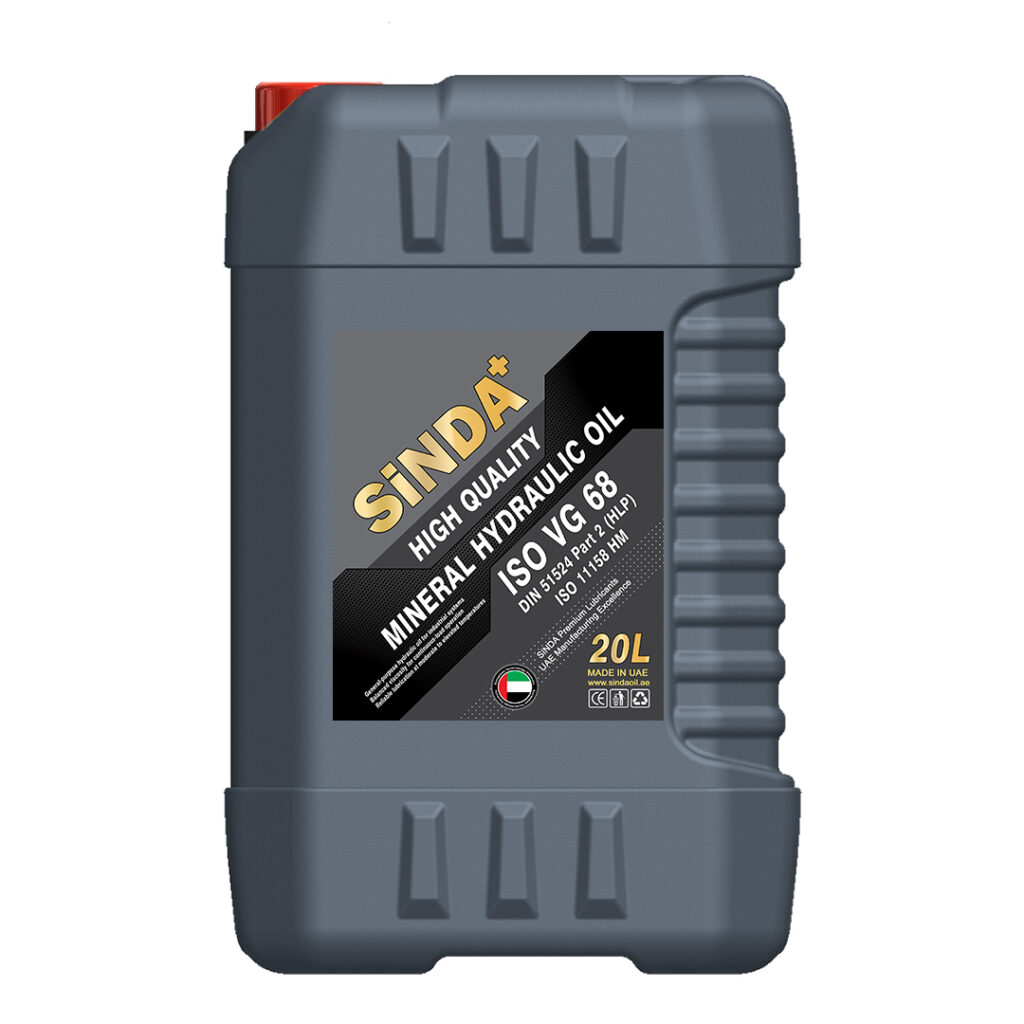
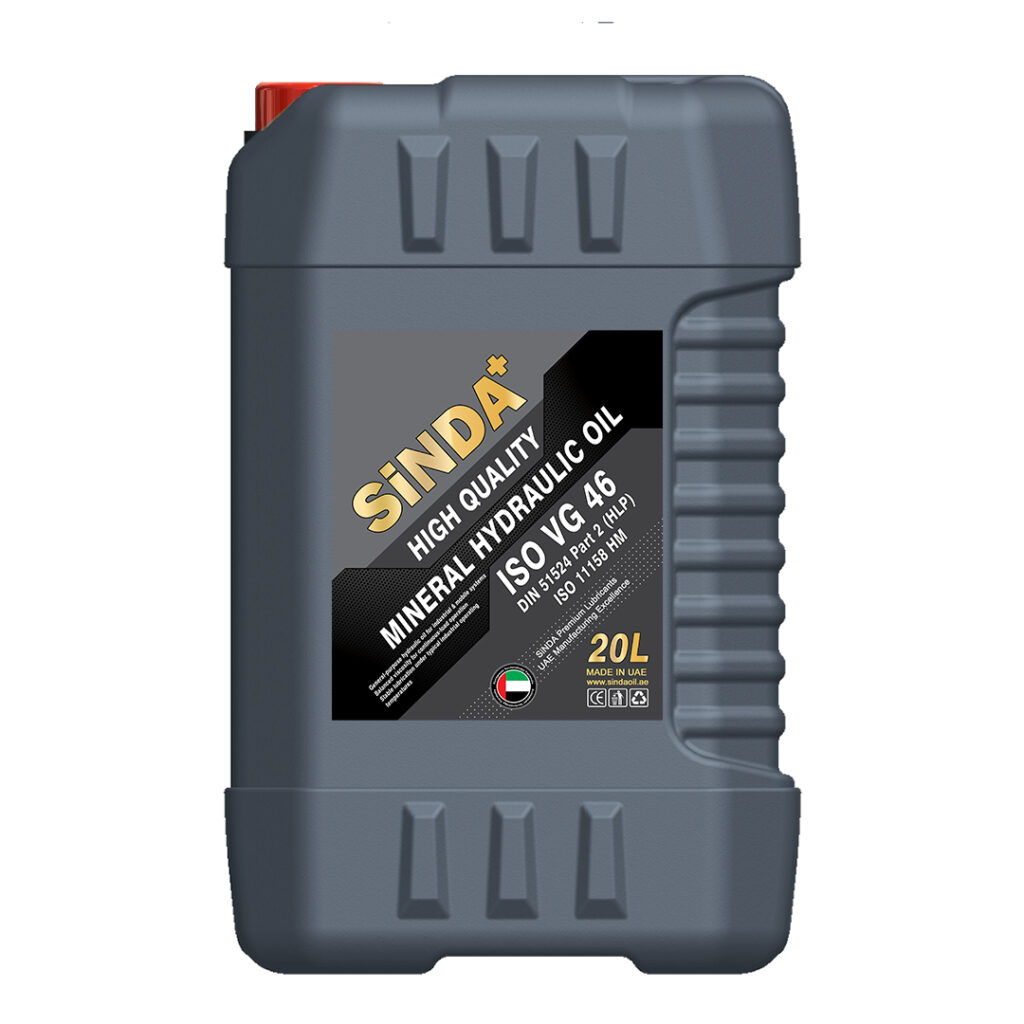
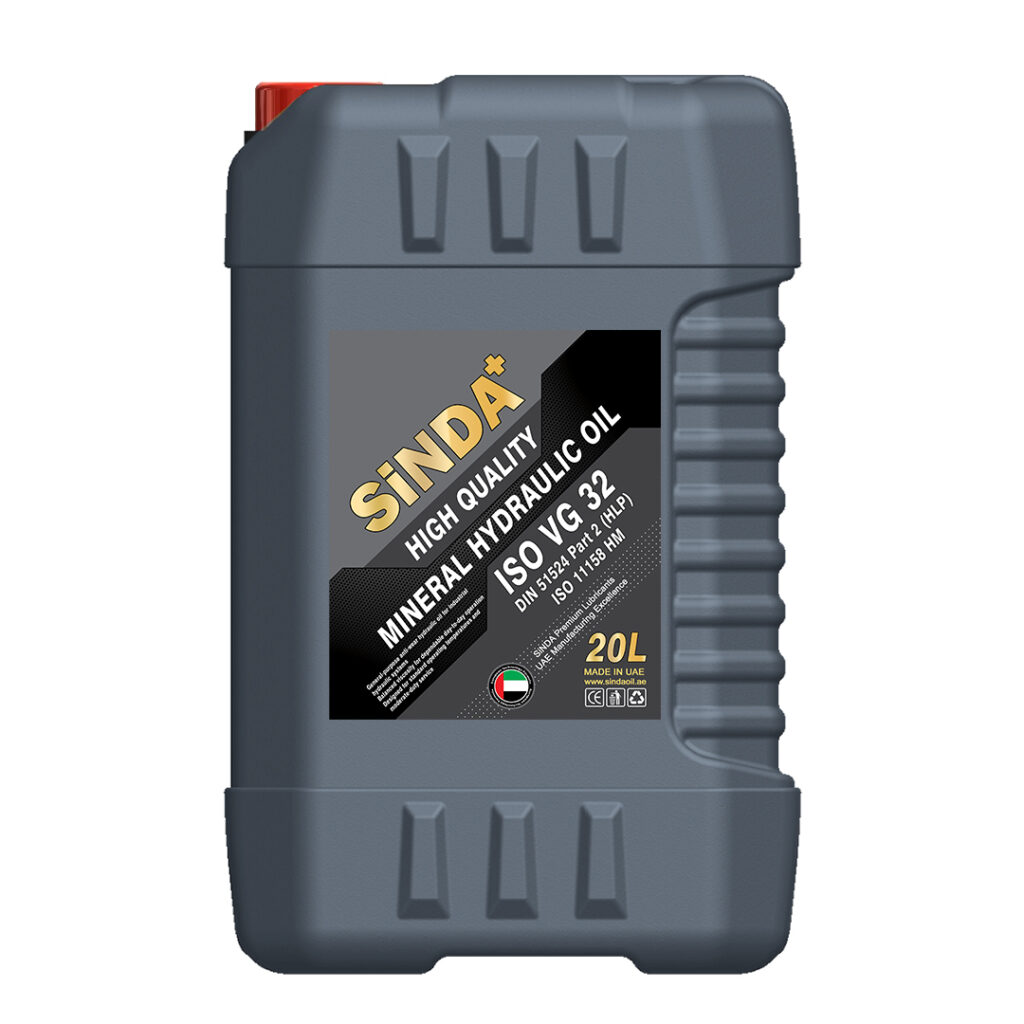
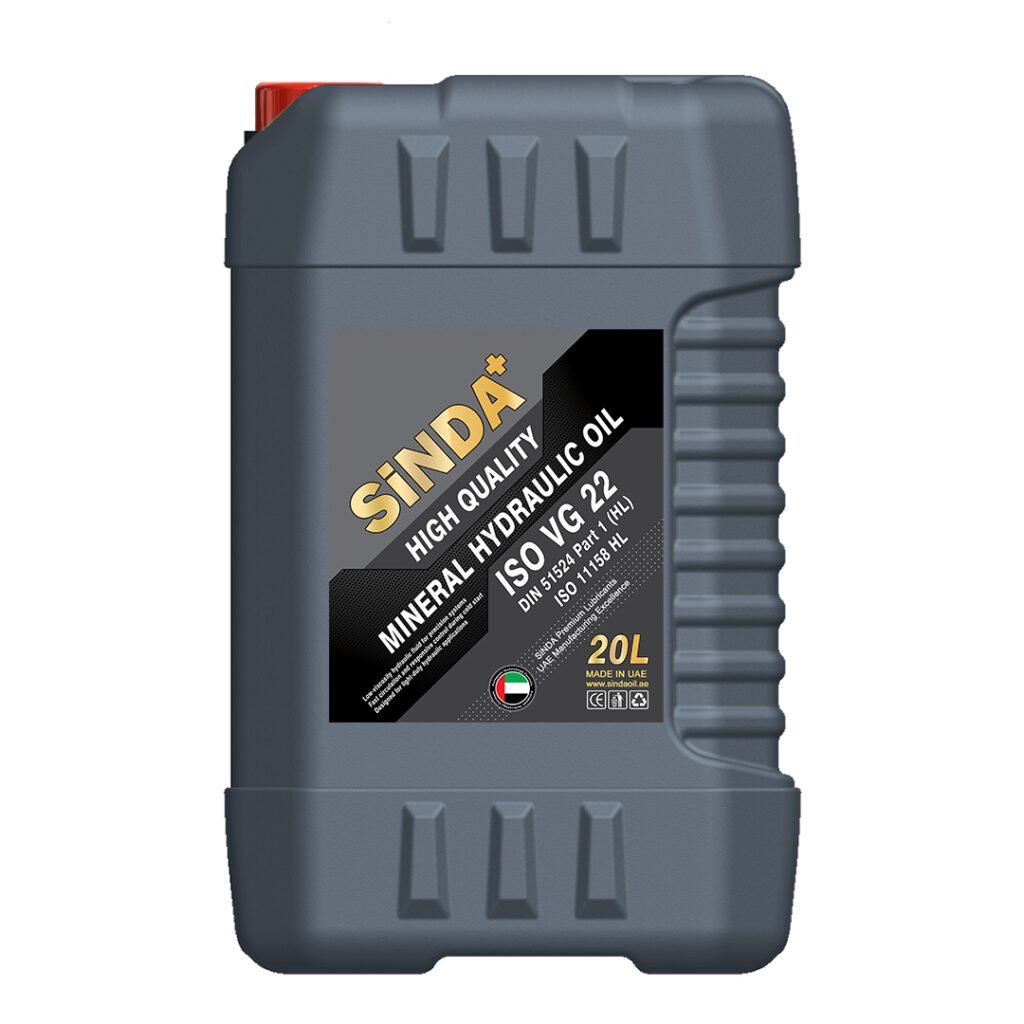
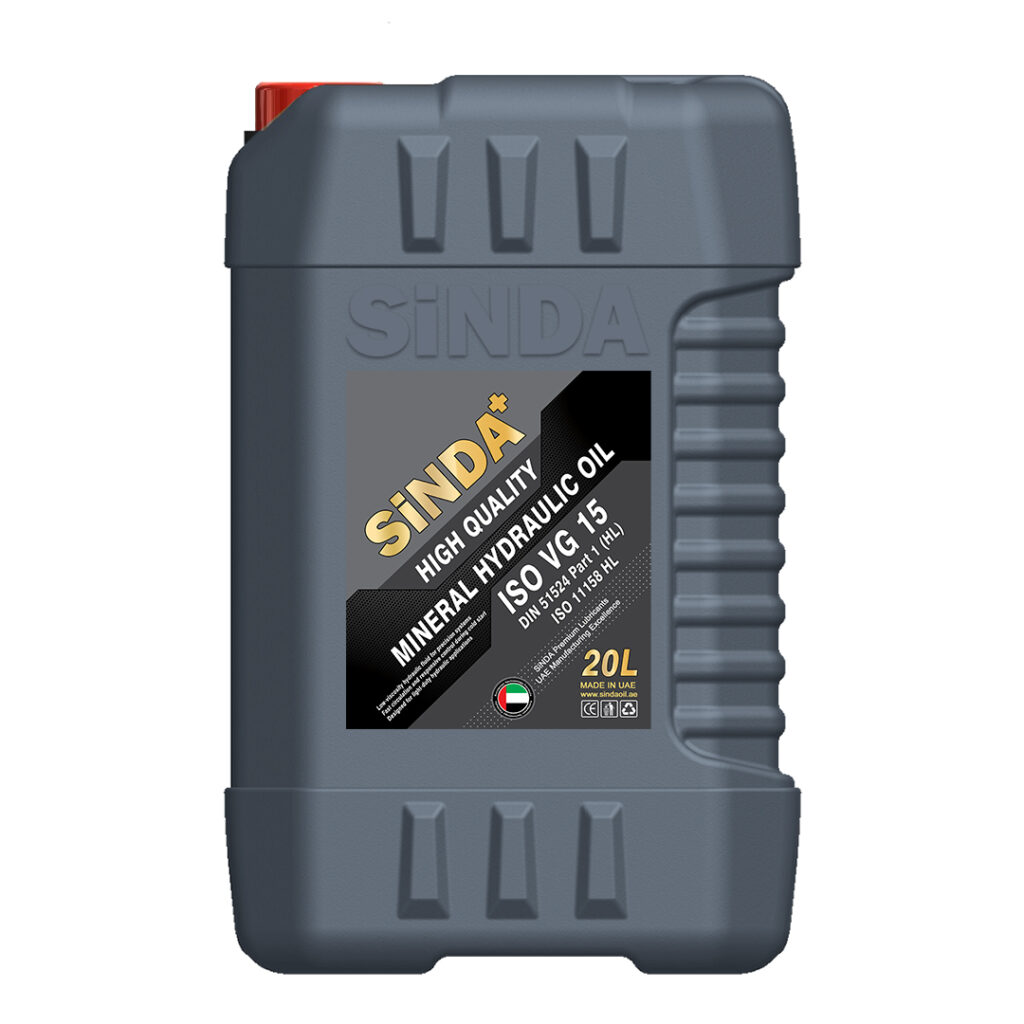
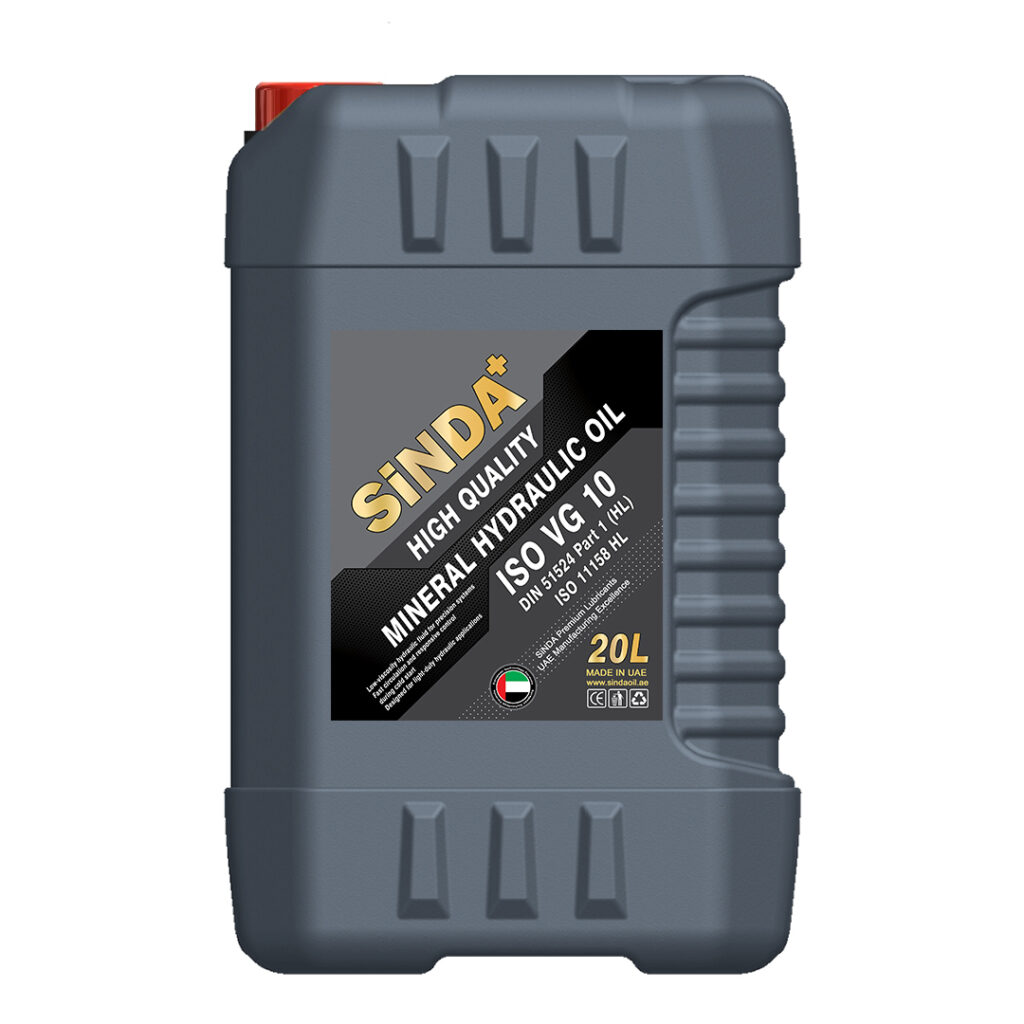
We supply hydraulic oils for industrial and equipment-maintenance enquiries in Dubai, the UAE and international markets. This collection provides listed ISO VG routes from 10 to 460, helping buyers navigate to a grade after establishing the system's actual requirement.
Common enquiry routes include Hydraulic Oil ISO VG 32, ISO VG 46 and ISO VG 68. Other listed grades support different specified applications; their presence in the catalogue is not a recommendation to use them in every hydraulic system.
Our industrial lubricants range covers other machinery duties. A food-processing system with an incidental-contact requirement should also follow the food-grade lubricants route.
Applications and Performance Requirements
Hydraulic fluid transmits power while contributing lubrication, cooling and component protection. Pump design, valve clearances, filtration and operating temperature influence the required fluid performance.
Viscosity that is too high can restrict cold circulation and increase losses. Viscosity that becomes too low at operating temperature can reduce the lubricating film and affect leakage behaviour. Select within the equipment manufacturer's operating-viscosity guidance rather than from an ambient-temperature rule alone.
Anti-wear performance, oxidation resistance, water handling, air release and filterability should be reviewed where relevant. An anti-wear designation and an ISO viscosity grade describe different aspects of the fluid.
Selection Guidance
| System condition |
Selection input |
What to verify |
| Specified pump or power unit |
OEM lubricant requirement |
Fluid type, viscosity and performance category |
| Wide temperature variation |
Start-up and normal operating temperatures |
Viscosity-temperature behaviour in the permitted window |
| Precision valves and filtration |
Cleanliness requirement and filter system |
Filtration practice and formulation compatibility |
| Moisture exposure |
Contamination conditions |
Required water-separation or water-tolerance behaviour |
| Existing fluid conversion |
Current chemistry and seal materials |
Changeover and compatibility procedure |
For UAE equipment, provide measured reservoir temperature where available. Outdoor ambient temperature and actual fluid temperature are not interchangeable data points.
Fluid Types and Compatibility
Confirm whether the system requires a conventional mineral hydraulic oil, a higher-viscosity-index product, a fire-resistant fluid or another specialised chemistry. These are different technical routes and should not be inferred from viscosity alone.
HLP/HM, HVLP/HV or other classifications describe performance requirements beyond the ISO number. Check the exact product documentation when one of these categories forms part of the order.
Temperature-window example
A power unit operates normally after warming up but has poor cold-start circulation. Record both starting and operating temperatures before changing viscosity. The solution should remain within the pump’s permitted viscosity window across the duty, rather than improving one condition while compromising the other.
When Not to Substitute
Do not replace a specified fire-resistant or biodegradable fluid with a conventional oil just because the viscosity appears similar. Material compatibility, safety requirements and equipment acceptance must be assessed independently.
Do not use a viscosity increase to bypass overheating, pump wear, contamination or filtration faults. The oil selection and the system-condition assessment should support each other.
Technical Documents and Supply
Request the proposed product's TDS and SDS. Compare viscosity data, relevant performance classification and required approval evidence for the exact formulation. Typical values from another grade should not be carried into a purchase specification.
Send the pump or power-unit model, required grade, current oil, operating temperatures, filtration details, quantity and delivery location. Include whether the request is for an initial fill, routine replenishment or a planned conversion. We confirm the product route and quotation-dependent supply terms from that brief.
Frequently Asked Questions
Can ISO VG 46 automatically replace ISO VG 32?
No. Verify the equipment's permitted operating-viscosity range and lubricant specification.
Does every hydraulic oil suit fire-risk applications?
No. A fire-resistant requirement needs a specifically documented fluid and system compatibility check.
Request a Technical Quotation
Discuss the equipment, required grade, operating duty and order quantity with SiNDA to identify the relevant product route and request a Dubai, UAE or international supply quotation. Contact us on WhatsApp: +971 56 154 4177.