
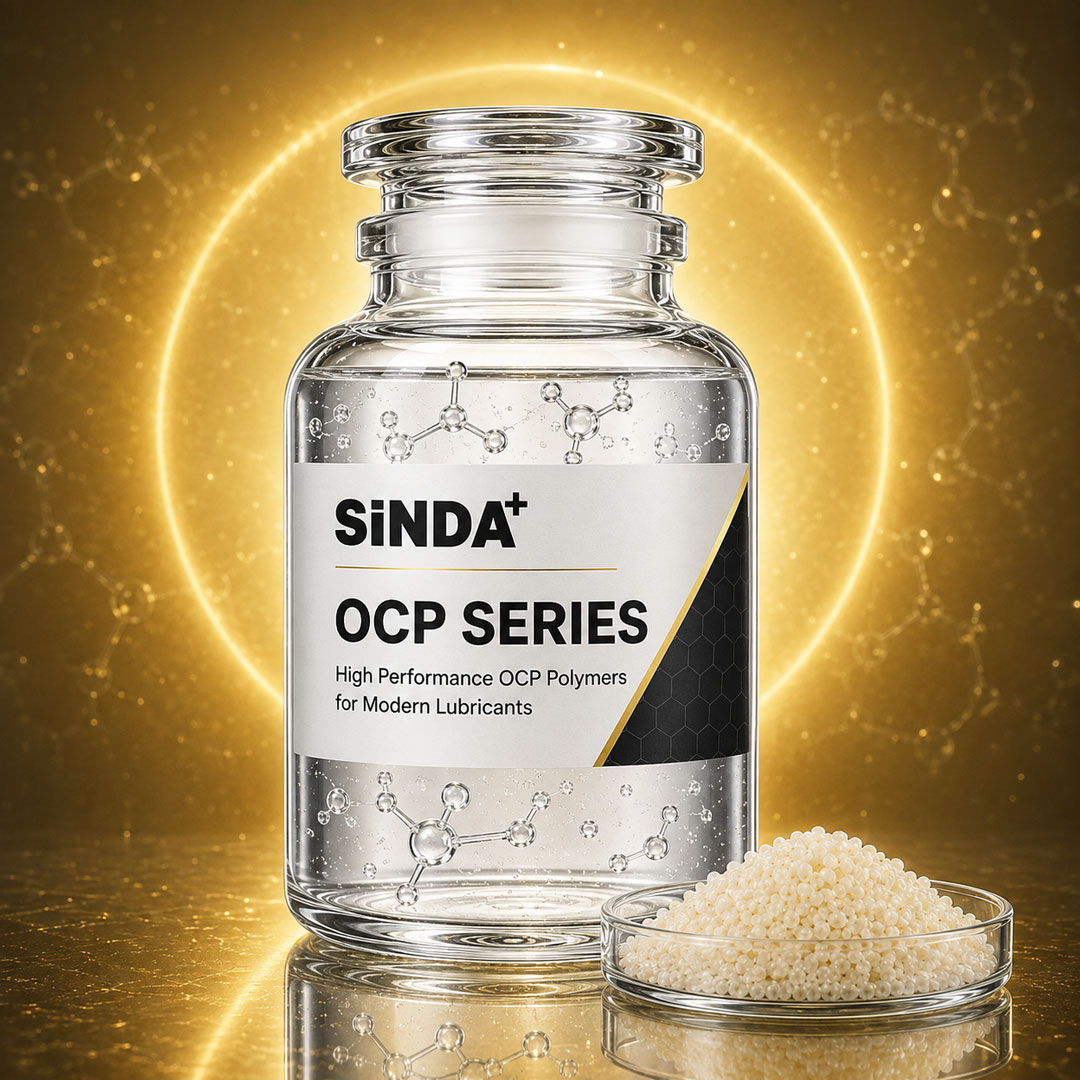
SiNDA® OCP Series
SiNDA OCP viscosity improvers give lubricant formulators a branded route to compare active OCP grades without treating a model number as a performance claim. The SiNDA OCP Series is organised for blenders, polymer processors and technical procurement teams in the UAE and export markets that need to evaluate declared chemistry, supplied form, thickening response, shear data, dissolution requirements and base-oil compatibility. Use the product grid to review active models, then request the current TDS, SDS, processing guide, sample and quotation for the grades that match your formulation target.
- Open this page on mobile
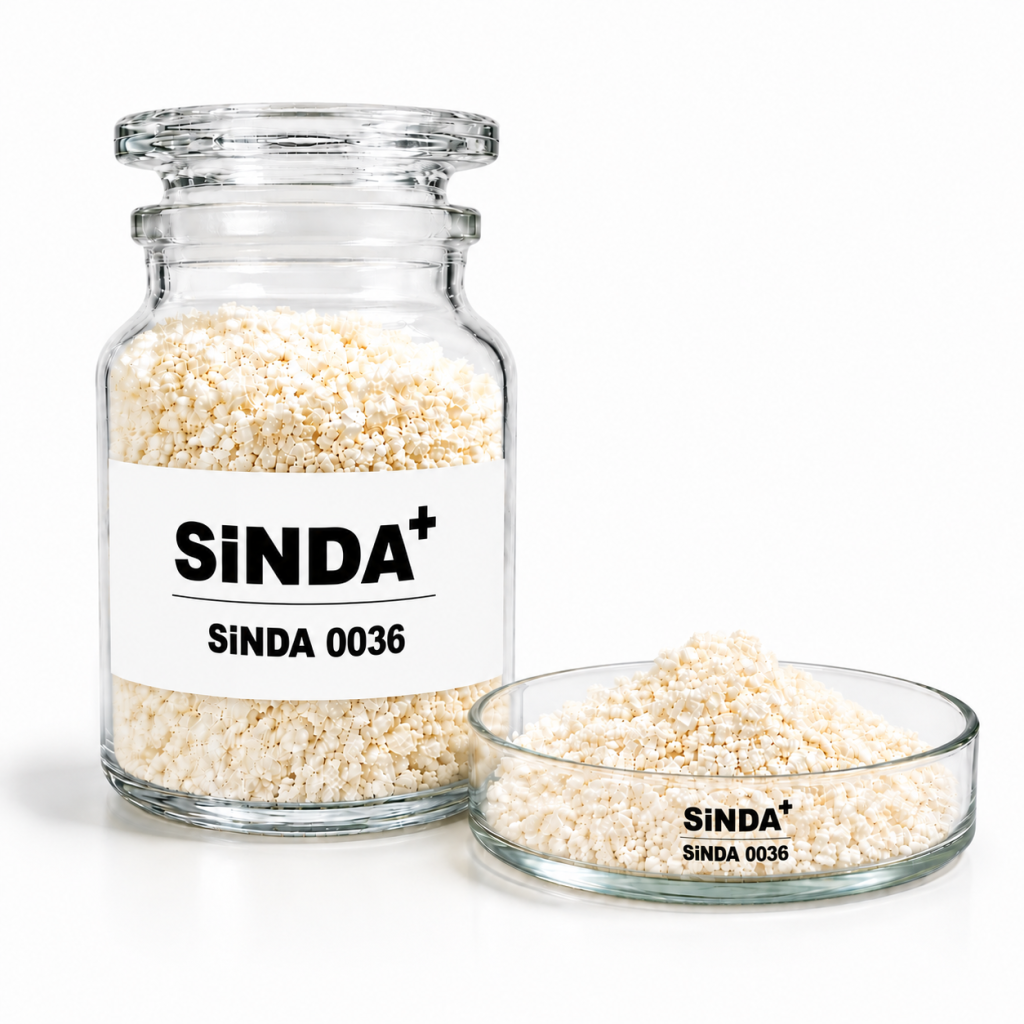
Product Overview Developing modern multigrade lubricants requires viscosity modifier technology…
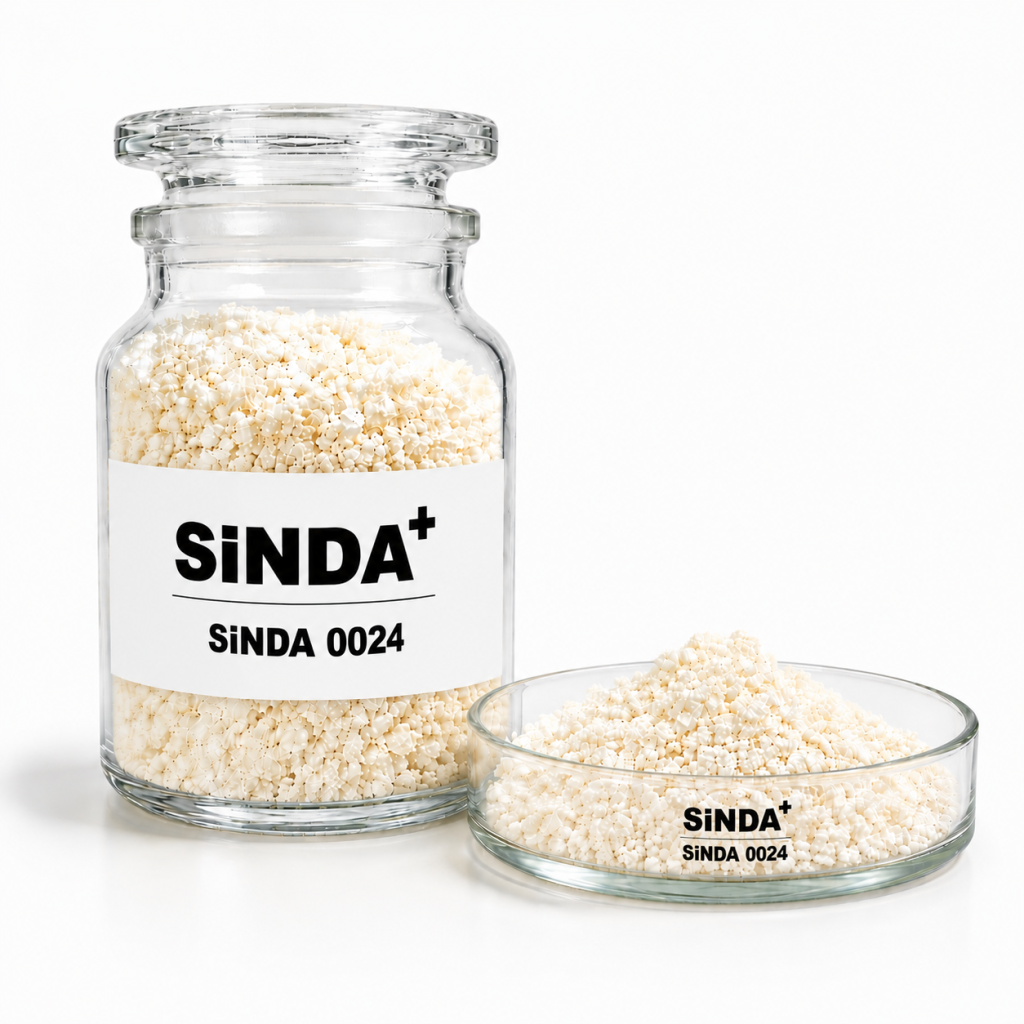
Product Overview Modern lubricant formulations require polymer technologies capable of…
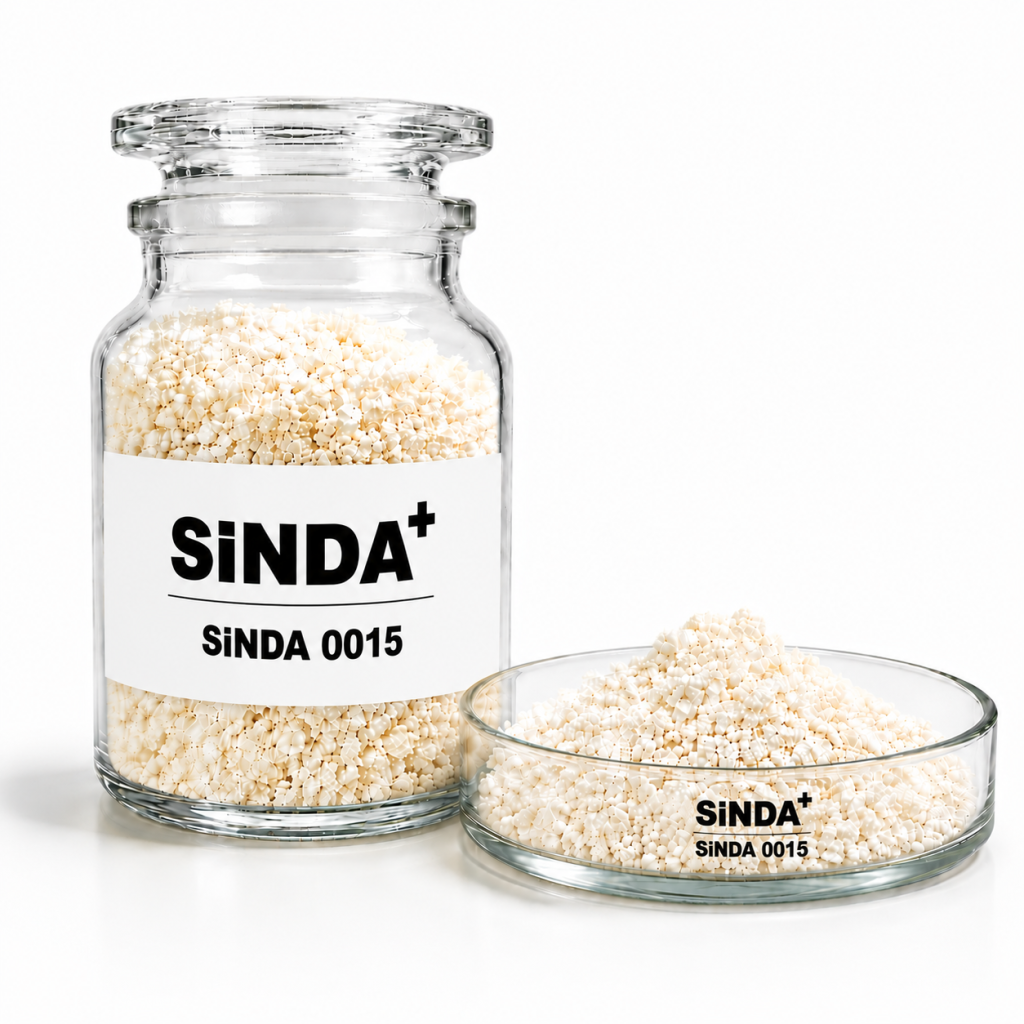
Product Overview Lubricant manufacturers require advanced polymer technologies to achieve…
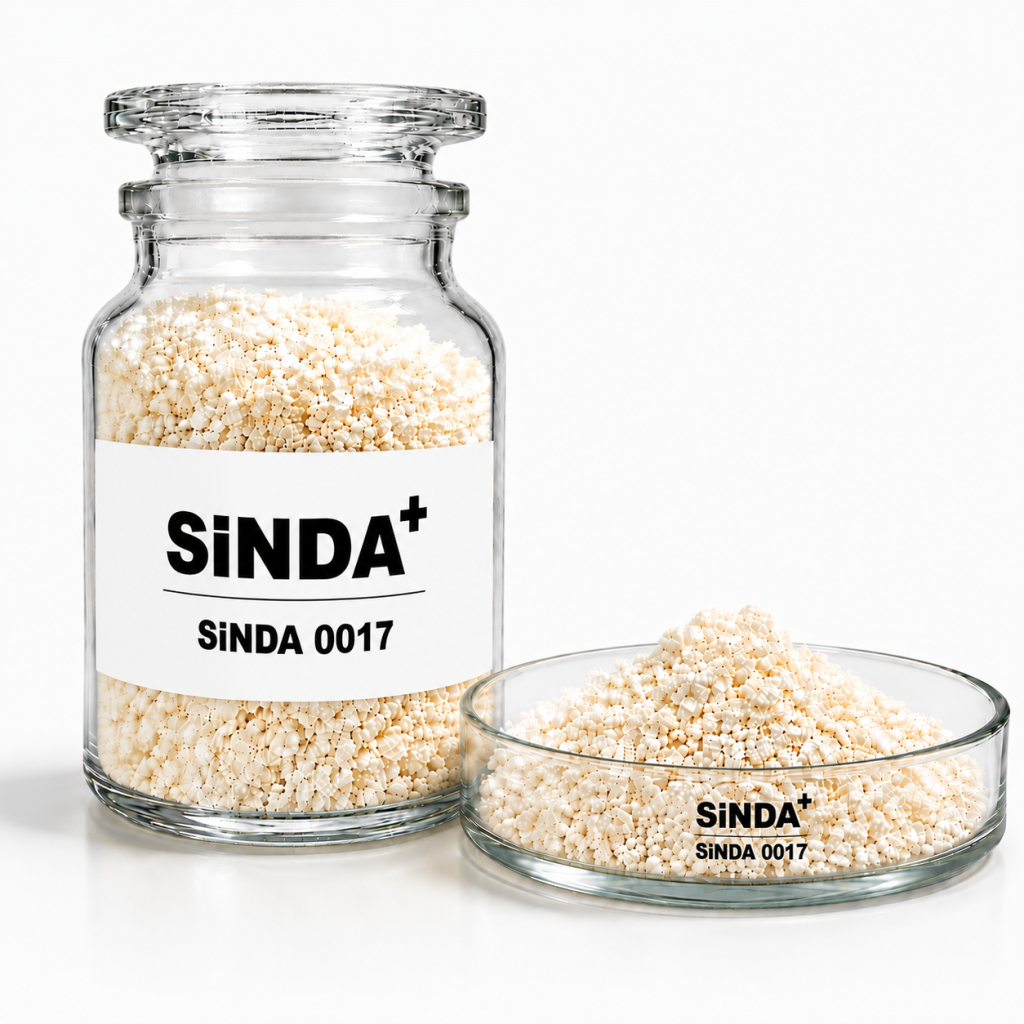
Product Overview Modern lubricant formulations face increasingly demanding operating conditions,…
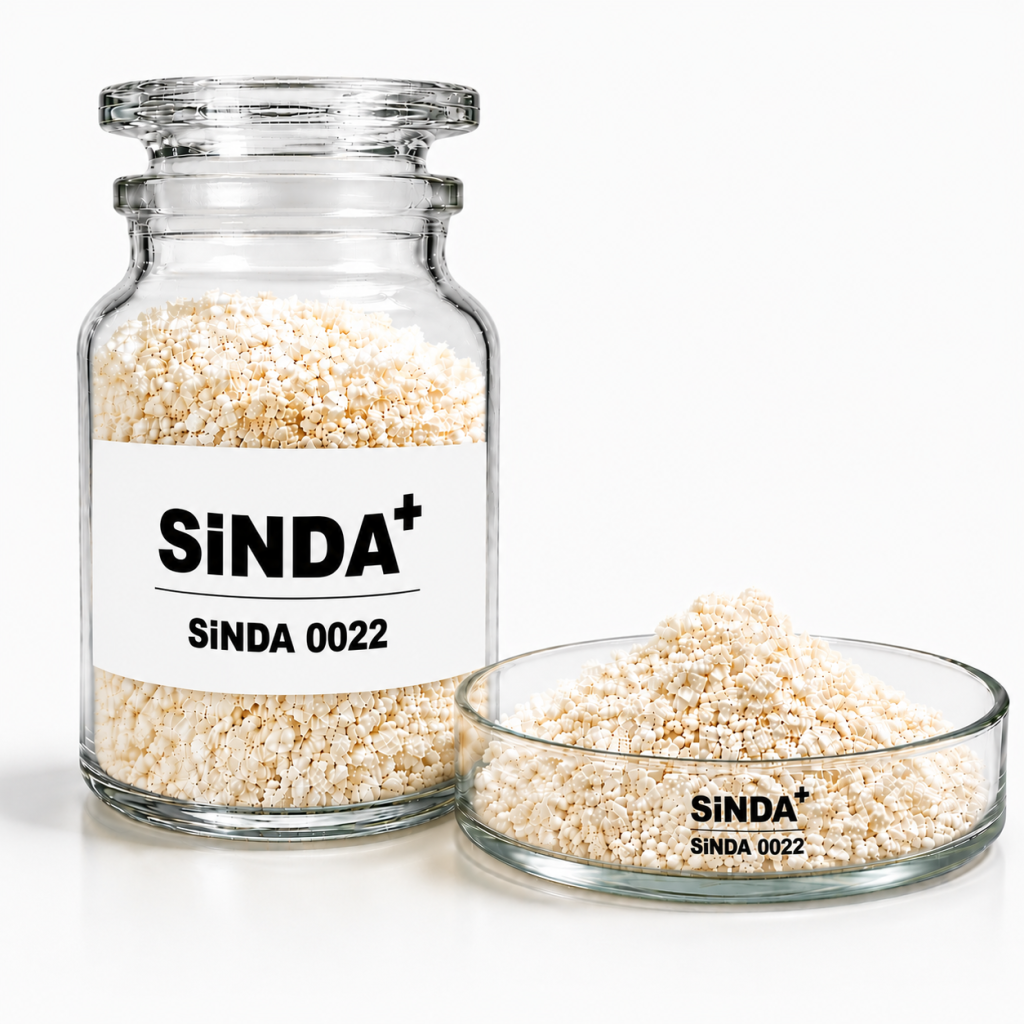
Product Overview Modern lubricant manufacturers require viscosity index improvers that…
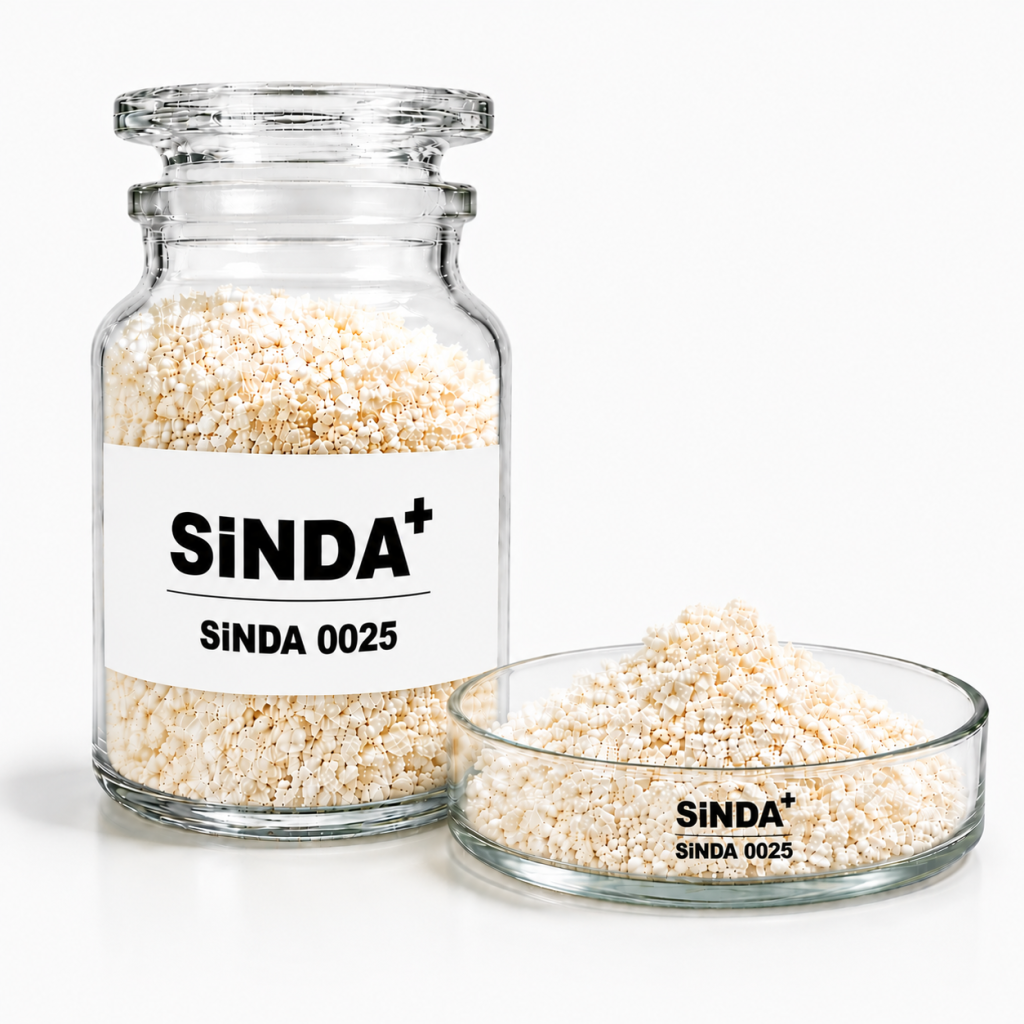
Product Overview Modern lubricant manufacturers require viscosity index improvers that…
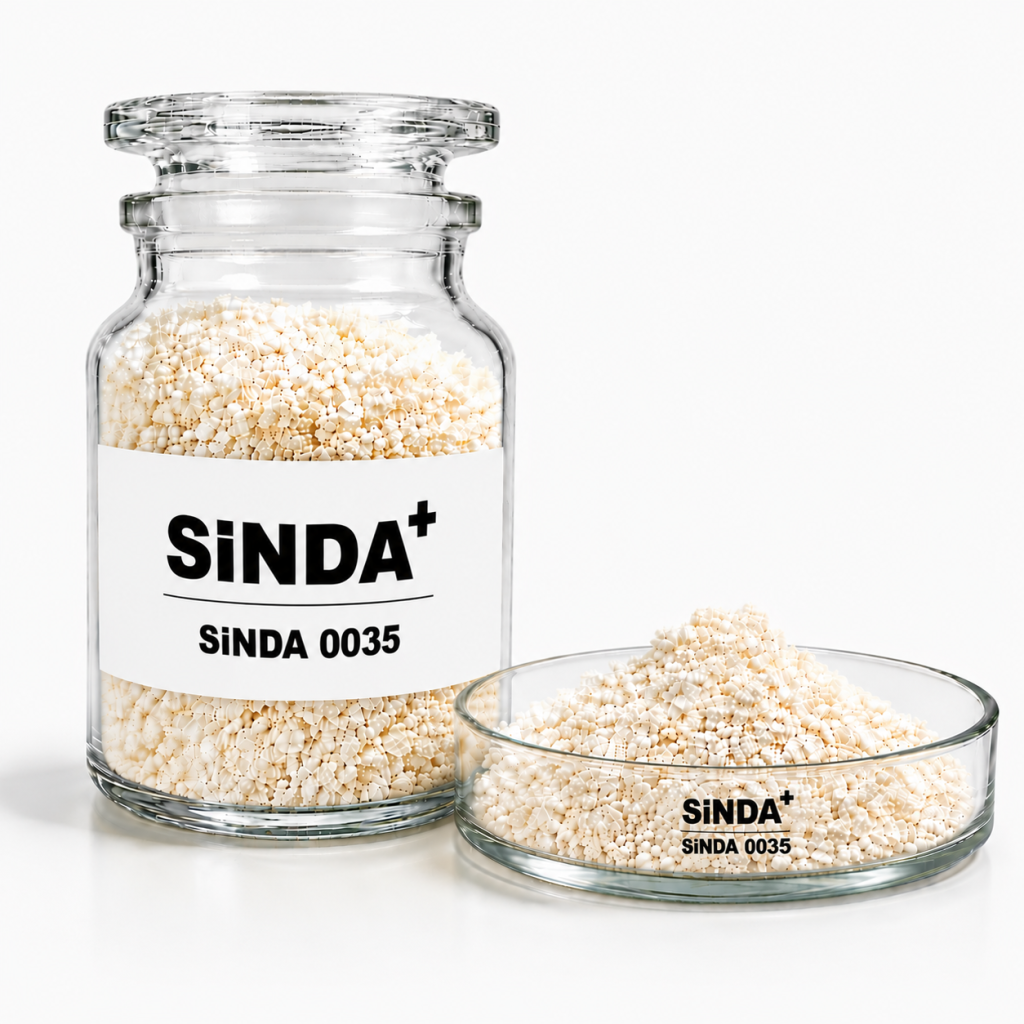
Product Overview Modern lubricant manufacturers require viscosity index improvers that…
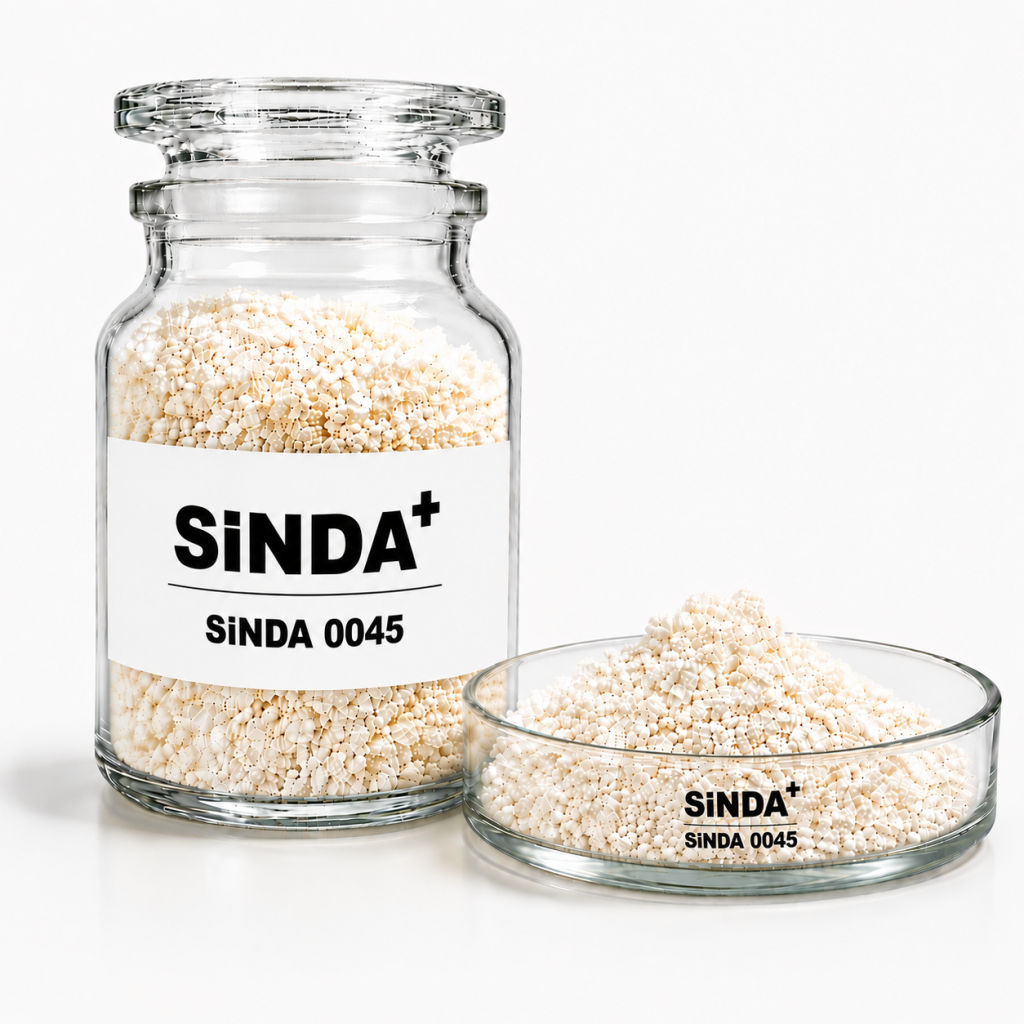
Product Overview Modern lubricant manufacturers require viscosity index improvers that…
SiNDA OCP Series overview
The SiNDA OCP Series is a collection of SiNDA-branded olefin copolymer viscosity modifiers for automotive and industrial lubricant development. It sits within our wider OCP Based Polymers portfolio, while this page is dedicated specifically to the SiNDA range and the decisions required before a grade is approved for blending.
The current range is organised around eight model routes: SiNDA 0015, 0017, 0022, 0024, 0025, 0035, 0036 and 0045. For buyers using different terminology, the SiNDA viscosity modifier series and SiNDA polymer VI improver range refer to this same branded collection. A model code is an identifier, not a substitute for technical evidence. Polymer identity, molecular architecture, physical form, SSI or PSSI, thickening data, packaging and application suitability must be confirmed from the current grade documentation and evaluated in the intended formulation.
Available grades: how to compare SiNDA OCP viscosity improvers
The product grid provides the canonical route to each active model. Use it to open the relevant grade page, then build a structured grade comparison with one common evaluation sheet. Comparing every candidate under the same base-oil system, polymer concentration, viscosity targets and shear method gives a more useful result than comparing isolated headline values.
| Grade route | Canonical product page |
| SiNDA 0015 | View grade |
| SiNDA 0017 | View grade |
| SiNDA 0022 | View grade |
| SiNDA 0024 | View grade |
| SiNDA 0025 | View grade |
| SiNDA 0035 | View grade |
| SiNDA 0036 | View grade |
| SiNDA 0045 | View grade |
Record the following fields for every shortlisted grade:
| Comparison field | What to record for each grade | Valid comparison rule | Evidence |
| Polymer chemistry | Declared OCP, EPM, EPDM or other architecture | Do not infer chemistry from the model code | TDS or manufacturer declaration |
| Product form | Bale, pellet, crumb, granule or concentrate | Compare handling and plant requirements by actual supplied form | TDS, SDS and processing guide |
| Thickening efficiency | Viscosity response at a stated concentration and base oil | Use the same blend conditions for every grade | TDS or controlled blend study |
| SSI / PSSI | Value, method, reference blend and concentration | Compare only equivalent methods and calculation bases | Test report or TDS |
| Target application | Finished-oil viscosity, shear and low-temperature objectives | Validate in the intended formulation | Formulated-oil test results |
| Grade route | Canonical product page and current document set | Use the active grade page for model-specific claims | Product page, TDS and SDS |
This two-stage approach protects the decision from a common error: assuming that a higher model number, a stronger thickening claim or an isolated SSI/PSSI value automatically represents the better grade. The correct choice is the grade that reaches the formulation target under comparable conditions and remains practical to process and supply.
Polymer chemistry and product form
OCP describes a polymer family rather than one fixed performance level. The exact composition and architecture of SiNDA OCP grades should be confirmed from supplier documentation, including whether a grade is declared as EPM, EPDM or another olefin-copolymer design. This distinction matters because polymer structure can affect oil solubility, viscosity response, resistance to permanent shear and processing behaviour.
Physical form is equally important for plant planning. Solid grades may arrive as bales, pellets, crumbs or granules, while other grades may be supplied as a concentrate. The form influences storage, weighing, addition sequence, mixing time, heat transfer and housekeeping. Confirm the supplied form, packaging and handling instructions before arranging a production trial.
Thickening efficiency and shear-stability considerations
Thickening efficiency should be compared under controlled conditions. The apparent response changes with the base-oil viscosity, base-stock composition, polymer concentration, temperature and target grade. A product that produces a strong viscosity increase in one reference oil may respond differently in another formulation, so use comparable blend studies rather than a universal ranking.
Shear stability must also be read in context. SSI and PSSI values depend on the test method, reference blend, concentration and calculation basis. Use the same method and formulation basis when comparing shortlisted grades, and review both pre-shear and post-shear viscosity where available. Our SSI and PSSI in viscosity improvers guide explains the test context in more detail without assigning one family-wide value to the SiNDA series.
The practical goal is not to maximise one isolated number. It is to achieve the required viscosity profile while controlling permanent viscosity loss, polymer dosage, processing effort and finished-lubricant performance.
Processing and dissolution guidance
Dissolution conditions are grade specific. Polymer particle size, base-oil solvency, batch volume, agitation, addition rate, heat-transfer capacity and supplier thermal limits can all change the process. For this reason, SiNDA does not apply one temperature or mixing time to every model in the series.
Before a trial, request the processing guide and SDS for the selected grade. Define the base oil, mixing equipment, batch size and safe operating limits, then run a controlled laboratory or pilot batch. Check for complete dissolution, haze, undissolved material, filtration behaviour and storage stability before scaling to commercial production. The OCP polymer dissolution guide provides a structured checklist for preparing the trial.
Target lubricant applications
The SiNDA OCP Series may be considered for multigrade engine oils, hydraulic fluids, industrial and automotive gear oils, transmission fluids and selected specialty lubricants. Suitability remains grade and formulation specific. The polymer does not independently guarantee an SAE or ISO viscosity grade, an OEM claim, low-temperature performance, fuel economy or extended drain capability.
Application screening should begin with the target viscosity profile and operating conditions. For engine oils, review the intended SAE grade, shear requirement and finished-oil low-temperature tests. For hydraulic and industrial oils, consider viscosity retention, cleanliness, filtration, demulsibility and equipment-specific temperature limits. For gear and transmission fluids, evaluate the relevant shear regime, base-stock system and additive-package interaction.
When a project may be better served by another manufacturer series or a different polymer family, compare the PetroChina OCP Series or review the OCP vs PMA viscosity index improvers guide before finalising the shortlist.
How to request grade documents and samples
A useful technical-commercial request gives our team enough information to narrow the SiNDA OCP viscosity improvers without guessing. Send the intended lubricant application, base oils, target viscosity or SAE/ISO objective, required shear method, low-temperature limits, preferred product form, batch size, estimated annual demand, packaging preference and delivery destination.
For each shortlisted grade, request the current TDS and SDS, declared polymer identity, physical form, processing guidance, blend data, SSI or PSSI method where stated, packaging, minimum order quantity, lead time and batch traceability. Samples should be evaluated under the same laboratory protocol so the final decision reflects comparable evidence.
After the technical shortlist is agreed, SiNDA can organise a sample discussion and commercial quotation for Dubai, the wider UAE or an export destination. Availability, origin, packaging and lead time should be confirmed for the exact model and quantity at the time of enquiry.
| Discuss your SiNDA OCP grade requirements |
| Share your formulation target, base-oil system, test requirements, preferred product form, estimated volume and destination to request grade documents, sample support and a quotation from SiNDA. |
Frequently asked questions
What is the SiNDA OCP Series?
It is a collection of SiNDA-branded olefin copolymer viscosity modifiers organised as separate grade routes for lubricant formulation. Grade-specific chemistry, form and performance must be confirmed from current documents.
How should I compare SiNDA OCP grades?
Use the same base oil, polymer concentration, viscosity targets and test methods for every candidate. Compare declared chemistry, product form, thickening response, shear results, dissolution behaviour and finished-oil validation.
Does a SiNDA model number identify SSI or polymer chemistry?
No. A model number should not be used to infer SSI, PSSI, molecular weight, EPM or EPDM identity, product form or application suitability. Confirm these points from the TDS, supplier declaration and test report.
How are solid OCP grades dissolved?
The process depends on the exact grade, physical form, base oil, batch size, agitation and thermal limits. Follow the grade-specific processing guide and SDS, then validate the method through a controlled trial.
Which applications can use the SiNDA OCP Series?
Potential applications include multigrade engine oils, hydraulic fluids, gear oils, transmission fluids and selected industrial lubricants. The exact grade and finished formulation must be tested against the required performance targets.
What should I include in a quotation request?
Provide the application, base-oil system, target viscosity, required tests, preferred product form, annual volume, packaging and destination. This helps SiNDA prepare a relevant grade-document, sample and commercial discussion.
Select the SiNDA OCP Series through grade-level evidence
The SiNDA OCP Series gives formulators a clear branded route from model discovery to technical qualification. Use the category to identify active grades, then make the decision through current documents, comparable blend work, processing validation and finished-oil testing. This keeps series-level guidance separate from the exact claims owned by each product page and supports a more reliable path to sampling and supply.