
Viscosity Index Improvers & Lubricant Polymers
As a viscosity index improver supplier UAE lubricant formulators can approach for technical-commercial evaluation, SiNDA supports the selection of lubricant polymers for multigrade engine oils, hydraulic fluids, gear oils, transmission fluids and other viscosity-sensitive formulations. The right polymer is not chosen by a product name alone. Chemistry, thickening efficiency, shear stability, low-temperature behaviour, product form, dissolution requirements, base-oil response and grade documentation all need to be reviewed together. SiNDA helps blenders and distributors in Dubai, the wider UAE, MENA and Africa move from a general enquiry to a documented grade shortlist, sample request and quotation.
- Open this page on mobile
Product Overview High VI OCP is an olefin copolymer viscosity…
Product Overview Modern engine oils and industrial lubricants are increasingly…
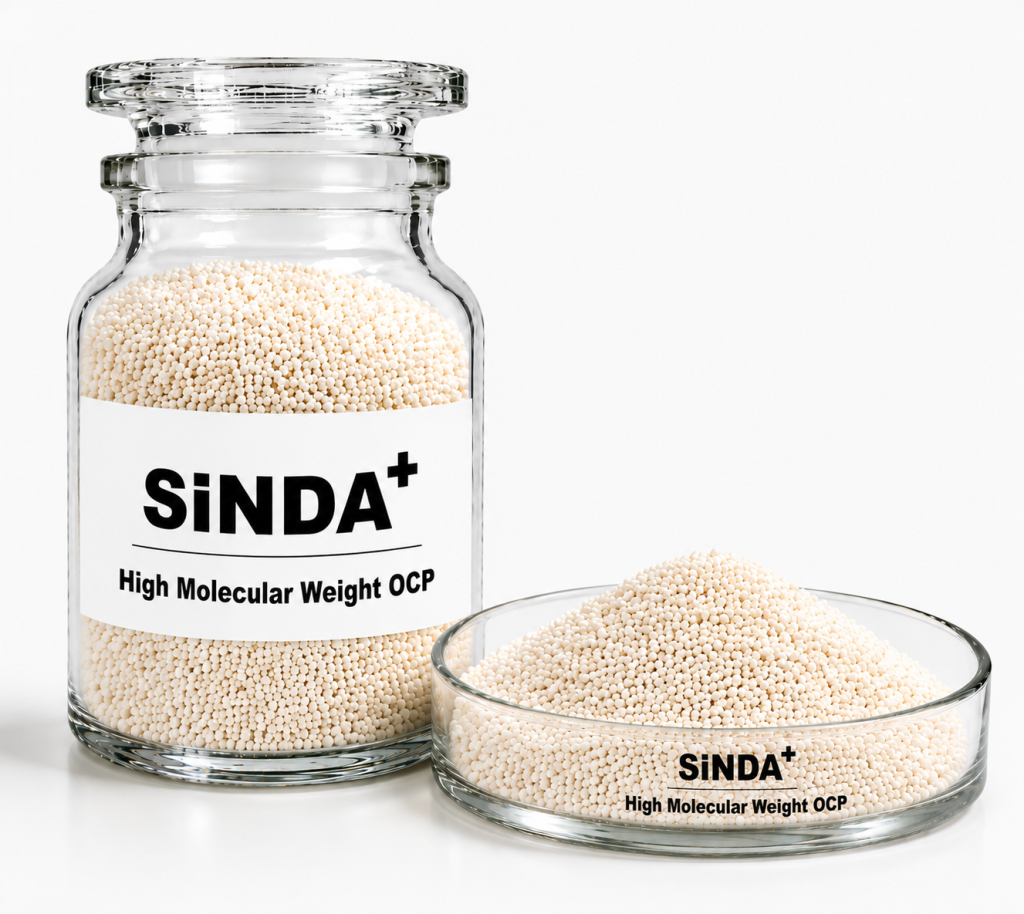
Product Overview Modern lubricant formulations require viscosity modifiers capable of…
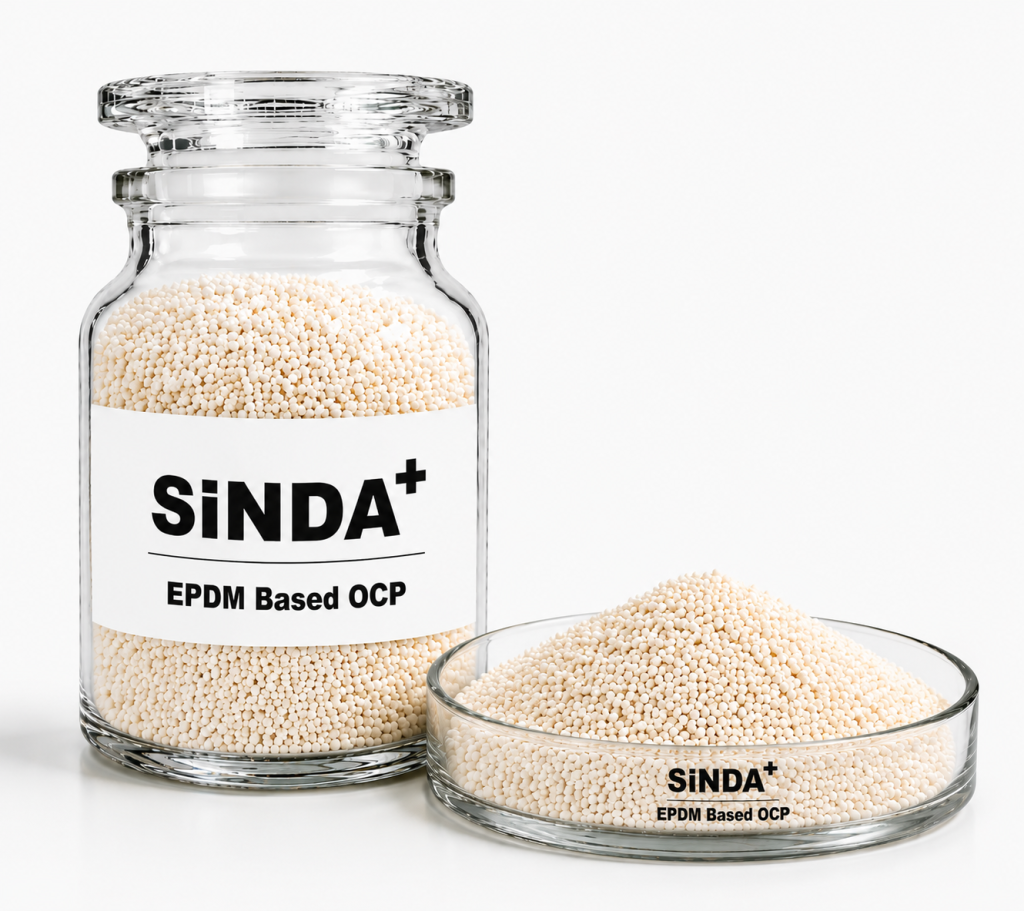
Product Overview Modern lubricant formulations require advanced viscosity modifier technologies…
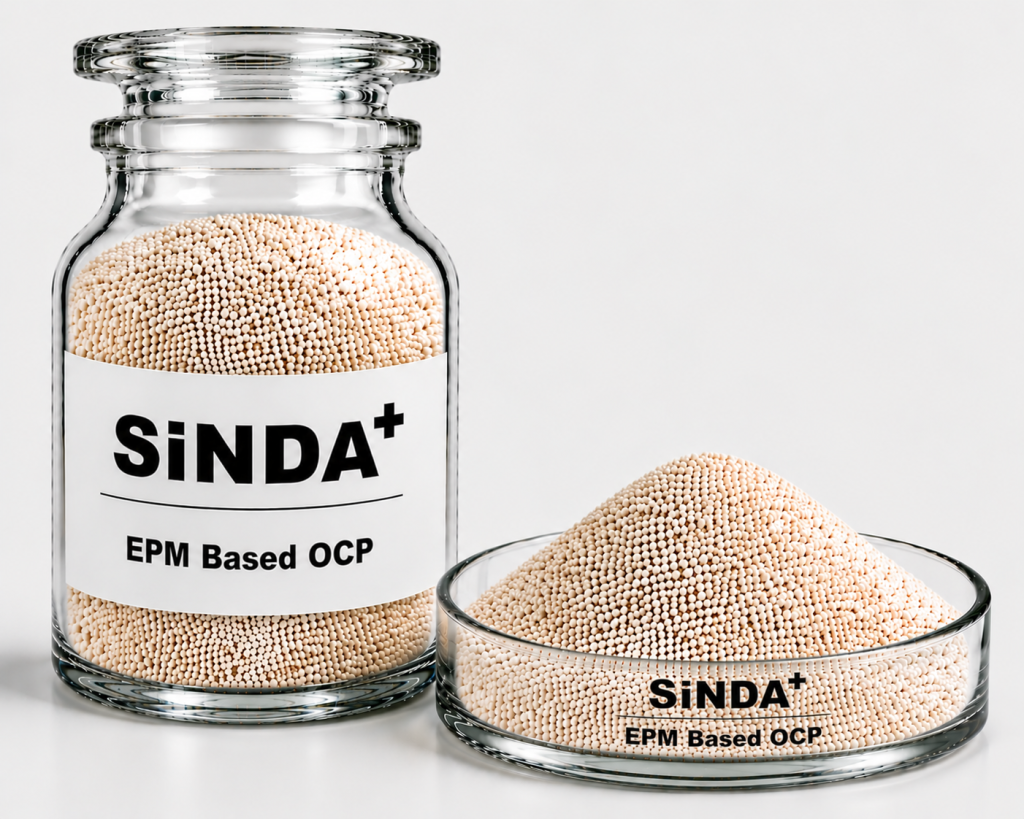
Product Overview Modern lubricant formulations require advanced polymer technologies capable…
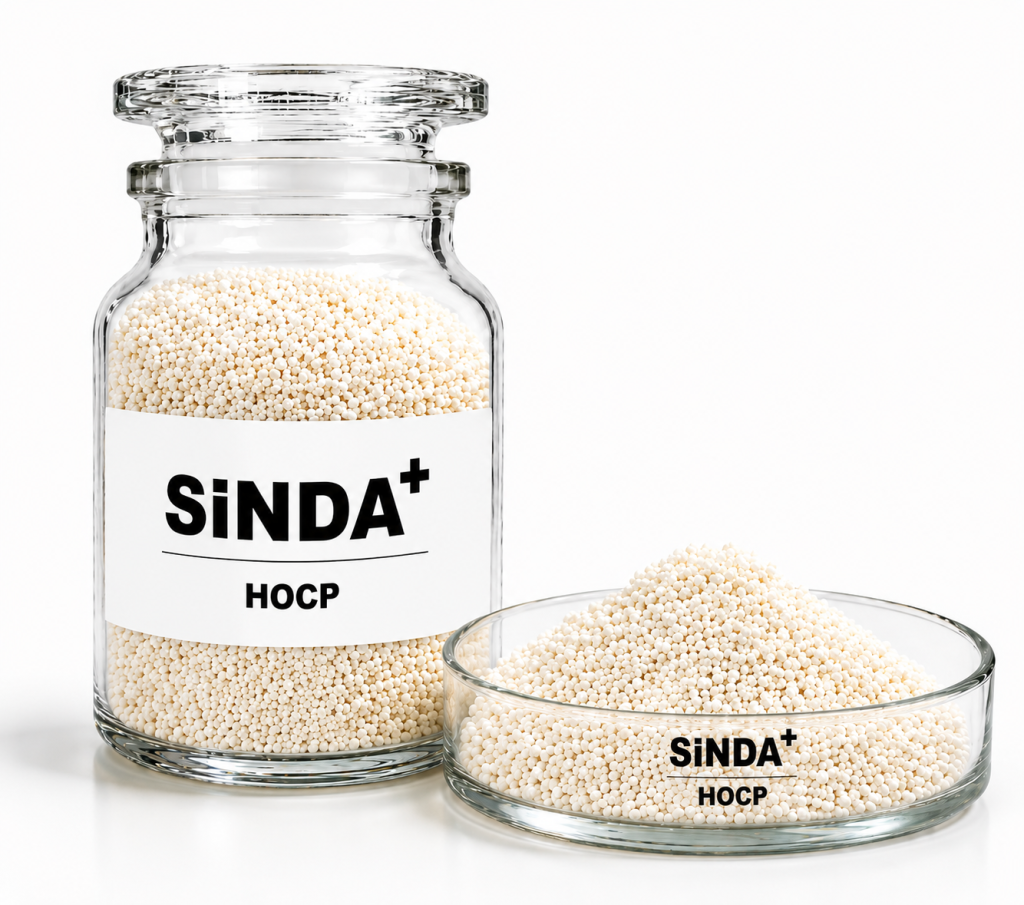
Product Overview Modern lubricant formulations require advanced polymer technologies capable…
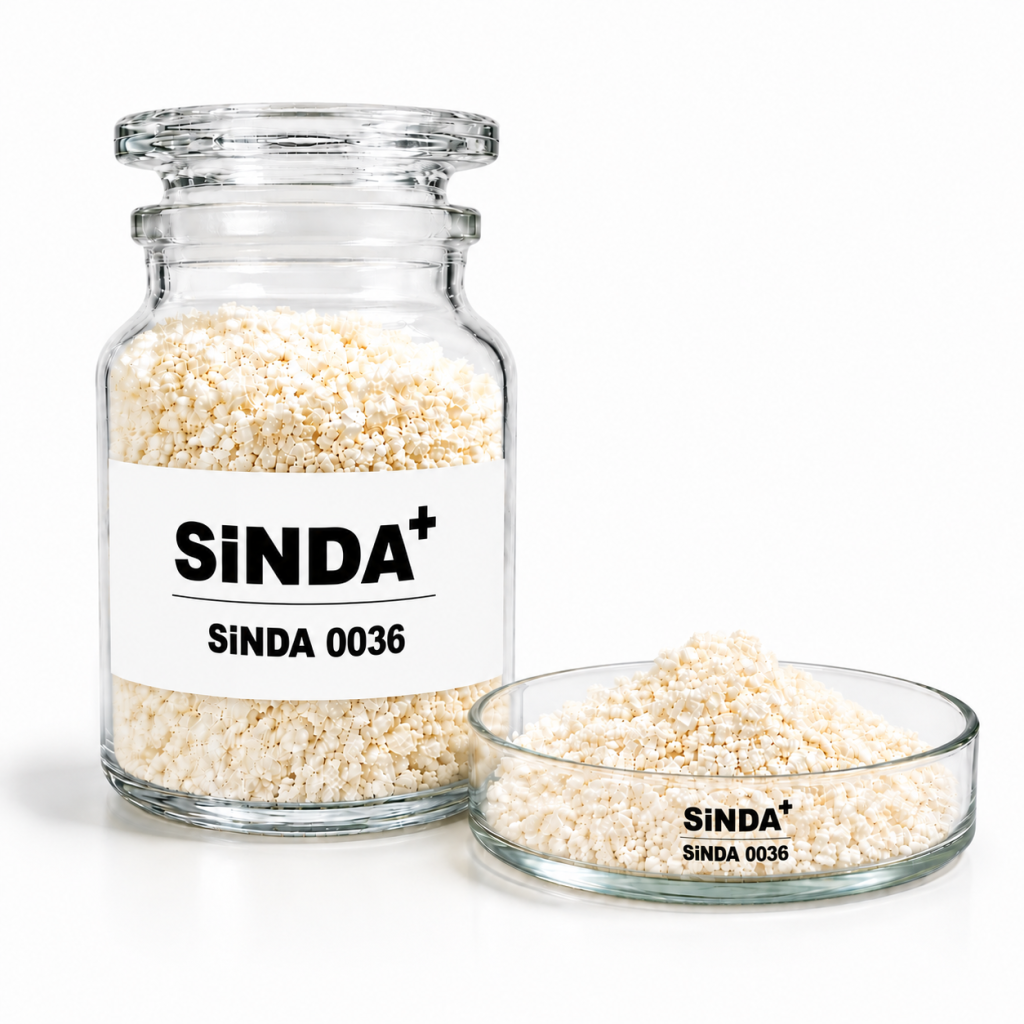
Product Overview Developing modern multigrade lubricants requires viscosity modifier technology…
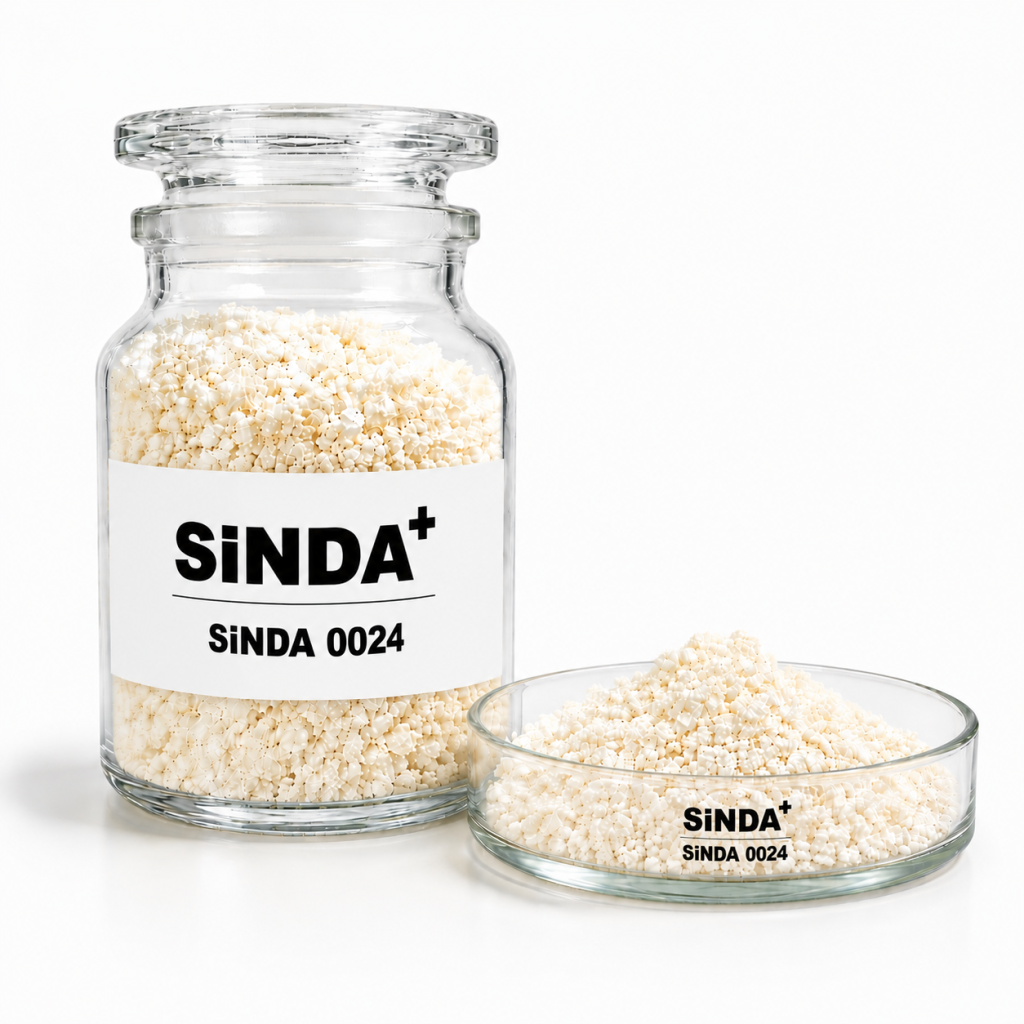
Product Overview Modern lubricant formulations require polymer technologies capable of…
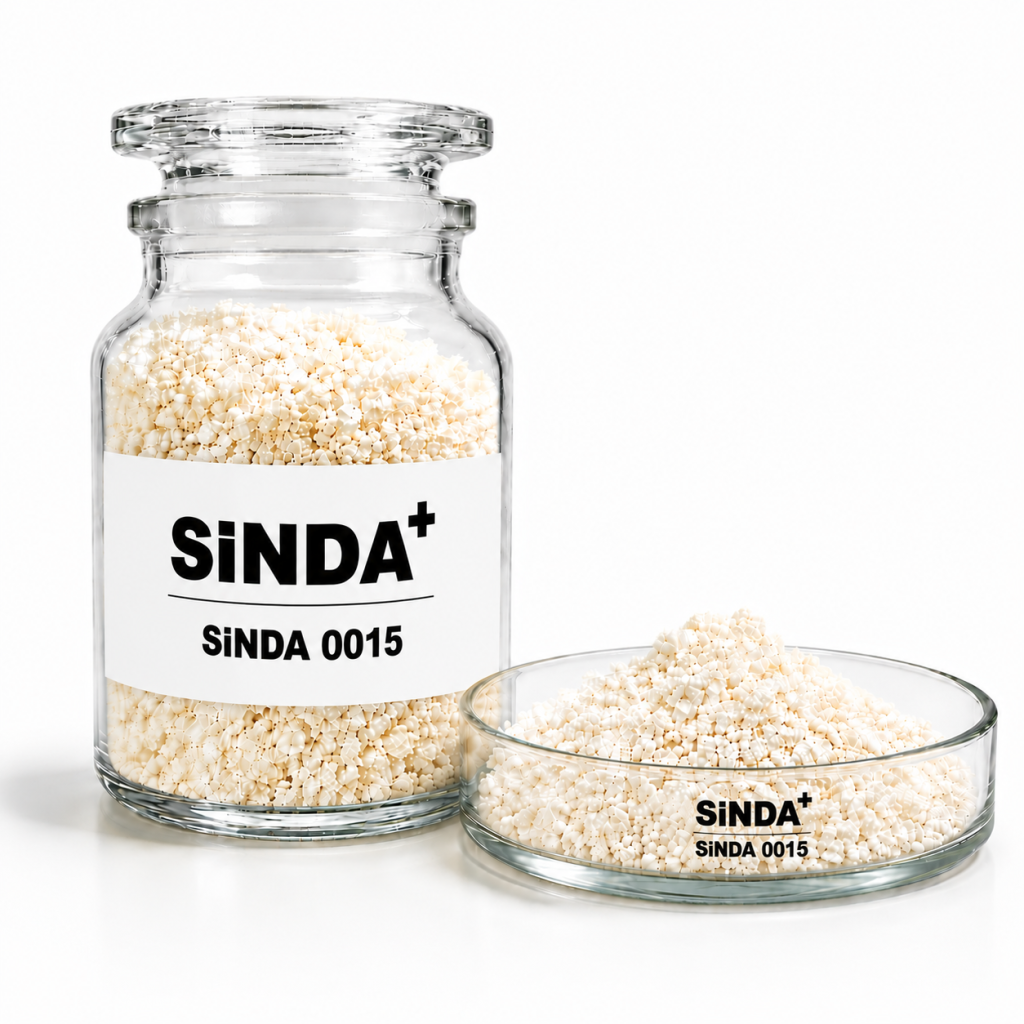
Product Overview Lubricant manufacturers require advanced polymer technologies to achieve…
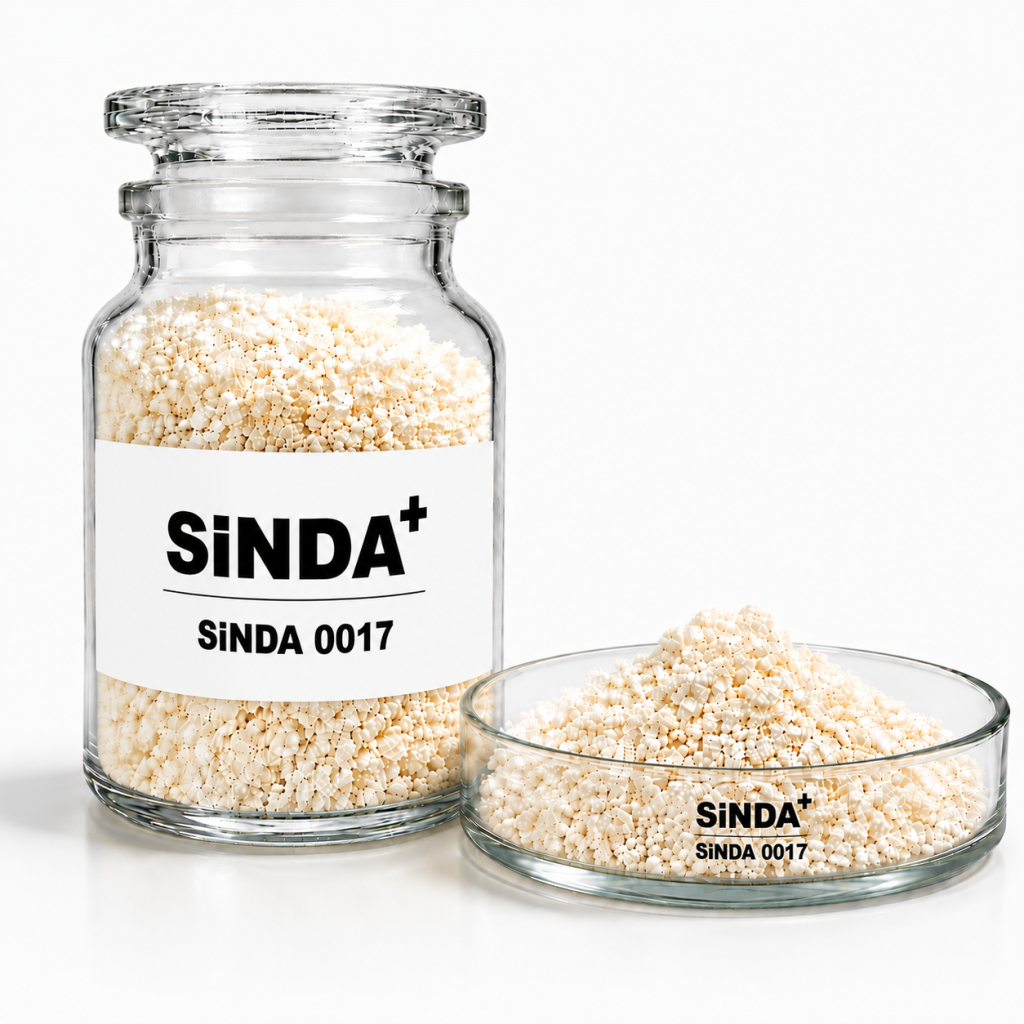
Product Overview Modern lubricant formulations face increasingly demanding operating conditions,…
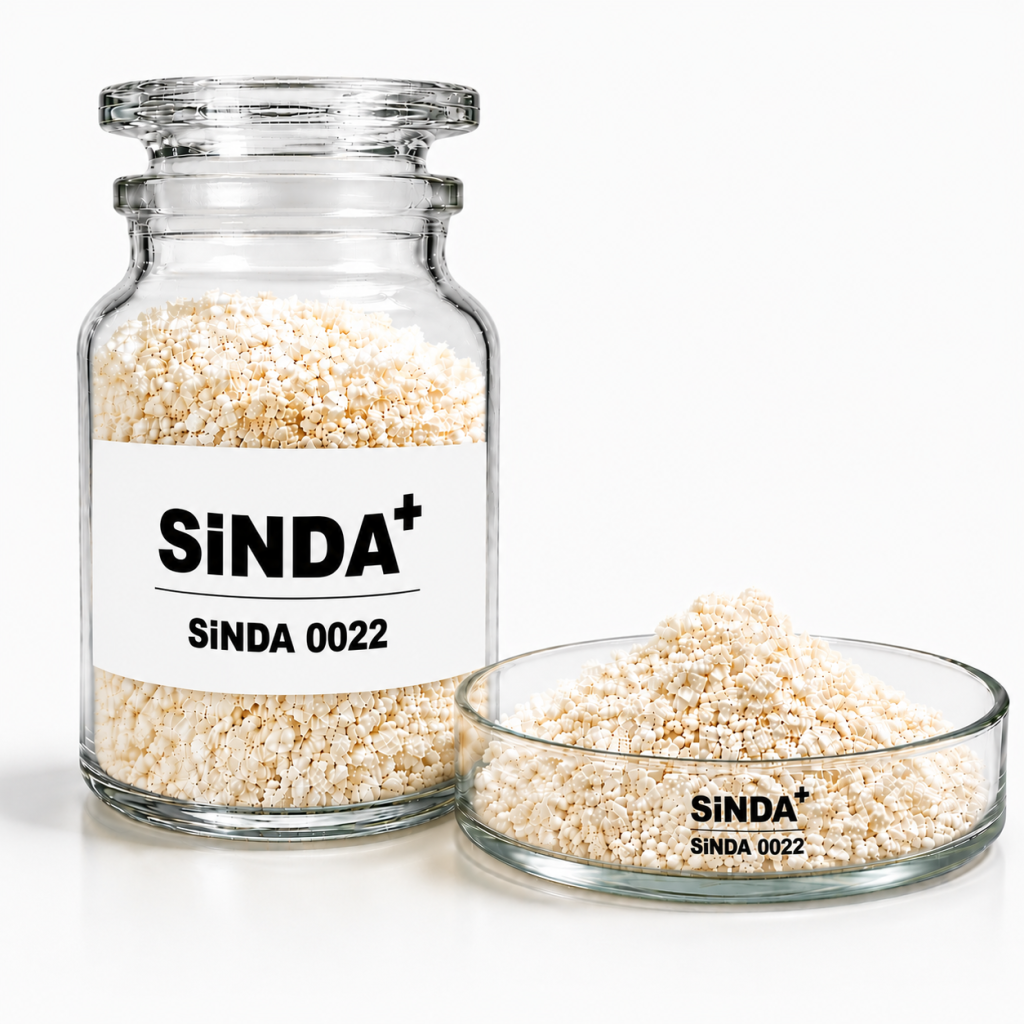
Product Overview Modern lubricant manufacturers require viscosity index improvers that…
Browse viscosity index improvers by polymer chemistry
A practical category structure helps formulators reach the right family before comparing individual grades. Explore OCP Based Polymers when olefin-copolymer solutions are under consideration, or review PMA Based Polymers when methacrylate chemistry, liquid delivery or low-temperature formulation requirements are central to the project. Styrenic Block Copolymers and advanced polymer architectures should only be evaluated where the active portfolio, application data and technical documentation justify a separate route.
Each polymer category provides a direct route to the relevant chemistry, application focus and available grade documentation.
What viscosity index improvers and lubricant polymers do
Viscosity index improvers, also called viscosity modifiers, are oil-soluble polymer additives used to reduce the rate at which a lubricant loses viscosity as temperature rises. In a formulated lubricant, the polymer contributes relatively less thickening at low temperature and more effective thickening at higher temperature. This behaviour supports the design of multigrade lubricants, but the finished result still depends on the base oil, additive package, polymer concentration and test requirements.
A polymer viscosity improver does not independently guarantee an SAE grade, an OEM claim, fuel economy, extended drain performance or equipment compatibility. Those outcomes belong to the complete formulation and must be demonstrated by the appropriate laboratory and performance tests. SiNDA therefore treats polymer selection as a formulation decision, not as a simple commodity substitution.
OCP versus PMA/PAMA and specialty viscosity modifiers
OCP and PMA/PAMA are broad chemistry families, not single performance levels. OCP refers to olefin copolymers. Some grades may be described by suppliers as EPM or EPDM based, but the specific polymer identity should be confirmed from the manufacturer’s declaration or TDS rather than inferred from a model number. PMA is commonly used for polymethacrylate chemistry, while PAMA may refer to polyalkyl methacrylates; supplier terminology and grade function should be checked carefully.
| Polymer family | Typical selection focus | Formulation questions to confirm | Evidence required |
| OCP | Thickening response, shear-stability range, engine-oil and industrial-oil suitability | Is the grade EPM, EPDM or another OCP architecture? What test method supports SSI/PSSI? What form is supplied? | TDS, supplier declaration, blend study, SDS |
| PMA / PAMA | Viscosity modification, low-temperature contribution, liquid or solid delivery and application-specific functionality | Is the grade a conventional VII, a pour point depressant, a dispersant PMA or a multifunctional polymer? | TDS, functional description, low-temperature data, compatibility study |
| Styrenic or specialty systems | Application-specific rheology, shear response or high-performance formulation targets | Does the active portfolio contain a documented grade for the intended lubricant and base stock? | Grade documentation, application data, technical review |
| Advanced architectures | Targeted performance balance where conventional families do not meet the brief | Are the claimed architecture and benefits documented under comparable test conditions? | Manufacturer statement, test method, formulation evidence |
For a detailed chemistry comparison, review our OCP vs PMA viscosity index improvers guide.
7 factors for choosing a viscosity index improver supplier UAE formulators can evaluate
1. Polymer chemistry and intended application
Start with the lubricant type, base-oil system, viscosity targets and applicable specification. A polymer suitable for a passenger-car engine oil is not automatically the right choice for a hydraulic fluid, industrial gear oil or transmission fluid. Ask the viscosity modifier supplier to explain the intended application window and the evidence supporting it.
2. Thickening efficiency and treat rate
Thickening efficiency describes how effectively a grade raises viscosity under defined conditions. It influences formulation cost, handling and the amount of polymer required, but it cannot be ranked independently of base-oil viscosity, polymer concentration and target grade. Treat rate must therefore be presented as an indicative starting point only when it is supported by supplier guidance. Final dosage requires laboratory blending and validation.
3. Shear stability, SSI and PSSI
SSI and PSSI are used to describe permanent viscosity loss associated with polymer shear, but the value is meaningful only with its test method, reference blend, polymer concentration and calculation basis. A number from one method should not be compared directly with a number generated by another method. Lower or higher values are not universally “better” without the application context. Request pre-shear and post-shear viscosity data and confirm whether the result represents SSI, PSSI or another shear metric.
4. Low-temperature performance
Low-temperature performance belongs to the finished formulation. CCS, MRV, Brookfield viscosity, pour point and related results depend on the base oils, polymer, pour point depressant and additive system. A VII additive UAE buyer should request formulated-oil evidence relevant to the target grade rather than treating a polymer family as a guarantee of cold-cranking or pumping performance.
5. Product form, dissolution and processing
Lubricant polymers may be supplied as bales, pellets, granules, crumbs, concentrates or liquids. Form affects storage, dosing, mixing time and production workflow. Dissolution temperature and time must be grade specific. Batch size, base-oil solvency, agitation, polymer size, thermal limits and safe handling all influence the process. SiNDA does not recommend a universal temperature or mixing duration; the supplier processing guide and SDS should control the production method.
6. Base-oil and additive-package compatibility
Compatibility must be confirmed in the actual formulation. Solubility, haze, storage stability, filterability, seal response and interaction with detergent-dispersant or other additive systems can change with base-stock type and concentration. A lubricant polymer supplier UAE blenders rely on should support sample testing rather than offer blanket compatibility statements.
7. Documents, traceability and supply terms
Before commercial approval, confirm the active grade list, manufacturer or origin, batch traceability, packaging, minimum order quantity, lead time and destination coverage. TDS and SDS should be retrievable for the proposed grade; COA availability should also be clarified where required. For supply into the UAE, MENA or Africa, commercial terms should be matched with realistic logistics and document requirements rather than broad export claims.
Applications by lubricant type
Viscosity index improvers are commonly evaluated for multigrade engine oils, hydraulic fluids, industrial and automotive gear oils, transmission fluids and selected specialty lubricants. The formulation objective changes by application. Engine oils may place strong emphasis on shear retention and low-temperature viscometrics; hydraulic fluids may prioritise viscosity-temperature behaviour, shear stability and system response; gear and transmission fluids may impose different mechanical-shear and low-temperature requirements.
The correct route is application → target viscosity profile → polymer family → grade shortlist → laboratory validation. Working in the opposite direction—starting with a low price or an isolated SSI number—often creates reformulation work later. This application-led process is also how SiNDA separates a qualified request from a generic polymer enquiry.
Technical-commercial evaluation with SiNDA
To prepare a useful recommendation, share the intended lubricant, base-oil types and viscosities, target kinematic viscosity, viscosity index or SAE/ISO objective, low-temperature limits, shear-test requirement, preferred polymer form, batch size, annual volume and destination. Where possible, include the current formulation or a non-confidential performance baseline.
SiNDA can then organise the enquiry around an active grade shortlist and the available documents. Any statement about exact chemistry, EPM or EPDM identity, SSI/PSSI, thickening efficiency, dissolution conditions, packaging or application performance remains subject to grade-level technical confirmation. This evidence-first approach is more useful than simply presenting SiNDA as a viscosity modifier supplier with an undifferentiated product list.
| Discuss your formulation requirements |
| Request a quotation, grade documents or a sample discussion. Send the application, base-oil system, target viscosity profile, required tests, preferred form, estimated volume and destination to the SiNDA team. |
Frequently asked questions
How do viscosity index improvers differ from other viscosity modifiers?
In lubricant practice, viscosity index improver and viscosity modifier are often used for the same polymer-additive function. However, “viscosity modifier” can be broader in some technical or commercial contexts. The grade description and intended application should be confirmed rather than relying only on terminology.
What are SSI and PSSI?
SSI and PSSI describe permanent viscosity loss associated with polymer shear under defined tests. The result must be read with the method, reference oil or formulation, concentration and calculation basis. Values generated by different methods are not automatically comparable.
How is an OCP or PMA polymer dissolved?
The method depends on the grade, form, base oil, agitation, batch size and supplier thermal limits. Use the grade-specific processing guide and SDS. A single dissolution temperature or time should not be published for an entire polymer family.
Which base oils and applications require testing?
All proposed formulations require validation. Mineral, Group II, Group III, PAO, ester or mixed base-stock systems can respond differently, and additive-package interactions may change solubility and performance. Test the complete formulation against its intended application requirements.
What information should I send for a quotation?
Provide the lubricant application, target viscosity or grade, base-oil system, required shear and low-temperature tests, preferred polymer form, annual quantity, packaging needs and delivery destination. This allows a more relevant technical-commercial response.
Choose documented performance, not a generic polymer claim
A reliable polymer selection combines chemistry, formulated-oil performance, process practicality and commercial supply. SiNDA’s role as a viscosity index improver supplier UAE customers can evaluate is to help connect those requirements with documented grade options—without inventing values or treating one polymer family as universally superior. Start with your application and test targets, then confirm the exact grade through TDS, SDS, sample blending and technical review.