
PMA Based Polymers
Evaluate methacrylate-polymer routes by their documented function, active content and compatibility with the intended lubricant system.
- Open this page on mobile
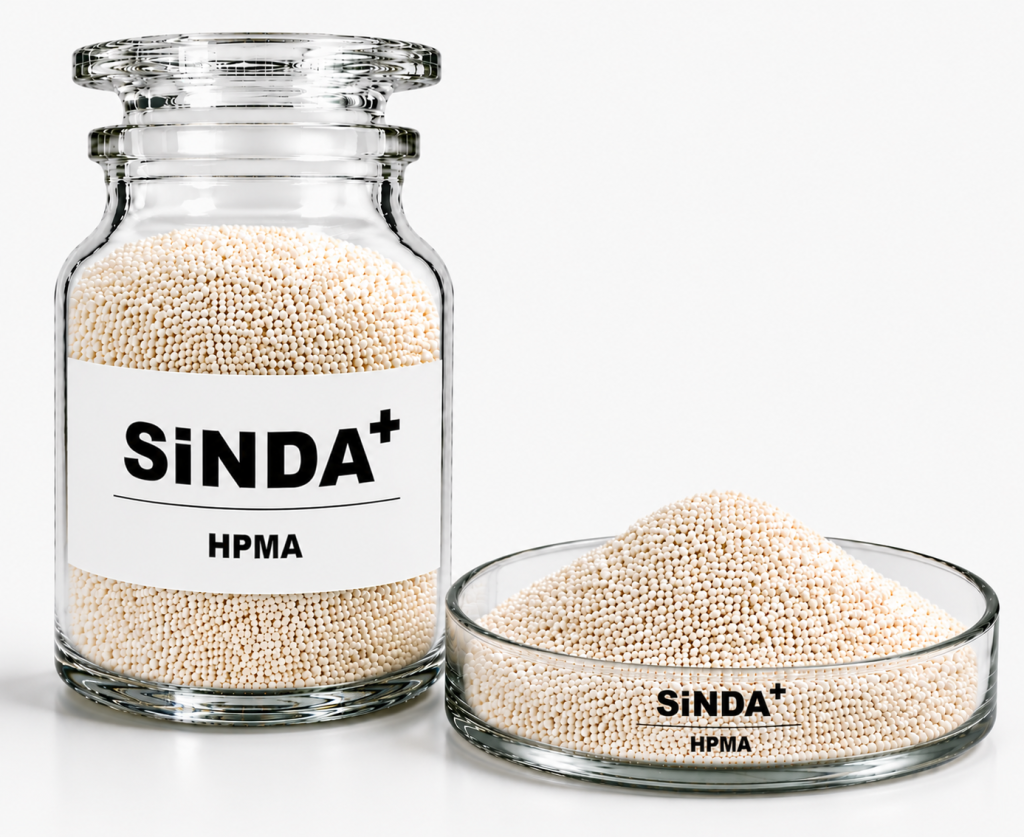
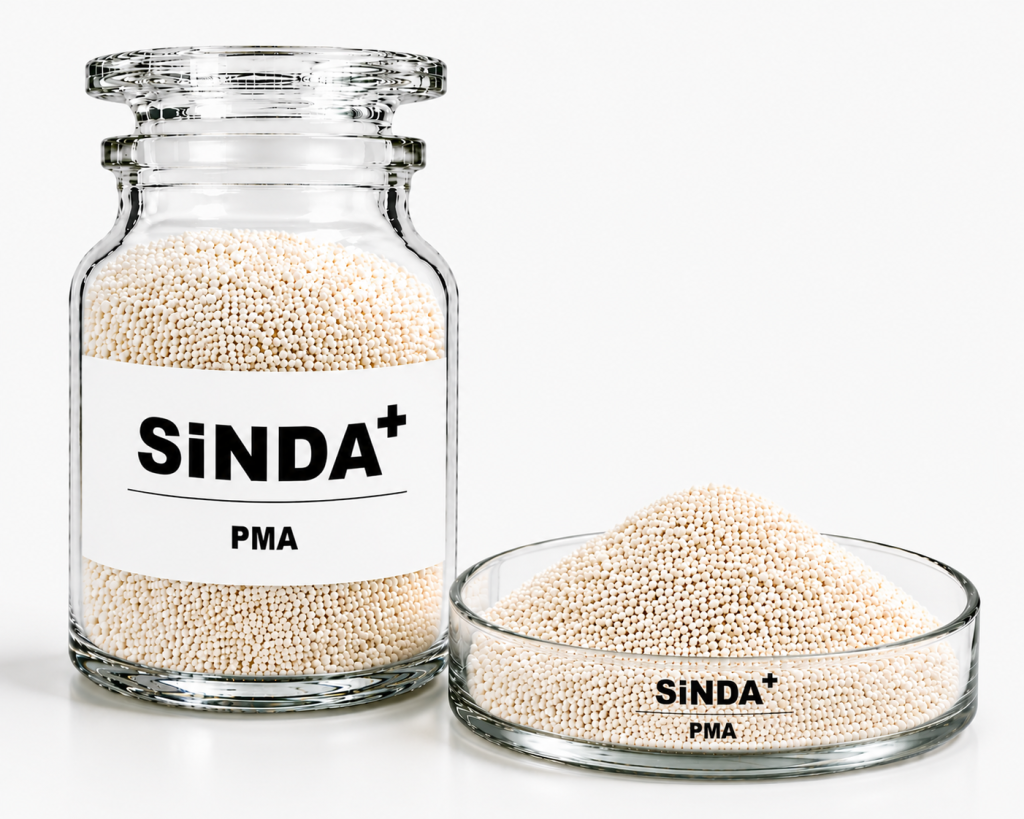
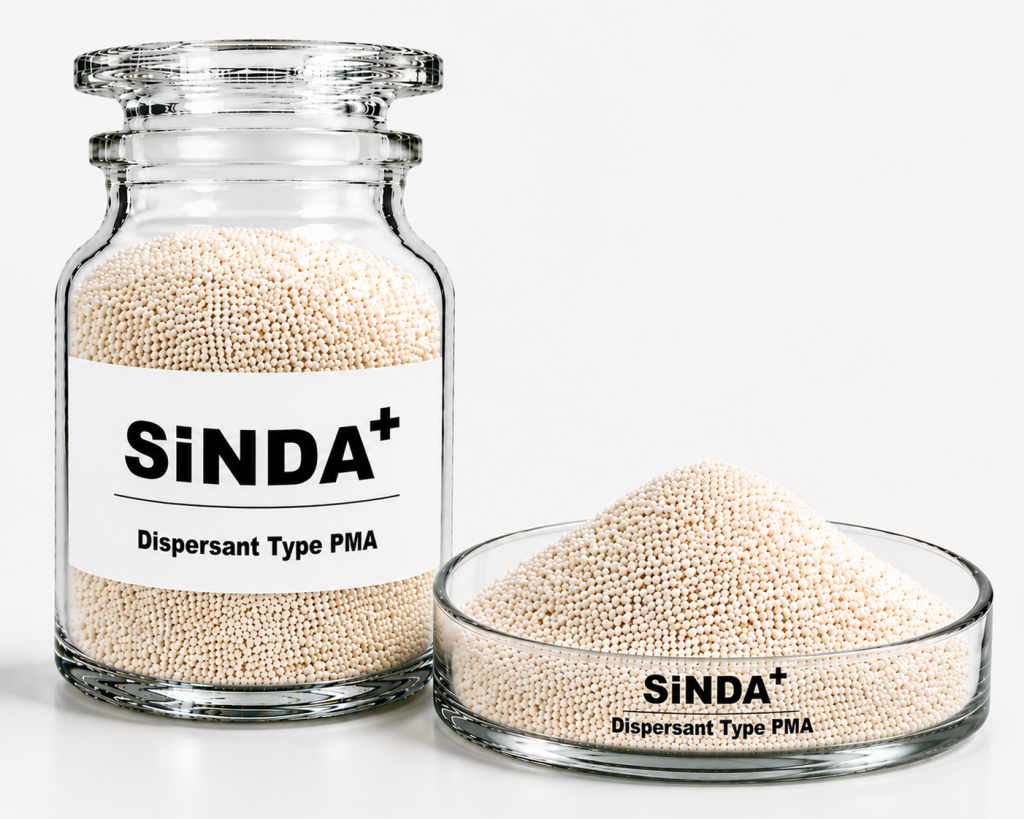
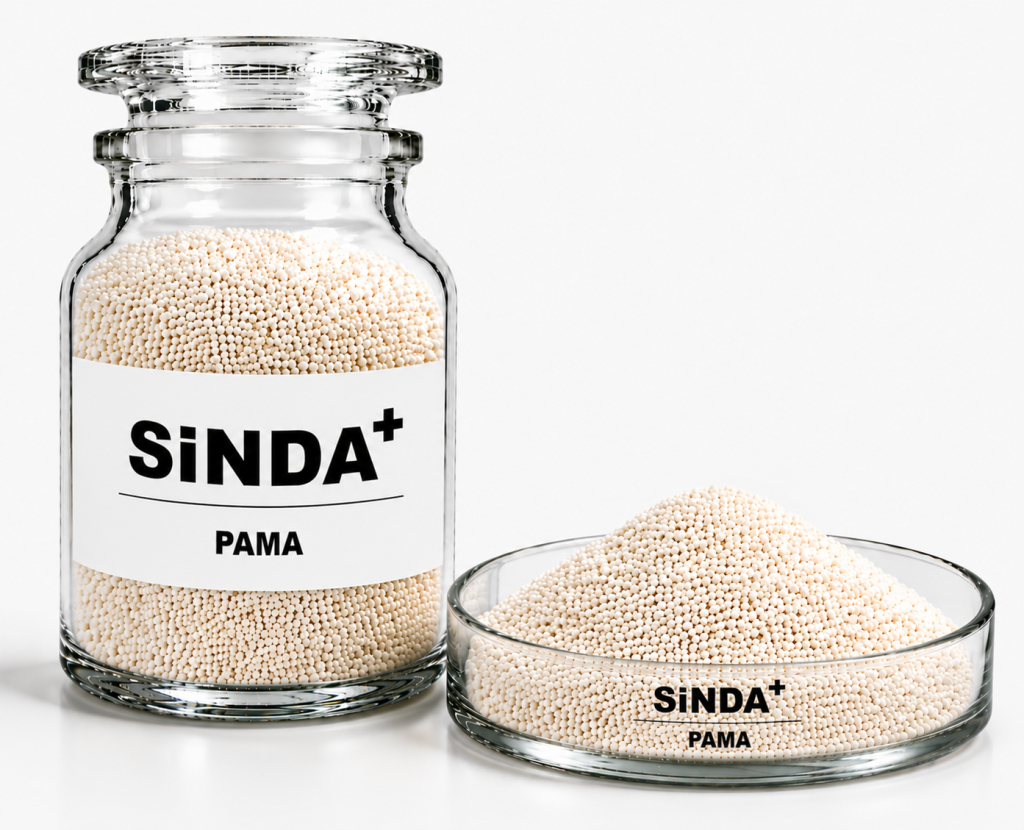
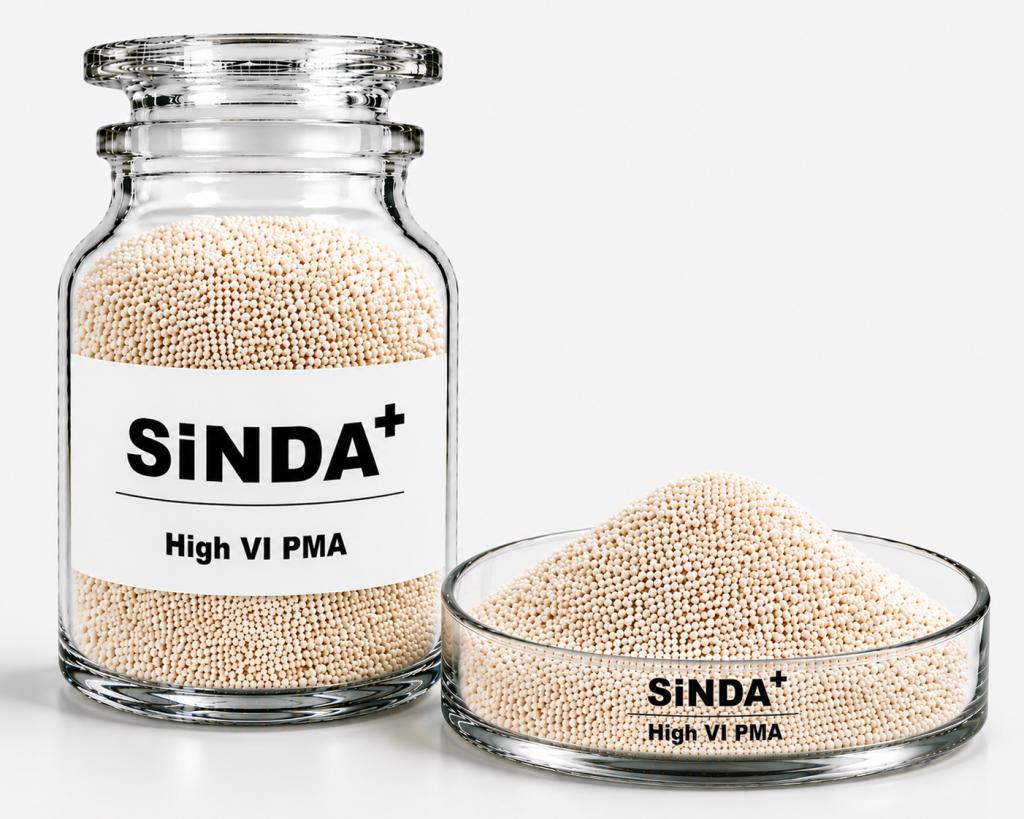
PMA based polymers — Product Routes
We offer PMA based polymers enquiries for lubricant formulators comparing methacrylate-derived modifier routes. The listed collection includes PMA, PAMA, HPMA, High VI PMA and Dispersant Type PMA (D-VII).
These catalogue descriptions help navigate the range. They should not be treated as proof that each product has the same chemistry, active content or functional role. Confirm the exact supplier definition and grade documentation, particularly where an abbreviated commercial name is used.
Our broader lubricant polymers collection supports chemistry selection across modifier families. Use the separate olefin copolymer route when comparing OCP-based materials rather than assuming an equal-dose substitution.
Functions and Applications
Methacrylate polymers can be designed for viscosity modification, low-temperature behaviour or additional functions such as dispersancy. Engine oils, hydraulic fluids, transmission fluids and gear lubricants can require different balances of these properties.
The important question is what the exact grade is designed to do in the intended base-oil and additive system. A family name alone does not define shear stability, a treat rate or a finished-fluid performance claim.
PMA and PAMA terminology may overlap in commercial usage, but the purchasing specification should identify the actual grade and composition information needed for the trial. Do not assume that similarly named products are technically identical.
Selection Guidance
| Formulation requirement | Information to compare | Required trial focus |
|---|---|---|
| Viscosity-temperature control | Thickening response and viscosity data | Target viscosity across the required temperatures |
| Shear retention | Method, concentration and base-oil conditions | Relevant permanent-viscosity-loss behaviour |
| Low-temperature performance | Grade-specific function and test data | Finished-blend flow or pumping requirement |
| Dispersant functionality | Documented functional modification | Interaction with the complete additive system |
| Manufacturing fit | Supplied form, active content and diluent | Mixing, handling and storage behaviour |
Review High VI PMA where that product route fits the formulation brief. The final choice should still be supported by a representative blend and relevant performance tests.
PMA Modifiers and Pour Point Depressants
Some methacrylate polymers are designed primarily for viscosity-index modification; others are designed as pour point depressants. Similar chemistry terminology does not make these functions interchangeable.
If the main objective is wax-related low-temperature flow control, use the pour point depressants collection and assess the exact base-oil response. Do not assume that every PMA viscosity modifier provides the required PPD effect.
Function-selection example
A blender wants better low-temperature flow and receives offers for both a PMA viscosity modifier and a PMA-type PPD. Establish the required test response before choosing. Similar chemistry terminology does not prove that both products perform the same function in the target base-oil blend.
Compatibility and Limitations
Avoid equal-weight replacement of an existing OCP or another PMA product without checking active content, diluent and thickening response. The required concentration depends on the exact material and target formulation.
Dispersant-type PMA can contribute an additional function, but that does not establish that a conventional dispersant can simply be removed. Review cleanliness performance and additive interactions in the complete formulation.
No product in this category should be assigned a finished-lubricant approval solely from its polymer family or trade description.
Documents and UAE Supply Enquiries
Send the target lubricant, base-stock composition, viscosity requirements, existing modifier, required shear and low-temperature performance, quantity and destination. Include the available processing route and any carrier-fluid restrictions.
Request the selected grade's TDS, SDS, active-content information where provided and relevant test guidance. We use those inputs to identify an appropriate PMA route and confirm quotation-dependent supply conditions for local or international orders.
Frequently Asked Questions
Are all PMA products viscosity-index improvers?
No. Confirm the exact grade's intended function; methacrylate polymers can be designed for different tasks.
Can dispersant-type PMA replace the entire dispersant system?
That requires formulation evidence. An additional dispersant function does not establish an automatic one-for-one replacement.
Request a Technical Quotation
Send the material identity, target formulation, processing requirements, quantity and destination to SiNDA for a documented polymer supply enquiry. Contact us on WhatsApp: +971 56 154 4177.