
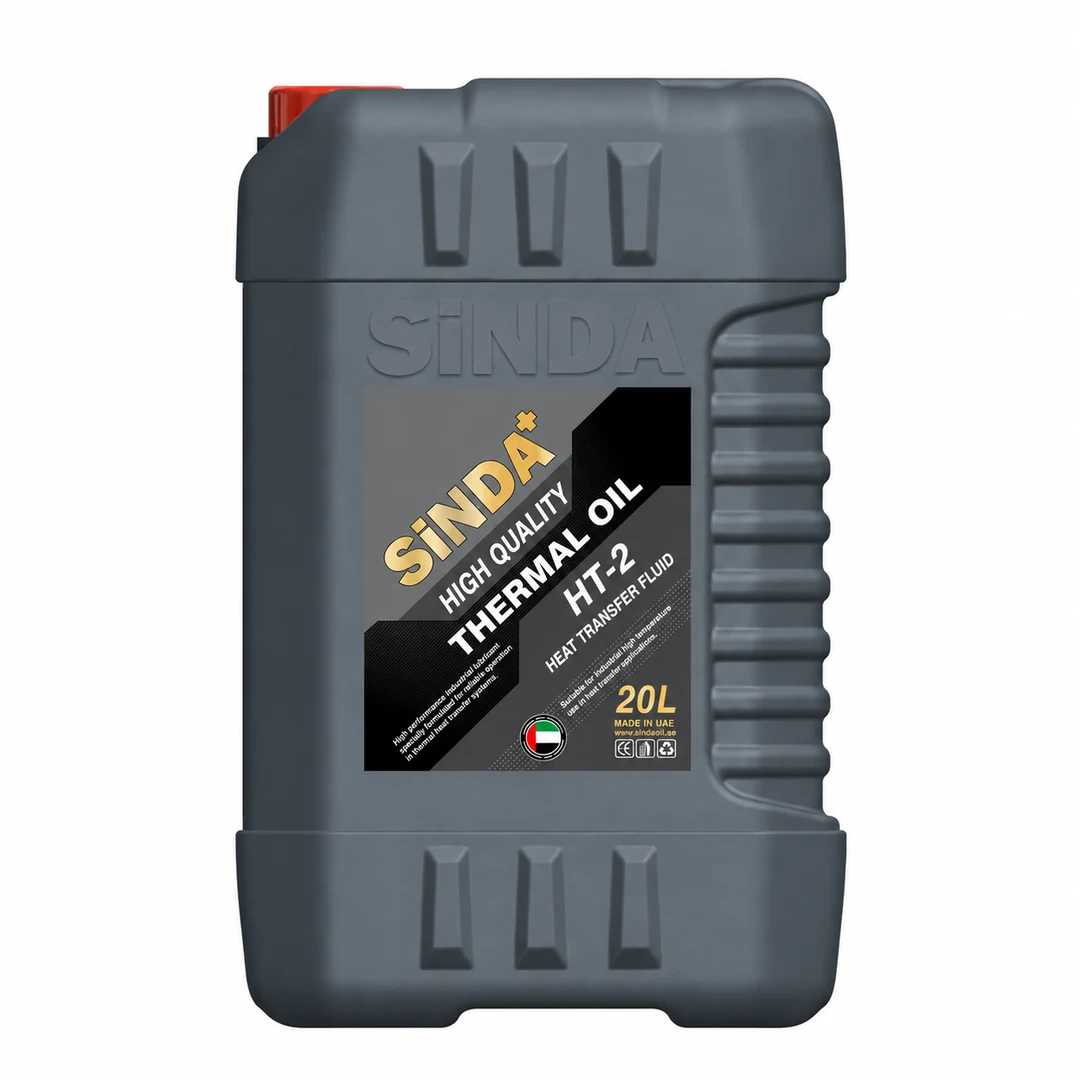
Thermal Oil HT-2
Thermal Oil HT-2 supports specification-based enquiries for industrial heat-transfer circuits. Review heater conditions, startup circulation and the process-contact boundary to select a formulation appropriate to the complete installation.
- Product Type
- Key Performance
- Application
- Open this page on mobile
Product Overview
We offer Thermal Oil HT-2 for industrial buyers comparing fluids for indirect heating. Selection requires a clear description of how the system operates, including its heater, circulation pump, expansion arrangement and process equipment.
The fluid must remain suitable across startup, normal operation and shutdown. A product chosen only from a maximum-temperature headline can overlook cold-start pumpability, local heater-surface conditions or compatibility with the existing charge.
HT-2 is not an ISO viscosity grade. It should not be treated as a thicker, hotter-running or higher-performance version of HT-1 without formulation-specific evidence.
Operational Applications
Relevant enquiries can include compatible heating circuits serving reactors, dryers, heat exchangers, jacketed production equipment and other nonfood industrial processes.
The equipment must be designed for the selected thermal fluid. A heat-transfer oil should not be introduced into a water, glycol or other specialised circuit without reviewing the complete system.
Use our industrial lubricants route to distinguish thermal-fluid requirements from separate gear, compressor and hydraulic lubrication duties.
For UAE facilities, describe outdoor pipe exposure and startup conditions as well as the process operating temperature.
Performance Characteristics
Heat delivery: Fluid flow and temperature difference determine how the loop transfers useful heat. A suitable oil cannot compensate for an undersized pump or fouled heat exchanger.
Resistance to degradation: Excessive thermal stress can create lighter and heavier degradation products, changing fluid behaviour. Condition monitoring should reflect the actual process and fluid chemistry.
Startup control: Cold oil can create higher circuit resistance. Follow the heating-system procedure so circulation is established before the heater imposes excessive local heat.
Maintainability: Sampling access, leak inspection and a defined monitoring baseline help detect changes before process performance deteriorates.
Compatibility & Limitations
Where HT-2 is specified as an NSF registration category, it denotes heat-transfer fluids for applications without food contact. Do not use that category to satisfy an incidental food-contact requirement.
The product name alone does not demonstrate any registration status. Purchasing documents should identify the exact formulation and required application category.
Do not mix with another thermal-fluid chemistry without a documented compatibility assessment. Also review seals, gaskets, pump materials and residual deposits.
A thermal oil should not be selected for open, pressurised or natural-circulation service simply because another product in the market permits that arrangement.
Thermal Oil HT-2 Selection Guidance
Choose Thermal Oil HT-2 through a complete system comparison, rather than an assumed ranking against HT-1.
For example, a chemical-processing loop may require a particular viscosity at startup and a documented film-temperature limit. A replacement that meets the process temperature but exceeds the pump’s cold-start viscosity limit can reduce circulation and increase local heater stress.
The simple selection rule is to satisfy both the cold and hot operating conditions.
Send:
- Process description and heater configuration.
- Minimum startup and maximum operating temperatures.
- Circulation-pump and expansion-system details.
- Required thermal properties or design specification.
- Existing fluid name and recent analysis.
- Any contamination, fouling or pressure problem.
- Required volume, packaging and destination.
Compliance & Standards
Physical-property testing and application registration address different requirements. ASTM D445 viscosity data, for example, do not establish food-contact acceptance or a maximum continuous temperature.
Where the purchase specification includes HT-2 registration, verify the exact product and use conditions. Equipment approval and thermal performance must still be assessed independently.
Industrial FAQ
Is HT-2 automatically more temperature-resistant than HT-1?
No. These designations do not establish a universal performance hierarchy.
Can it be used in a food plant?
Assess the actual circuit and contact risk. HT-2 category acceptance does not permit food contact.
Should every replacement charge use the same viscosity?
Follow the system specification. A change requires assessment of circulation, heat transfer and equipment limits.
Technical Specifications
| Review parameter | Selection purpose |
|---|---|
| Actual viscosity grade | Identify startup and circulation behaviour |
| Bulk-temperature limit | Match the process-fluid envelope |
| Film-temperature limit | Assess local heater conditions |
| Vapour-pressure data | Check the system operating conditions |
| Expansion and material compatibility | Match equipment design |
| Existing-fluid condition | Plan replacement and cleaning |
Values must come from the selected Thermal Oil HT-2 formulation and relevant equipment documentation.
The test temperature and method should accompany any comparison. Two published figures do not form a valid comparison when they describe different conditions.
Thermal Oil HT-2 requires a defined system duty, documented thermal limits and an appropriate process-contact boundary. Use these requirements to compare replacement options. Share your application with SiNDA for technical evaluation and a Dubai, UAE or international supply quotation: +971 56 154 4177.
For direct and secure purchases with guaranteed quality, contact our experts now and benefit from free consultation.