
HEAT TRANSFER OILS
Choose thermal oil from the system design and the fluid’s documented operating envelope, including bulk temperature, film temperature and start-up conditions.
- Open this page on mobile
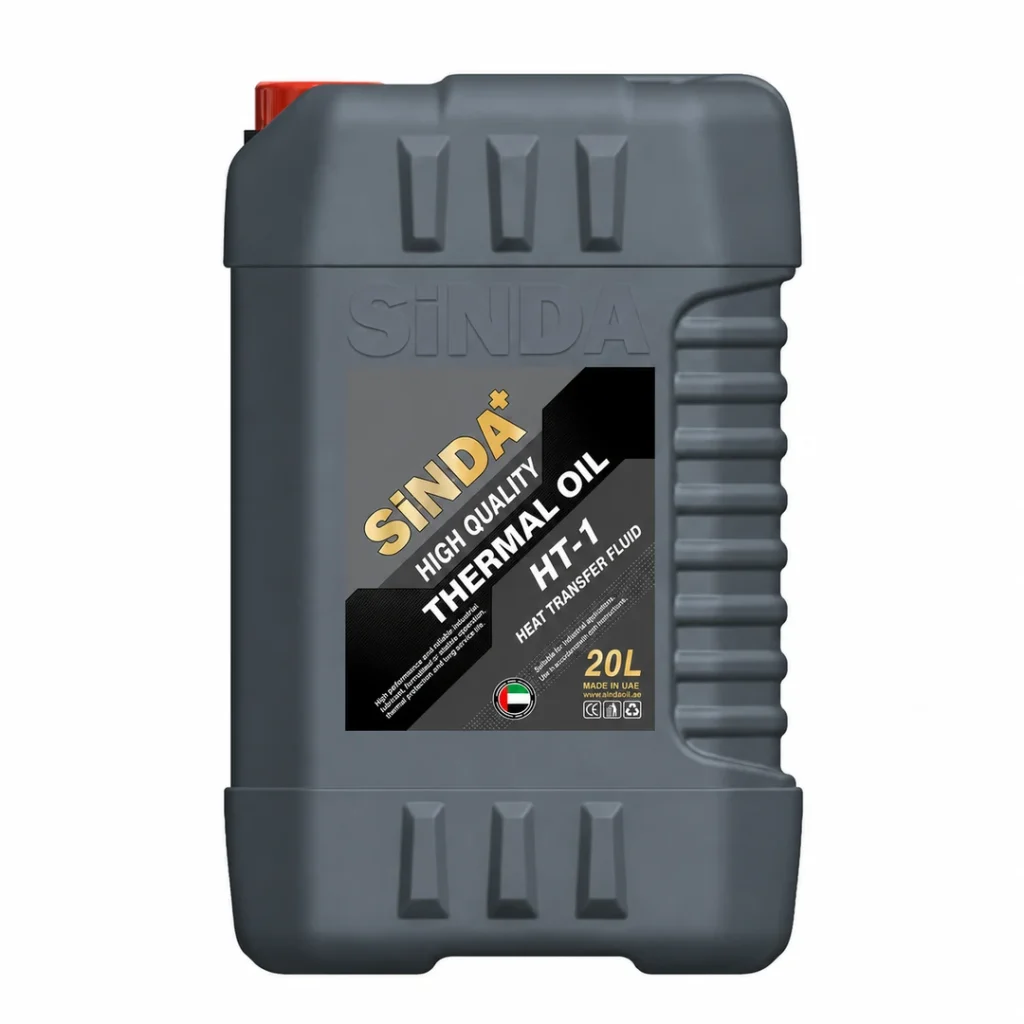
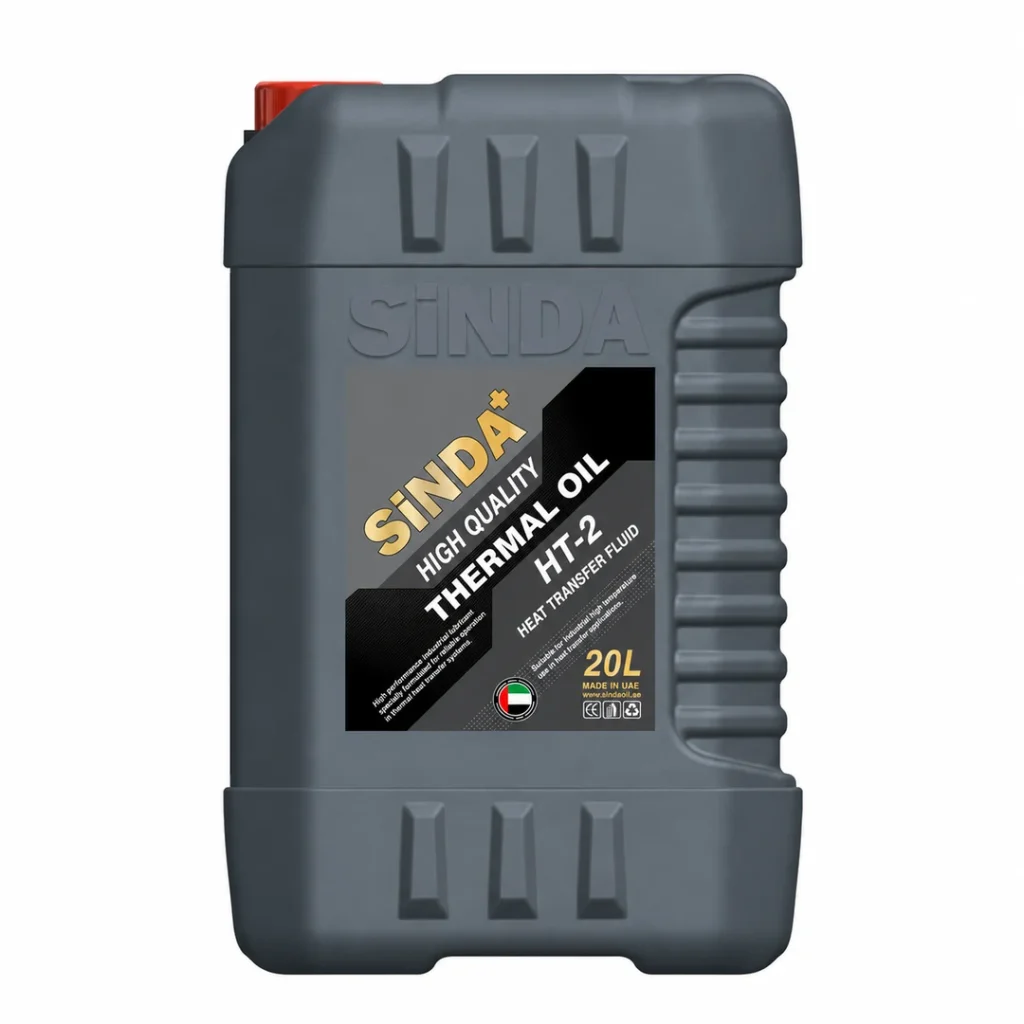
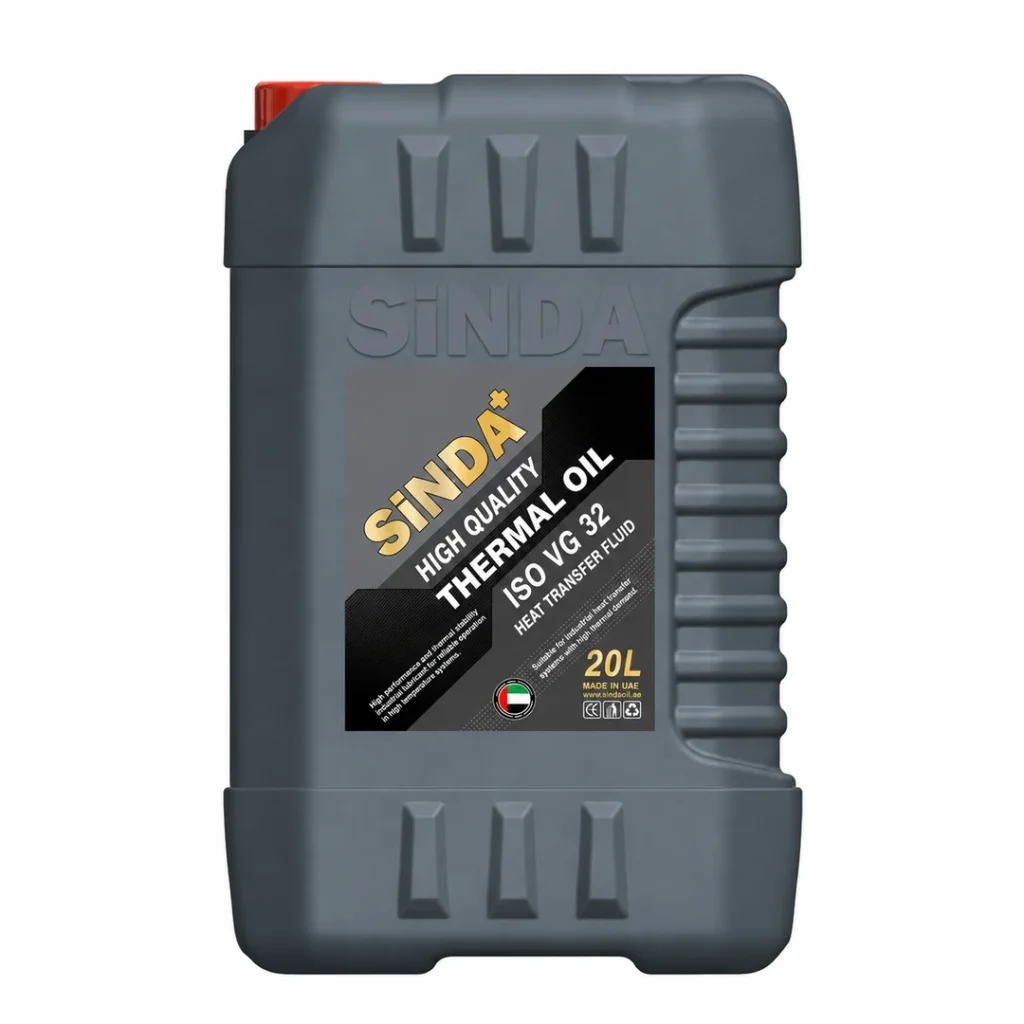
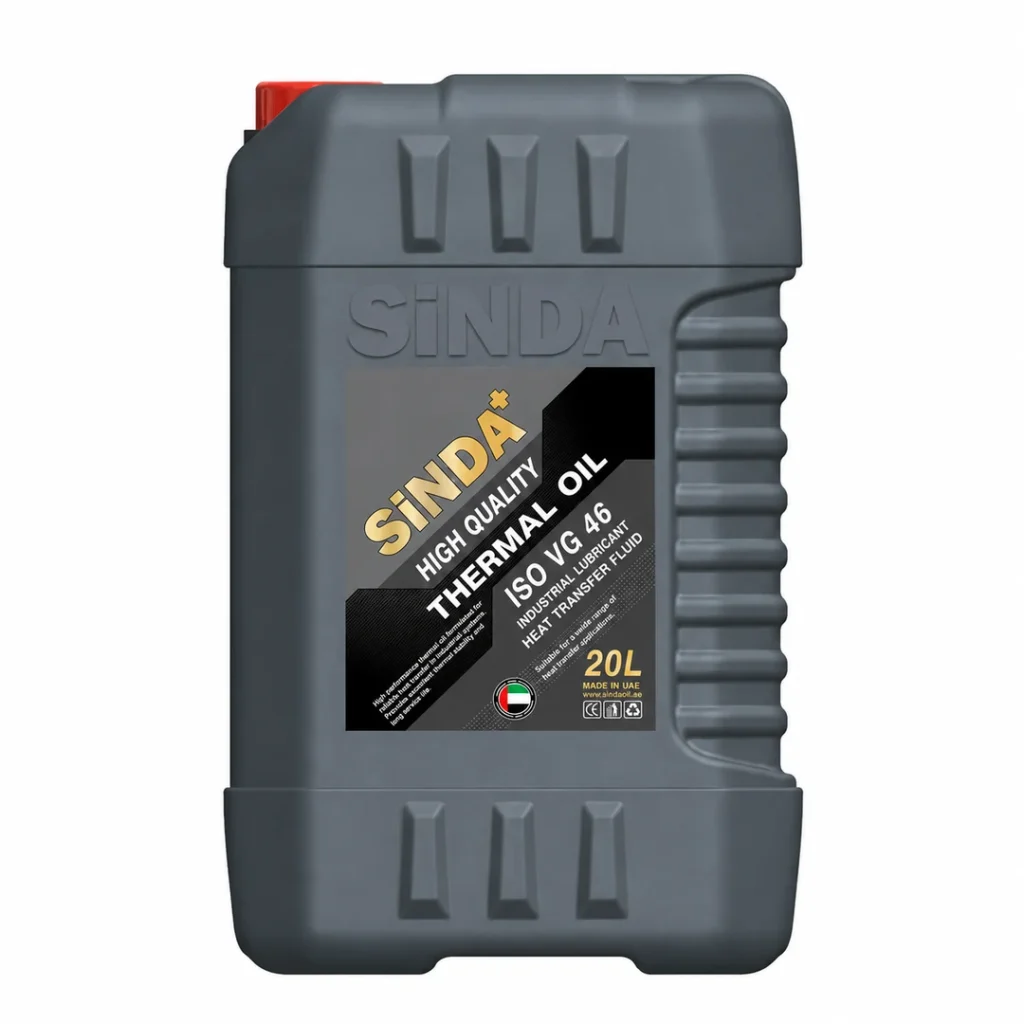
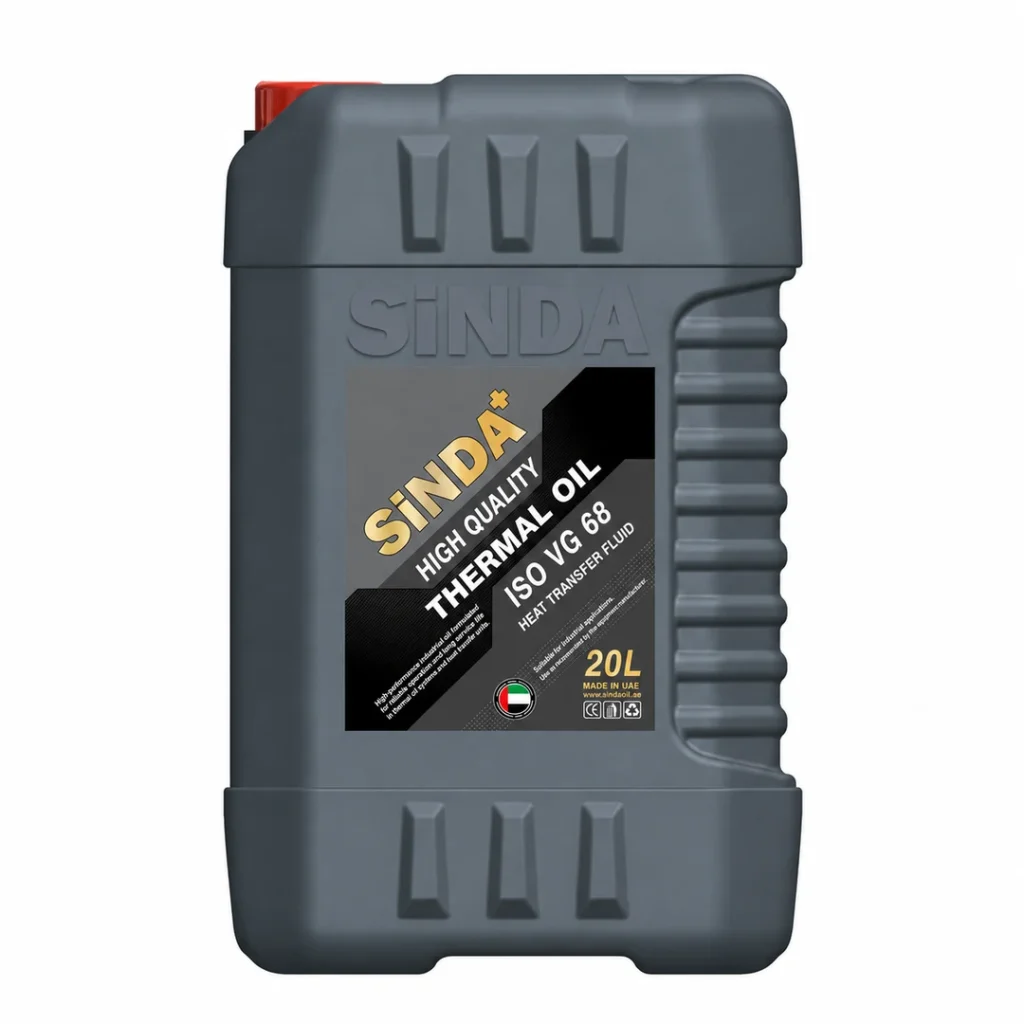
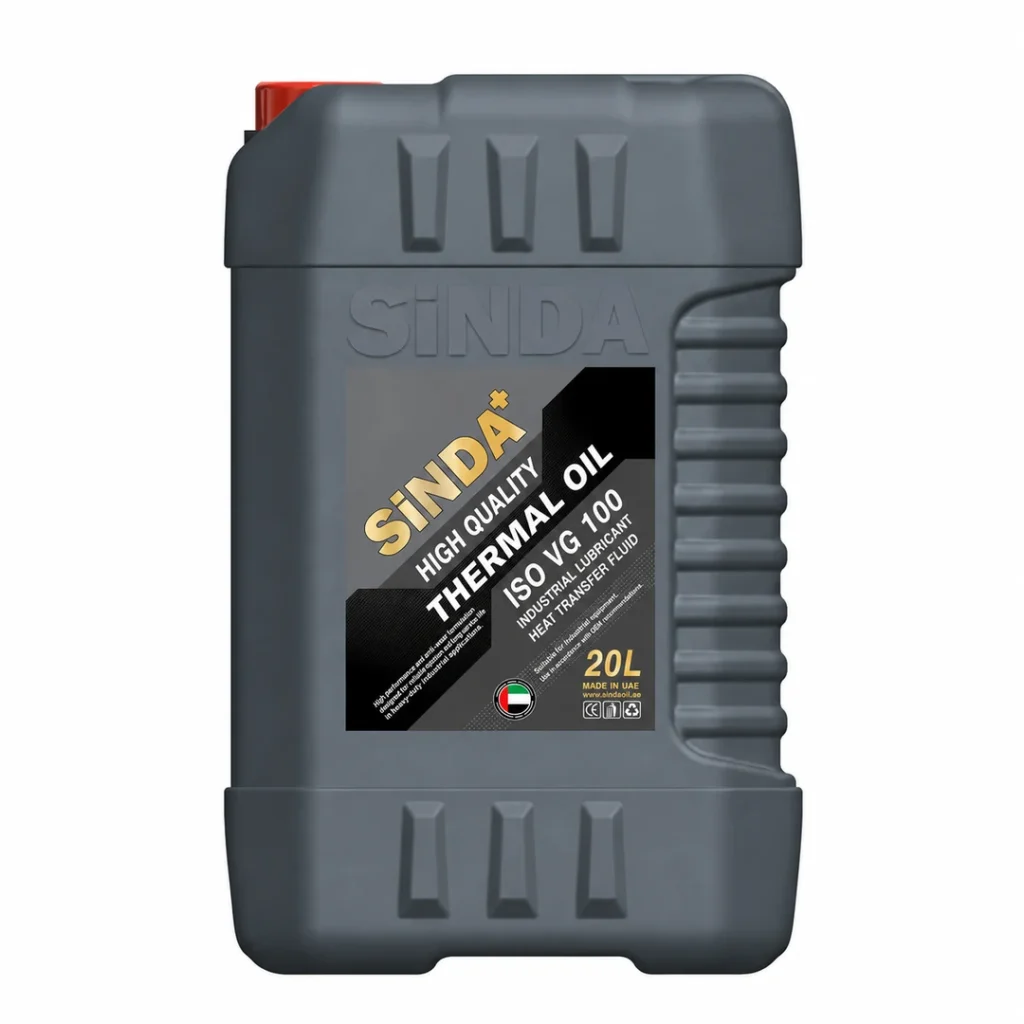
Heat transfer oils — Product Routes
We supply heat transfer oils for industrial enquiries involving indirect heating and compatible thermal-fluid systems. The collection includes Thermal Oil HT-1, Thermal Oil HT-2 and Thermal Oil 32, 46, 68 and 100.
These product names provide catalogue routes. They do not establish one shared chemistry, maximum temperature or interchangeable performance level. In particular, a number within a thermal-fluid product name should not be assumed to follow a universal selection rule without reading the specific TDS.
Use the wider industrial lubricants collection for machinery lubrication. A heat-transfer fluid is selected for a thermal system's needs, which differ from a bearing or gearbox lubrication duty.
Applications and Operating Requirements
Relevant enquiries include compatible process-heating loops, jacketed vessels, production equipment and other indirect thermal systems. Identify whether the system is open or closed and whether it operates in liquid or vapour phase before comparing products.
Bulk fluid temperature and local film temperature are different selection limits. A heater surface can expose the fluid to a higher temperature than the measured circulating bulk temperature. Both must remain within the selected fluid's documented limits.
Cold start-up also matters. A fluid that meets the normal operating-temperature requirement may still need a defined warm-up procedure to achieve adequate circulation when the system is cold.
System Selection Guidance
| System information | Why it is required | Document or operating input |
|---|---|---|
| Maximum bulk temperature | Establishes the circulating-fluid duty | Process and heater operating data |
| Film-temperature exposure | Identifies local thermal stress | Heater design and fluid limit |
| Start-up temperature | Determines pumpability and warm-up needs | Site conditions and viscosity data |
| System design | Distinguishes phase, pressure and expansion arrangements | Equipment manual or system drawing |
| Existing fluid | Defines compatibility and conversion scope | Product identity and condition history |
For a UAE facility, describe continuous or intermittent running, shut-down practice and the expansion-tank arrangement. These details are more useful than selecting thermal oil solely from a general maximum-temperature claim.
Performance and Fluid Condition
Review thermal stability, oxidation behaviour, viscosity and the supplier's condition-monitoring guidance for the actual fluid. Rising viscosity, light-end formation, deposits or changes in heat-transfer performance require investigation rather than an automatic top-up decision.
Maintain appropriate controls against contamination and oxygen exposure. Expansion-system design and operating practice influence fluid condition; a product change cannot compensate for an unresolved system problem.
Heater-duty example
A system’s measured bulk temperature is within a candidate fluid’s published limit, but the heater can create a higher local film temperature. The fluid cannot be accepted from the bulk figure alone. Review both exposures with the system design before selecting the product or changing the operating set point.
Compatibility and Limitations
Do not select a thermal fluid from flash point alone. Flash point, operating temperature and the system's safety assessment serve different purposes.
Do not apply a competitor's temperature limits or another SiNDA product's figures to the proposed fluid. Confirm bulk and film limits for the exact formulation and assess material compatibility before changing chemistry or mixing residual fluids.
Food-processing heat-transfer applications may require an additional acceptance category. Verify that requirement separately rather than assuming an ordinary thermal oil meets it.
Documents and Supply Enquiries
Send the system type, operating and start-up temperatures, heater details, existing fluid, total charge volume, make-up demand and delivery destination. Include fluid-analysis results if the enquiry follows a performance or condition problem.
Request the current TDS and SDS, product-specific temperature limits and relevant handling guidance. We confirm the proposed thermal-fluid route and commercial details against the system brief.
Frequently Asked Questions
Can I select heat transfer oil from viscosity alone?
No. Fluid chemistry, thermal limits, circulation and system design must also be matched.
Is the maximum bulk temperature the same as the film-temperature limit?
No. They describe different thermal exposures and must be checked separately.
Request a Technical Quotation
Discuss the equipment, required grade, operating duty and order quantity with SiNDA to identify the relevant product route and request a Dubai, UAE or international supply quotation. Contact us on WhatsApp: +971 56 154 4177.