
VACUUM PUMP OILS
Select vacuum pump oil from the pump specification and process exposure, including viscosity, sealing duty and required vacuum performance.
- Open this page on mobile
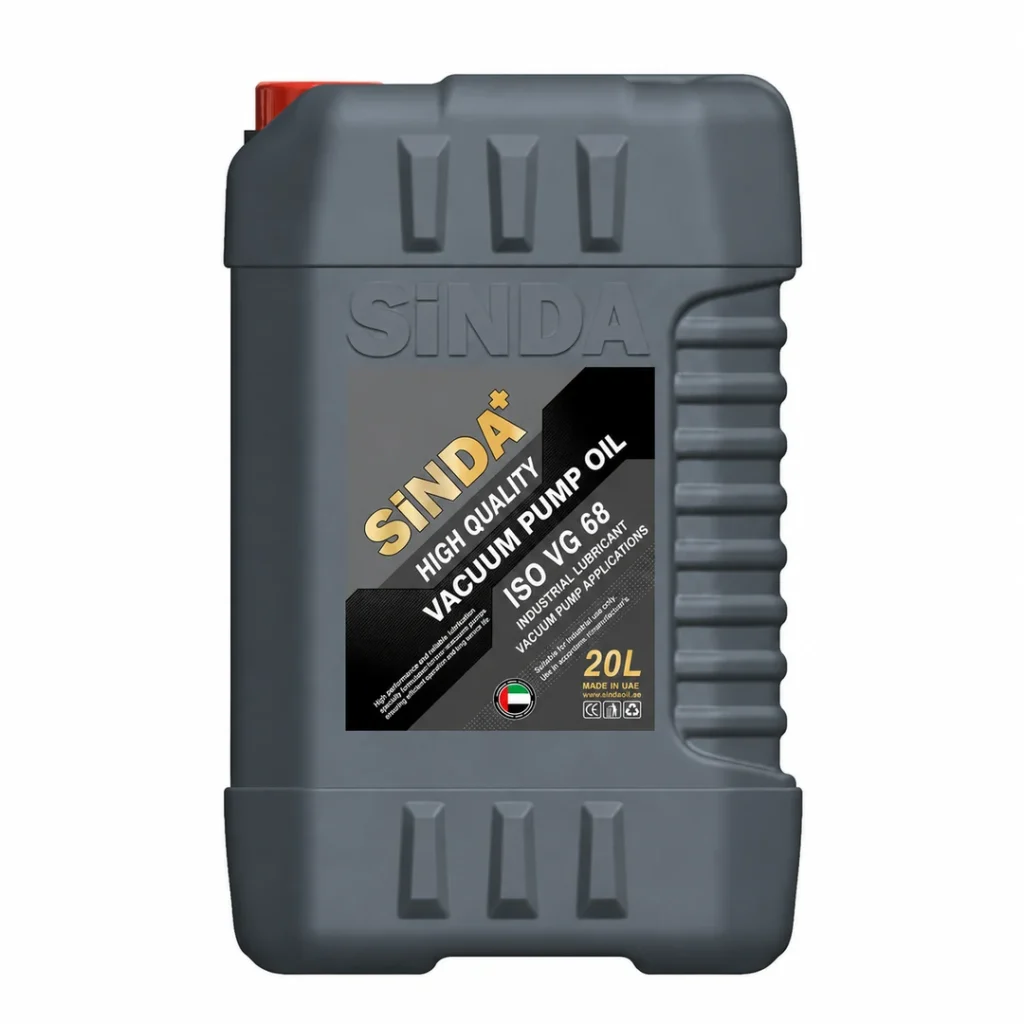
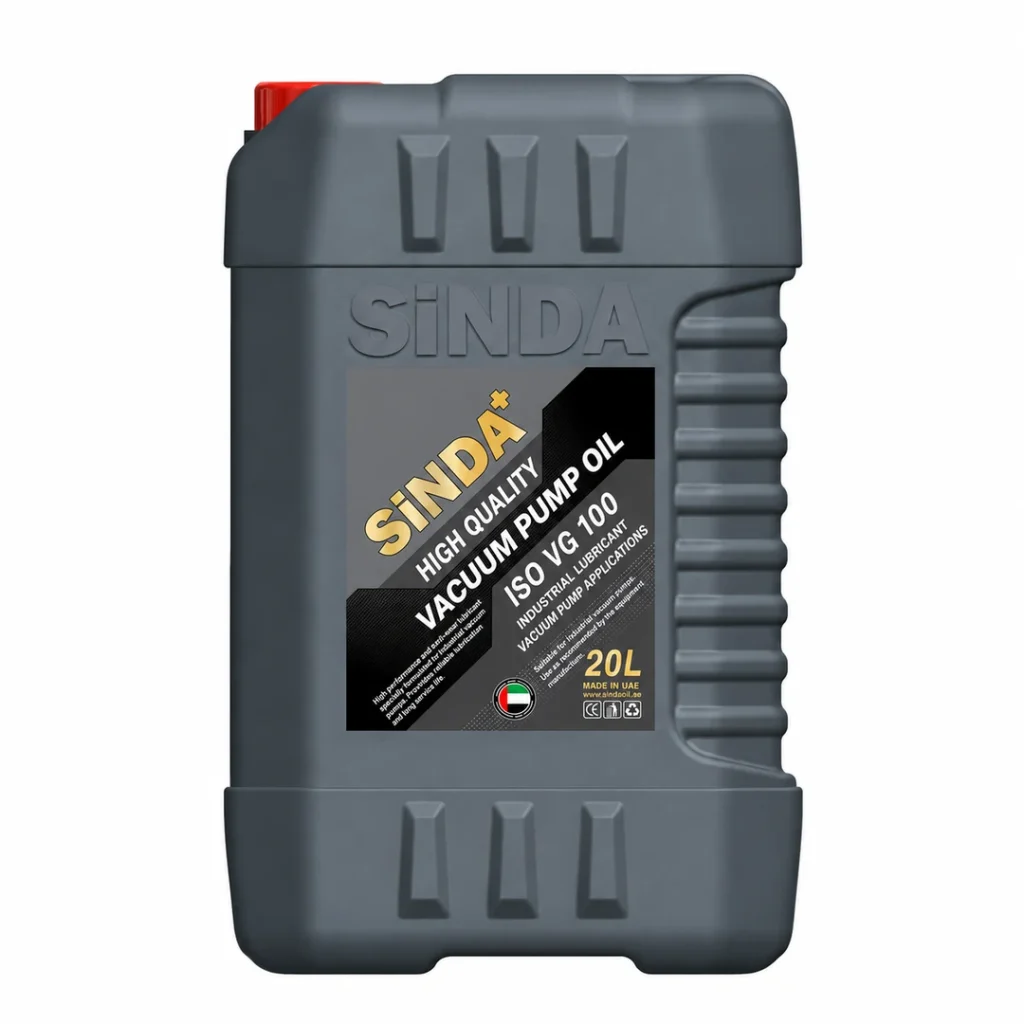
Vacuum pump oils — Product Routes
We supply vacuum pump oils for industrial enquiries involving pumps that require a compatible lubricating and sealing fluid. Listed routes include Vacuum Pump Oil 68 and Vacuum Pump Oil 100.
These routes support grade comparison; they do not establish a guaranteed ultimate vacuum, vapour pressure or compatibility with every process gas. The exact pump and the process it serves must be assessed together.
Our industrial lubricants range covers the wider machinery requirement. An air-compressor oil is not automatically an equivalent vacuum-pump lubricant just because its viscosity is similar.
Applications and Performance Requirements
In oil-sealed pump designs, the fluid can lubricate moving contacts, help seal internal clearances and remove heat. Those functions influence the required viscosity and other performance characteristics.
Fluid volatility and vapour pressure may affect the vacuum duty, while oxidation and deposit behaviour influence maintenance performance. Water, solvents and process vapours can also change oil condition and compatibility.
Identify whether the lubricant contacts the process gas or serves a separate lubrication section. Rotary-vane, screw and other pump designs should be evaluated against their own specified fluid requirement.
Pump and Process Selection Guide
| Selection field | Information required | Reason |
|---|---|---|
| Pump identity | Manufacturer, model and design | Establishes the lubrication and sealing arrangement |
| Required fluid | Viscosity and OEM product specification | Identifies the correct grade route |
| Vacuum duty | Required operating pressure and service conditions | Defines relevant performance evidence |
| Process exposure | Water, solvents, gases and contamination | Determines chemistry and maintenance restrictions |
| Current oil | Product identity and condition history | Supports compatibility and conversion planning |
For a UAE plant or workshop, add running hours, oil temperature and any changes in vacuum performance. Slow pump-down or poor ultimate pressure can involve leaks, contamination, valves or mechanical condition as well as lubricant selection.
Process-exposure example
A pump’s performance deteriorates after exposure to condensable process vapours. Identify the contaminant and inspect the system before changing from grade 68 to 100. A viscosity increase does not by itself resolve contamination, leaks or an unsuitable fluid chemistry.
Compatibility and Special Service
Review the exact fluid requirement before handling chemically aggressive, oxygen-rich or otherwise specialised processes. Such services may require a dedicated fluid chemistry and equipment procedure.
A lubricant used by an air-conditioning service vacuum pump should not be assumed suitable for an industrial process pump with different vapour exposure. Equally, a process pump's bearing lubricant may differ from the fluid used in its pumping chamber.
When Not to Substitute
Do not choose solely between 68 and 100 by assuming the higher grade will create a better vacuum. The machine's specified viscosity and process conditions remain decisive.
Do not mix residual oils or change to another chemistry without assessing compatibility. A contaminated system may need cleaning or a defined changeover procedure; fresh oil alone may not restore performance.
This category does not provide a breathing-air, oxygen-service or food-contact approval. Verify any special acceptance requirement separately for the exact formulation and equipment.
Technical Documents and Supply
Request the grade's TDS and SDS and the pump-relevant performance information. Where a pressure or vapour-pressure value is important, confirm its test conditions and whether it applies to the lubricant or to the complete pump system.
Send pump details, required fluid, current oil, process exposure, operating temperature, vacuum requirement, quantity and delivery destination. Include the observed problem if the enquiry follows a performance change. We use that information to identify the relevant product and confirm supply terms.
Frequently Asked Questions
Can compressor oil replace vacuum pump oil?
Only where the exact formulation is documented for the pump and process requirement.
Does a higher viscosity guarantee a deeper vacuum?
No. Vacuum performance depends on the pump, process, condition and appropriate fluid selection.
Request a Technical Quotation
Discuss the equipment, required grade, operating duty and order quantity with SiNDA to identify the relevant product route and request a Dubai, UAE or international supply quotation. Contact us on WhatsApp: +971 56 154 4177.