
FOOD GRADE LUBRICANTS
Match food-machinery lubrication duties with the correct viscosity, chemistry and product-specific incidental-contact documentation.
- Open this page on mobile
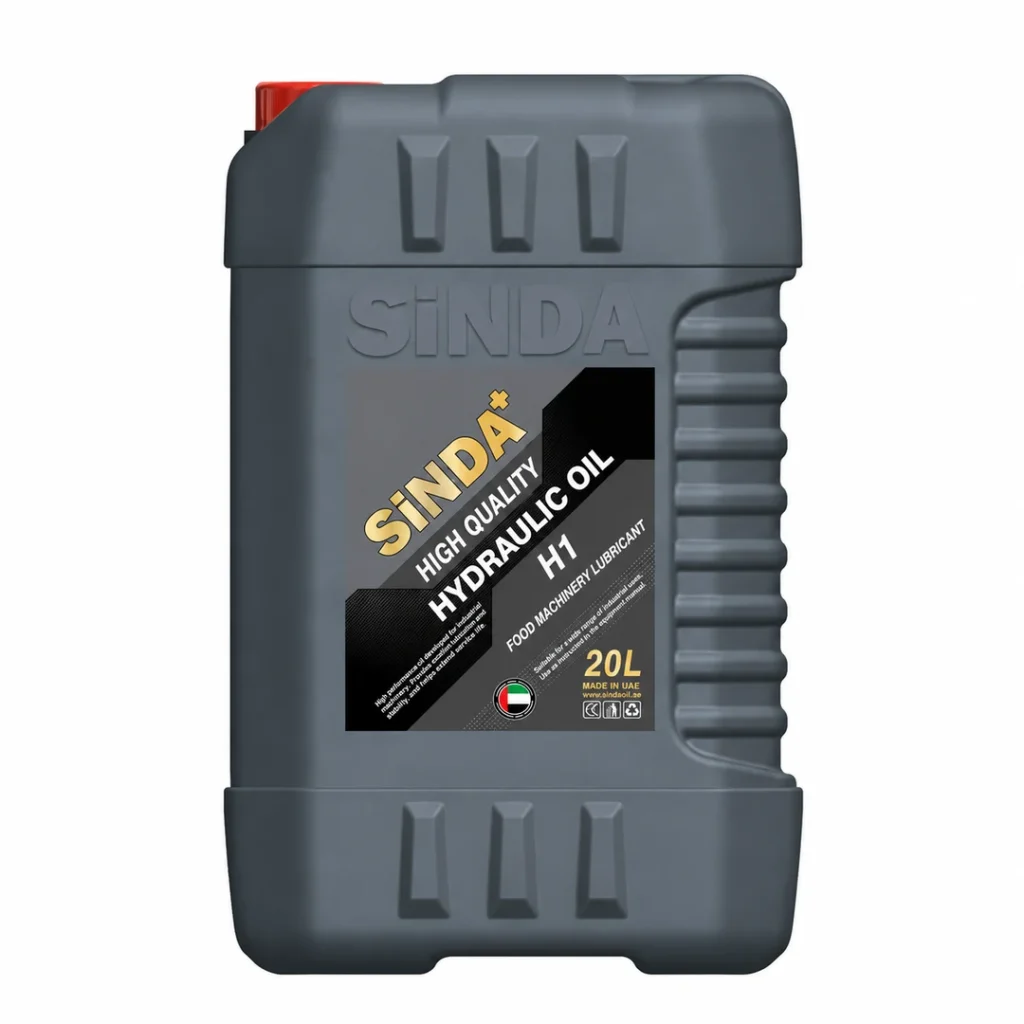
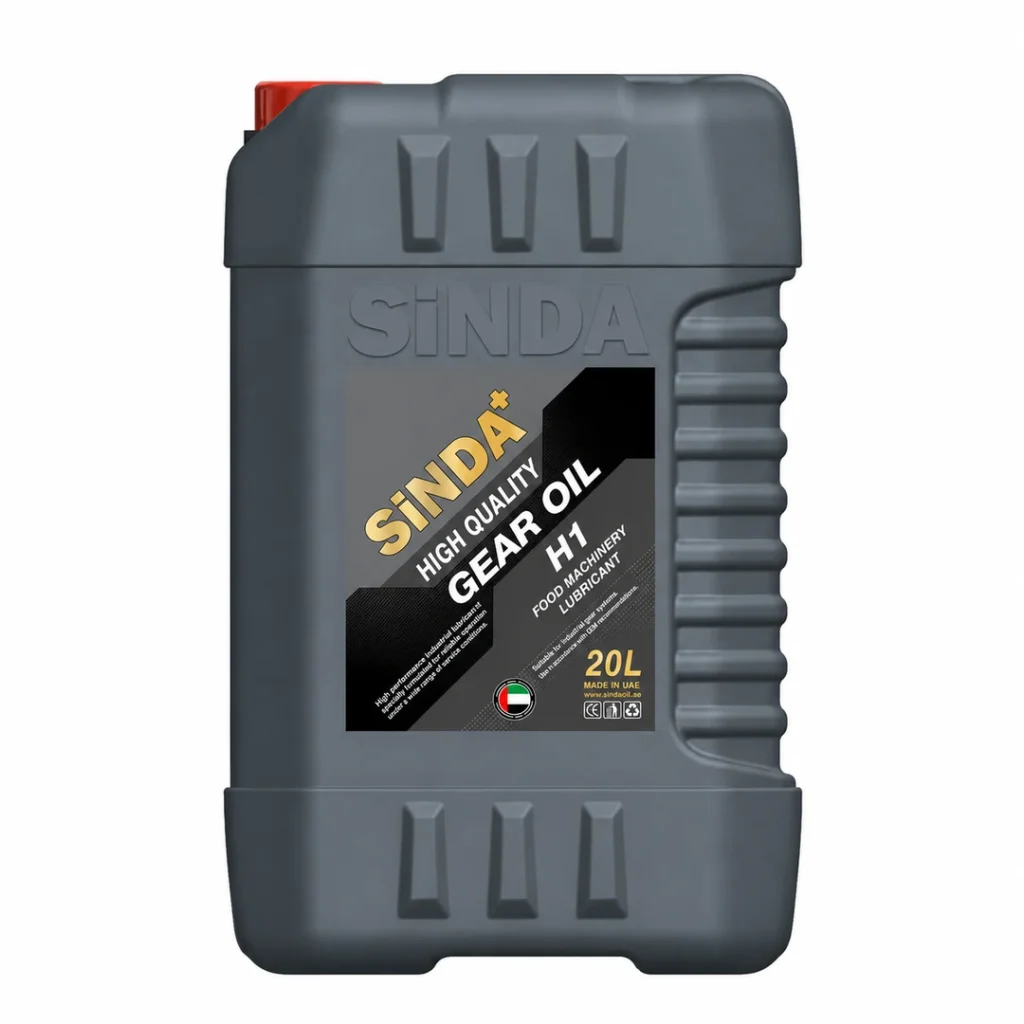
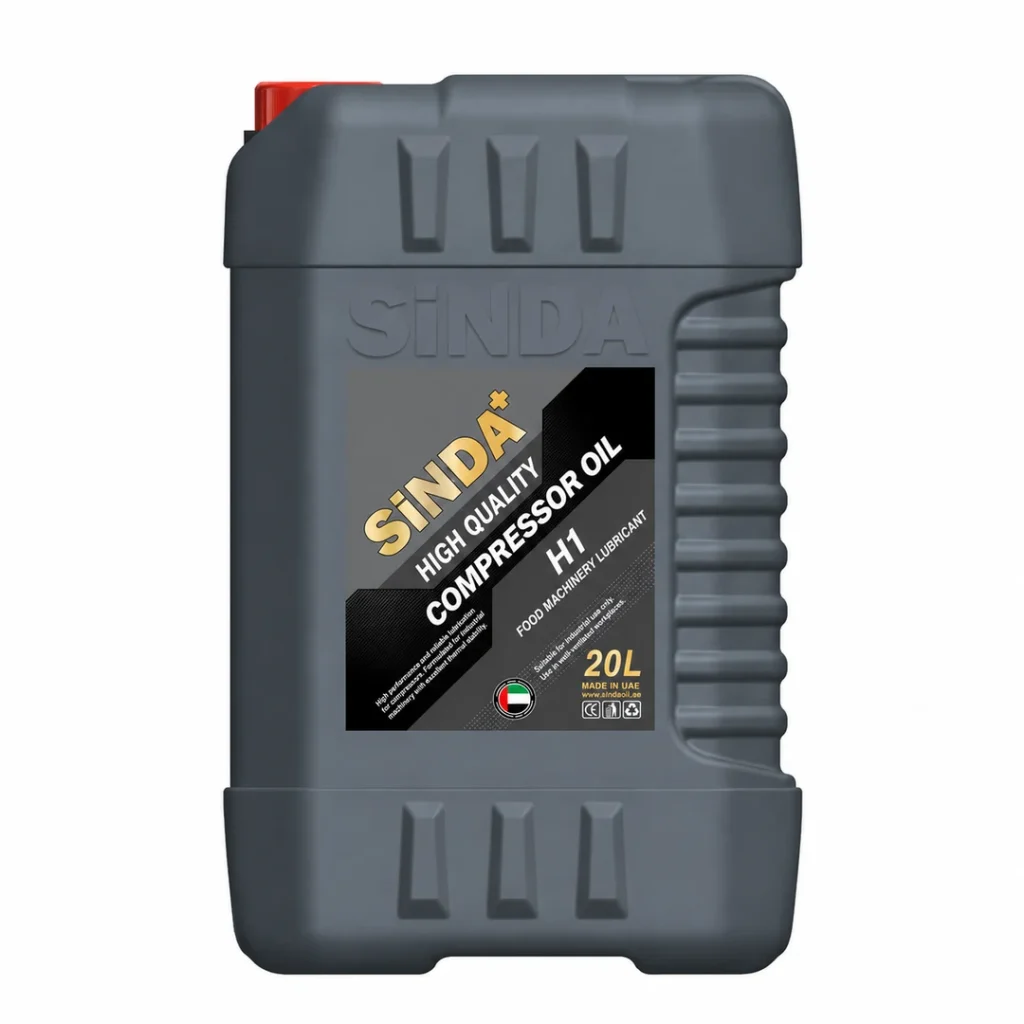
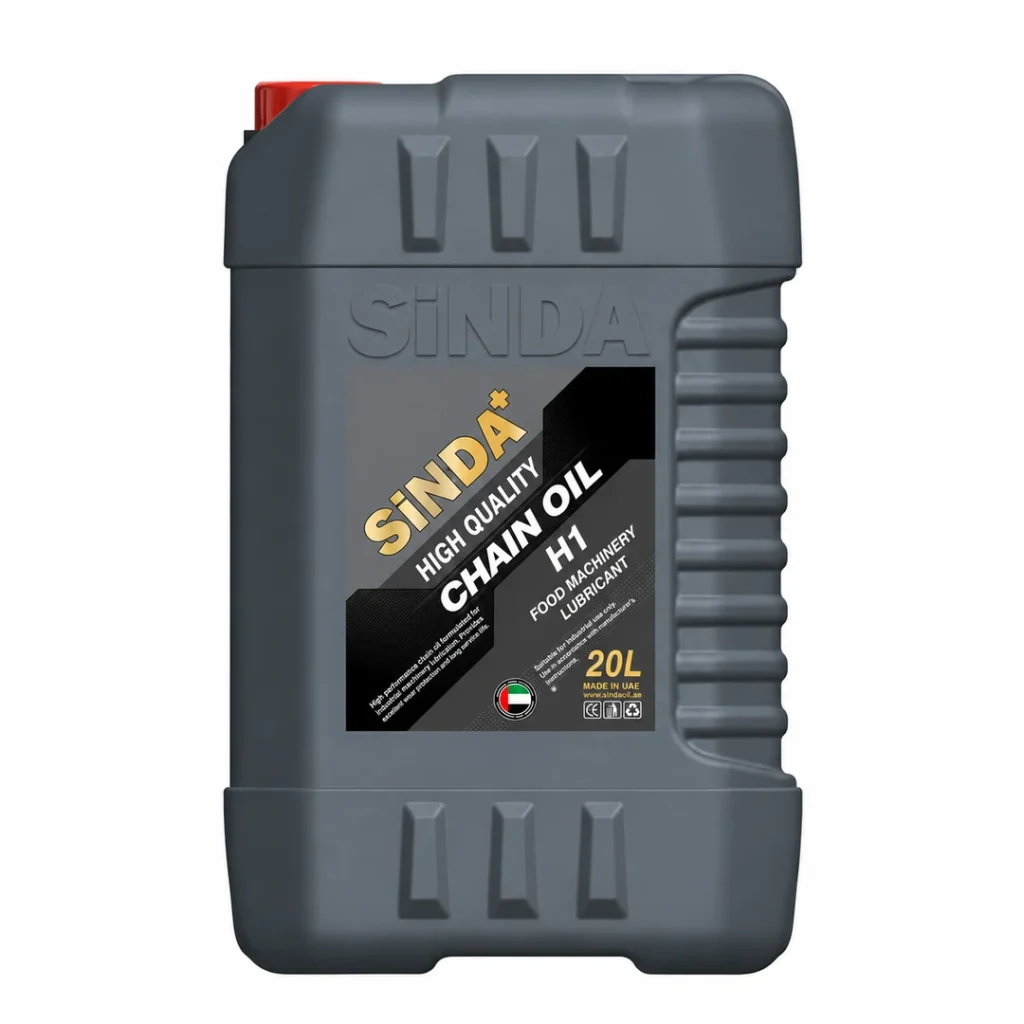
Food-grade lubricants — Product Routes
We support food-grade lubricants enquiries for processing and packaging facilities that require a documented incidental-contact lubrication route. This collection separates the machine application from the food-contact acceptance requirement so both can be assessed correctly.
Our listed routes include Hydraulic H1, Gear H1, Compressor H1 and Chain Oil H1. These labels identify application routes; they do not establish one common viscosity, operating-temperature range or certification status across the collection.
Use the industrial lubricants range for the wider machinery requirement. Where a particular food-contact registration or certification is required, request current evidence for the exact offered product.
Applications and Selection Priorities
Food and beverage plants can use lubricants in hydraulic systems, enclosed gearboxes, air compressors and conveyor chains. Each application has its own mechanical, thermal and contamination-control needs.
The H1 category concerns incidental food contact. It is not permission for deliberate contact, and it does not replace the equipment manufacturer's lubrication requirement. ISO 21469 certification is a separate hygiene-related assessment and should be verified independently where specified by the plant.
Maintenance and quality teams should identify where incidental contact is possible, which products are accepted by the site and how lubrication equipment is controlled after purchase.
Application Selection Matrix
| Equipment route | Mechanical requirement | Additional food-plant check |
|---|---|---|
| Hydraulic systems | Pump specification, viscosity and seal compatibility | Exact product acceptance and transfer controls |
| Enclosed gears | Gear design, load and fluid chemistry | Registration or certification scope required by the site |
| Air compressors | Compressor design and lubrication specification | Air treatment and point-of-use quality requirement |
| Chains | Actual chain temperature, contacts and application method | Dripping, overspray and contamination control |
For heated chains, use the temperature at the chain rather than the oven's set point alone. For compressed air, assess filters, dryers and the point of use; changing the lubricant does not by itself establish the required air quality.
Food-plant selection example
A plant requests an H1 oil for both a gearbox and a hot conveyor chain. Treat them as two application briefs: confirm the gear requirements for one and actual chain temperature and delivery method for the other. Then verify the required incidental-contact documentation for each selected product.
Compatibility and Limitations
Do not assume that every H1-labelled product is interchangeable. A hydraulic oil, gear oil and high-temperature chain fluid can have very different formulations even when the same incidental-contact category is required.
An H1 lubricant does not automatically provide Halal, Kosher or ISO 21469 certification. Request each document that forms part of the plant's acceptance criteria and check the exact product identity and current validity.
Changing from a conventional oil may require a documented conversion procedure. Review residual oil, seals, reservoirs and dispensing equipment. Dedicated transfer equipment and clear identification help prevent accidental mixing after conversion.
Technical Documents and UAE Supply
Send the machine model, application, OEM lubricant requirement, current product, operating temperature and exposure to water or cleaning chemicals. Add the site's required registration or certification evidence, quantity, packaging preference and delivery location.
For Dubai and UAE plants, the quotation brief should connect maintenance needs with quality-team acceptance. For international orders, identify the destination and any site-specific documentation requirement.
Request the formulation-specific TDS and SDS together with the relevant food-contact evidence. Product naming alone is insufficient to approve a lubricant for a controlled production area.
Frequently Asked Questions
Does H1 mean food can intentionally be exposed to the oil?
No. H1 concerns incidental contact, subject to the applicable product-use conditions and site controls.
Does H1 registration replace ISO 21469 certification?
No. Verify the required registration and certification separately for the exact product.
Request a Technical Quotation
Discuss the equipment, required grade, operating duty and order quantity with SiNDA to identify the relevant product route and request a Dubai, UAE or international supply quotation. Contact us on WhatsApp: +971 56 154 4177.