
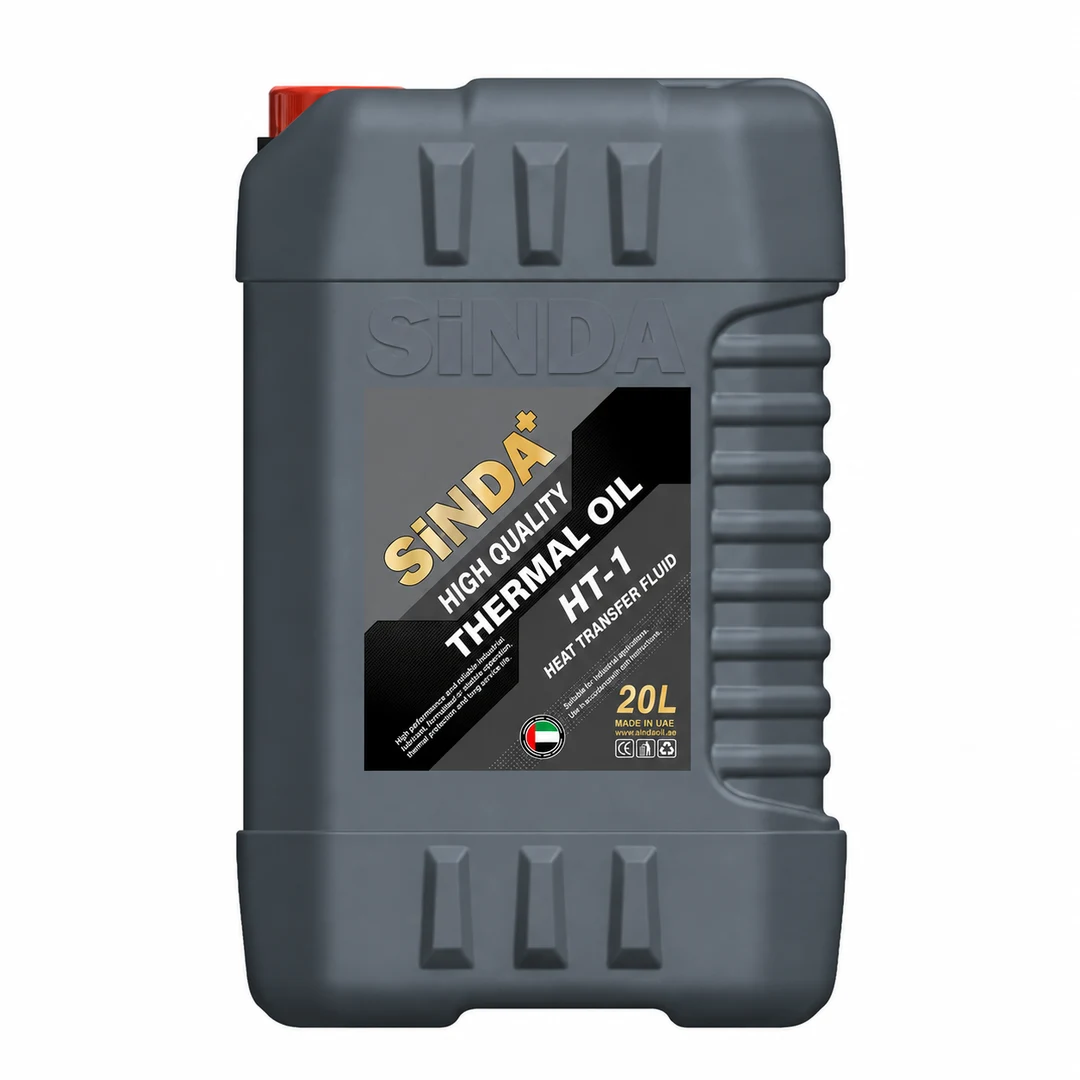
Thermal Oil HT-1
Thermal Oil HT-1 provides a dedicated enquiry route for indirect heat-transfer applications. Define the system’s temperature envelope, circulation conditions and any incidental food-contact requirement before selecting the exact fluid formulation.
- Product Type
- Key Performance
- Application
- Open this page on mobile
Product Overview
We offer Thermal Oil HT-1 enquiries for industrial users evaluating a dedicated heat-transfer fluid. The purpose is to match the fluid to the heating installation, including its operating temperature, circulation design and process environment.
A thermal fluid carries heat from the heater to the process through a controlled circulation loop. Its suitability depends on thermal behaviour and system compatibility, not simply on its room-temperature appearance or flash point.
The designation HT-1 does not identify an ISO viscosity grade. Establish the actual viscosity and formulation before comparing it with Thermal Oil 32, 46 or another numbered product.
Operational Applications
Potential enquiries include jacketed vessels, process heat exchangers, temperature-control units and other indirect heating installations designed for a compatible thermal fluid.
Where the process involves food or beverages, identify the possible route from the thermal circuit to the product. A heat-exchanger leak, for example, creates a different purchasing requirement from a completely segregated nonfood process.
Our industrial lubricant selection route helps identify the appropriate product family. Heat-transfer duty should remain separate from hydraulic power transmission and general machinery lubrication.
Performance Characteristics
Thermal stability: The fluid’s resistance to degradation matters at the actual bulk and film temperatures. Local overheating can create deterioration even when the measured loop temperature appears acceptable.
Circulation: Adequate flow removes heat from the heater surface. Cold-start viscosity and the pump’s operating envelope must be considered together.
Oxidation exposure: Air contact in an expansion arrangement can influence fluid condition. Review the system design and operating practice rather than relying on a general long-life description.
The practical objective is stable process heating with manageable fluid condition, predictable circulation and a defined maintenance plan.
Compatibility & Limitations
Do not interpret a high flash point as permission to operate continuously at that temperature. Flash point, bulk-temperature limit and film-temperature limit describe different properties.
Do not assume compatibility with silicone, aromatic, glycol or other thermal fluids from product naming alone. A mixture can change physical behaviour and complicate condition analysis.
If HT-1 is being used as a food-contact registration category in the purchase specification, verify the exact product listing and permitted use. The name alone is insufficient evidence of registration.
Open systems, natural-circulation systems and direct food contact require separate assessment.
Thermal Oil HT-1 Selection Guidance
Select the fluid against the heater and process requirements, then confirm the exact formulation and documentation.
For example, a food-processing plant replacing the fluid in a jacketed vessel should assess both temperature requirements and the consequences of a heat-exchanger leak. Selecting only by a competitor’s temperature claim leaves the food-contact requirement unresolved.
Use this simple approach: define the thermal duty first, then resolve the contact category and compatibility.
Provide:
- Heater and circulation-system details.
- Normal and maximum bulk temperatures.
- Heater-surface or calculated film-temperature information.
- Cold-start conditions and pump limits.
- Existing fluid and condition-analysis history.
- Any food-contact or audit requirement.
- Fill capacity, preferred packaging and destination.
Compliance & Standards
Viscosity can be measured by ASTM D445, flash point by ASTM D92 and acidity by an appropriate agreed method.
Where a specification requires NSF HT-1 registration, assess that requirement separately from thermal performance. ISO 21469 certification, H1 lubricant registration and HT-1 heat-transfer-fluid registration are not interchangeable statements.
Industrial FAQ
Does HT-1 mean ISO VG 1?
No. It does not establish an ISO viscosity class.
Can an HT-1 fluid be used at any food-processing temperature?
No. Food-contact acceptance and thermal limits must both match the application.
Can I replace the existing fluid without flushing?
Review chemistry, contamination, deposits and the equipment procedure before deciding the changeover method.
Technical Specifications
The following parameters define the technical review for Thermal Oil HT-1.
| Parameter | Why it matters |
|---|---|
| Viscosity across temperature | Pumpability and circulation |
| Maximum bulk temperature | Fluid temperature throughout the loop |
| Maximum film temperature | Local temperature at the heated surface |
| Vapour-pressure behaviour | System pressure and boiling margin |
| Thermal properties | Heat-transfer calculations |
| Food-contact documentation, where required | Application acceptance |
These parameters must refer to the selected formulation. A product code cannot establish their numerical values.
State both the normal operating condition and the most demanding expected startup or process condition.
Thermal Oil HT-1 should be selected from a defined temperature envelope, circulation requirement and documented application category. Establish these inputs before approving replacement or initial fill. Contact SiNDA for technical evaluation and a supply enquiry for Dubai, the UAE or your international project: +971 56 154 4177.
For direct and secure purchases with guaranteed quality, contact our experts now and benefit from free consultation.