
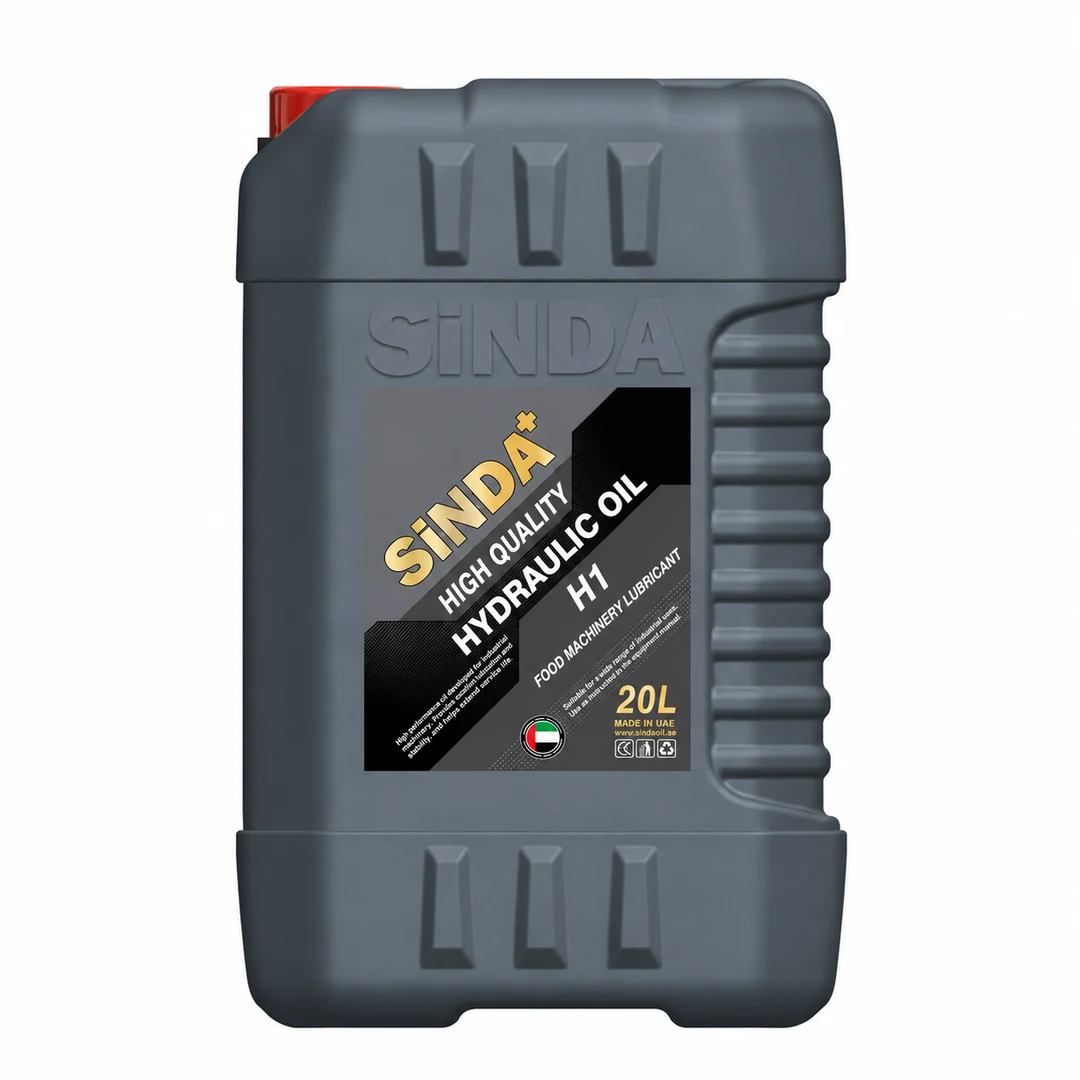
Hydraulic H1
Hydraulic H1 addresses hydraulic lubrication requirements where incidental food contact is a purchasing consideration. Match the selected grade and pump performance with the required food-contact documentation to support both machinery reliability and site acceptance.
- Product Type
- Key Performance
- Application
- Open this page on mobile
Product Overview
We offer Hydraulic H1 enquiries for food and beverage machinery requiring a hydraulic lubricant with an appropriate incidental-contact category.
The lubricant must satisfy two separate requirements: the hydraulic equipment’s performance needs and the site’s food-contact acceptance criteria. Meeting one does not automatically satisfy the other.
H1 describes a lubricant category rather than a viscosity grade. The required ISO VG, base-fluid chemistry and pump performance still need to be identified. This page supports that selection and documentation review without assigning one universal grade to all food-processing equipment.
Operational Applications
Relevant enquiries can include compatible hydraulic power units, presses, lifts, packaging machinery and other food-processing equipment where the site’s risk assessment identifies a suitable H1 lubricant requirement.
Identify the possible route from the hydraulic circuit to food or packaging. Equipment location alone does not define the complete requirement.
Our industrial lubricants route provides the broader machinery selection.
For Dubai and UAE food plants, include washdown conditions, reservoir temperature and the machine’s cleanliness requirement. These operating details influence hydraulic performance independently of food-contact categorisation.
Performance Characteristics
Hydraulic power transmission: Appropriate viscosity supports pump delivery and component lubrication. A fluid that meets a food-contact requirement can still be unsuitable if its hydraulic performance is wrong.
Wear control: Pump and valve requirements should be matched to the documented formulation performance, particularly where pressure and duty cycle are demanding.
Air and water management: Washdown exposure and aeration can affect system behaviour. Fluid properties must work alongside functioning breathers, seals, filtration and maintenance.
Condition monitoring: Track viscosity, water and contamination against the machine’s limits. The aim is predictable hydraulic operation within the plant’s hygiene-control framework.
Compatibility & Limitations
H1 does not mean that deliberate food contact is permitted or that contamination can be ignored. The plant must maintain controls that prevent lubricant entering the product.
Do not assume that all food-grade hydraulic fluids use the same base chemistry. Confirm compatibility before replacing mineral, PAO, ester, PAG or another specialised fluid.
A change from a conventional lubricant requires a planned conversion. Residual oil, filters, transfer equipment and refill practices can affect the resulting system charge.
Fire-resistant hydraulic applications and specialised elastomers require separate review rather than selection from the H1 designation alone.
Hydraulic H1 Selection Guidance
Select the required hydraulic grade and performance first, then verify the exact food-contact acceptance and site documentation.
For example, a packaging-machine hydraulic unit may require ISO VG 46 and a particular pump-performance level. An H1 product of VG 100 does not become suitable merely because its food-contact category is appropriate. Both the mechanical and hygiene requirements must match.
Use this simple rule: approve the fluid through maintenance and quality assurance together.
Provide:
- Machine and hydraulic-pump details.
- Required ISO grade and performance specification.
- Operating pressure and temperature range.
- Current lubricant and proposed changeover.
- Potential contact route and site acceptance criteria.
- Required traceability and certification documents.
- Quantity, preferred packaging and delivery destination.
Compliance & Standards
H1 registration and ISO 21469 certification address different forms of food-lubricant assurance. They should be verified separately for the exact product where required.
Hydraulic specifications, including relevant DIN 51524 or equipment-builder requirements, remain separate technical criteria. H1 does not establish compliance with every hydraulic performance category.
Industrial FAQ
Does H1 mean the oil is edible?
No. It concerns incidental-contact use conditions, not use as a food ingredient.
Which viscosity should I order?
Use the machine specification and operating conditions. H1 itself does not identify a grade.
Can I add it directly to conventional hydraulic oil?
Review the conversion procedure and site acceptance requirements before mixing or topping up.
Technical Specifications
| Selection field | Required information |
|---|---|
| Viscosity grade | Machine-specified ISO VG |
| Pump requirement | Type, pressure and required performance |
| Temperature range | Startup and normal reservoir conditions |
| Food-contact acceptance | Exact product documentation and permitted use |
| Materials | Seals, coatings and existing-fluid compatibility |
| Site requirements | Audit, traceability and any additional certification |
“H1” does not provide a measured viscosity, operating-pressure rating or universal temperature limit.
The final product comparison should identify the exact formulation and grade. Numerical properties must refer to that selection.
Hydraulic H1 selection requires a documented match between hydraulic performance, viscosity and food-contact acceptance. Identify the exact grade and formulation before procurement approval. Share your machine and quality-assurance requirements with SiNDA for technical evaluation and a Dubai, UAE or export enquiry: +971 56 154 4177.
For direct and secure purchases with guaranteed quality, contact our experts now and benefit from free consultation.