
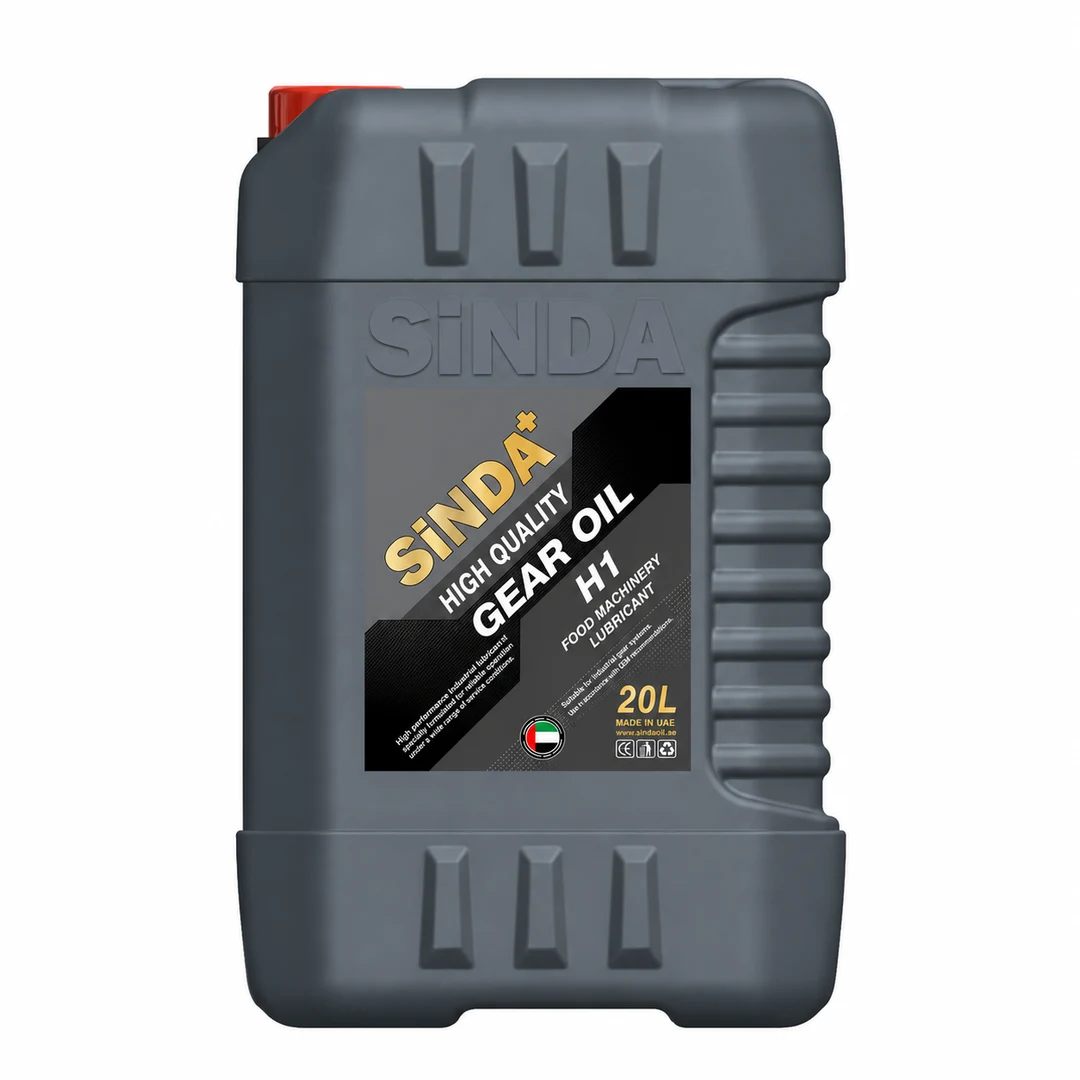
Gear H1
Gear H1 supports gearbox-lubricant enquiries where incidental food contact must be considered. Match gear design, operating viscosity and load requirements with the exact product’s acceptance documents before approving a replacement.
- Product Type
- Key Performance
- Application
- Open this page on mobile
Product Overview
We offer Gear H1 enquiries for food and beverage equipment requiring an enclosed-gear lubricant with an appropriate incidental-contact category.
The technical requirement starts with the gearbox. Gear type, speed, load, materials and temperature determine the necessary viscosity and performance. Food-contact acceptance adds a separate requirement to that mechanical selection.
H1 is not an ISO viscosity grade or an extreme-pressure rating. A suitable purchasing specification must identify the exact grade and formulation, together with the evidence required by the plant’s maintenance and quality teams.
Operational Applications
Relevant enquiries include compatible conveyor drives, mixers, packaging-machine gearboxes and other enclosed reduction units in food-processing installations.
Identify the gearbox’s location and potential contamination route. A drive above an exposed product can present a different site requirement from a segregated drive outside the production area.
Our industrial lubricant range provides the wider machinery route.
For UAE plants, include actual sump temperature, washdown exposure and duty cycle. The fact that a drive operates in a food factory does not remove the need for equipment-specific gear lubrication.
Performance Characteristics
Film formation: Correct operating viscosity supports separation at gear contacts and bearings. Too much viscosity can add drag, while too little can reduce the available film.
Load protection: Gearbox requirements may include specific anti-wear, extreme-pressure or surface-fatigue performance. These need documented evidence.
Thermal behaviour: Sump temperature, load and cooling influence the oil’s working condition. A high-temperature claim should not replace the gearbox’s viscosity guidance.
Contamination control: Water ingress and washdown exposure can affect lubricant condition. The selected fluid must work with effective seals, breathers and maintenance practices.
Compatibility & Limitations
Do not assume all H1 gear oils share the same base chemistry or can be mixed. PAO, PAG, ester and other formulations can require different conversion procedures.
Worm gears and yellow-metal components need particular attention to the specified lubricant and materials. General gear-oil suitability should not be extended automatically.
H1 does not permit intentional food contamination or eliminate the need for leak control.
A conventional gear-oil replacement should include an agreed changeover plan. Residual oil, deposits and transfer equipment can influence the final charge and the site’s acceptance of the conversion.
Gear H1 Selection Guidance
Select the gearbox-required viscosity and performance, then verify the exact product’s food-contact acceptance.
For example, two food-line gearboxes may both require an H1 lubricant, while one uses a hydrocarbon-based oil and the other specifies PAG chemistry. Consolidating them under one product without checking chemistry can create an unsuitable replacement even if the viscosity labels match.
Use this simple rule: match gear design and chemistry before consolidating food-grade lubricants.
Provide:
- Gearbox manufacturer, model and gear arrangement.
- Required grade, performance and approvals.
- Current oil’s full name and chemistry.
- Speed, load, sump temperature and duty cycle.
- Water exposure, leakage or wear concerns.
- Food-contact and audit requirements.
- Fill volume, order quantity and destination.
Compliance & Standards
Food-contact acceptance, ISO 21469 certification and gearbox performance are separate checks.
Relevant gear specifications can include DIN 51517 or equipment-builder requirements, depending on the application. Any claimed performance or registration must apply to the exact formulation and grade. A general H1 designation does not establish every gear-performance requirement.
Industrial FAQ
Does H1 identify the gearbox viscosity?
No. The required ISO grade comes from the equipment specification.
Can one H1 oil serve all food-line gearboxes?
Only where chemistry, viscosity, materials and performance requirements align.
Can an H1 gear oil replace an open-gear compound?
Do not assume so. Open gears can require a different product type and application method.
Technical Specifications
| Selection field | Required information |
|---|---|
| Viscosity | Gearbox-specified ISO grade |
| Gear design | Spur, helical, bevel, worm or other arrangement |
| Loading | Torque, shock duty and operating pattern |
| Materials | Gear metals, seals and internal coatings |
| Food-contact requirement | Exact product acceptance and permitted use |
| Replacement | Existing chemistry and changeover procedure |
The product designation does not establish a universal viscosity, load-carrying result or maximum temperature.
Use the current data for the selected formulation and grade to complete the technical comparison.
Gear H1 selection combines gearbox-specific lubrication with documented food-contact acceptance. Confirm viscosity, chemistry, materials and the conversion procedure before purchase. Contact SiNDA for technical evaluation and supply enquiries covering Dubai, the UAE or international food-processing projects: +971 56 154 4177.
For direct and secure purchases with guaranteed quality, contact our experts now and benefit from free consultation.