
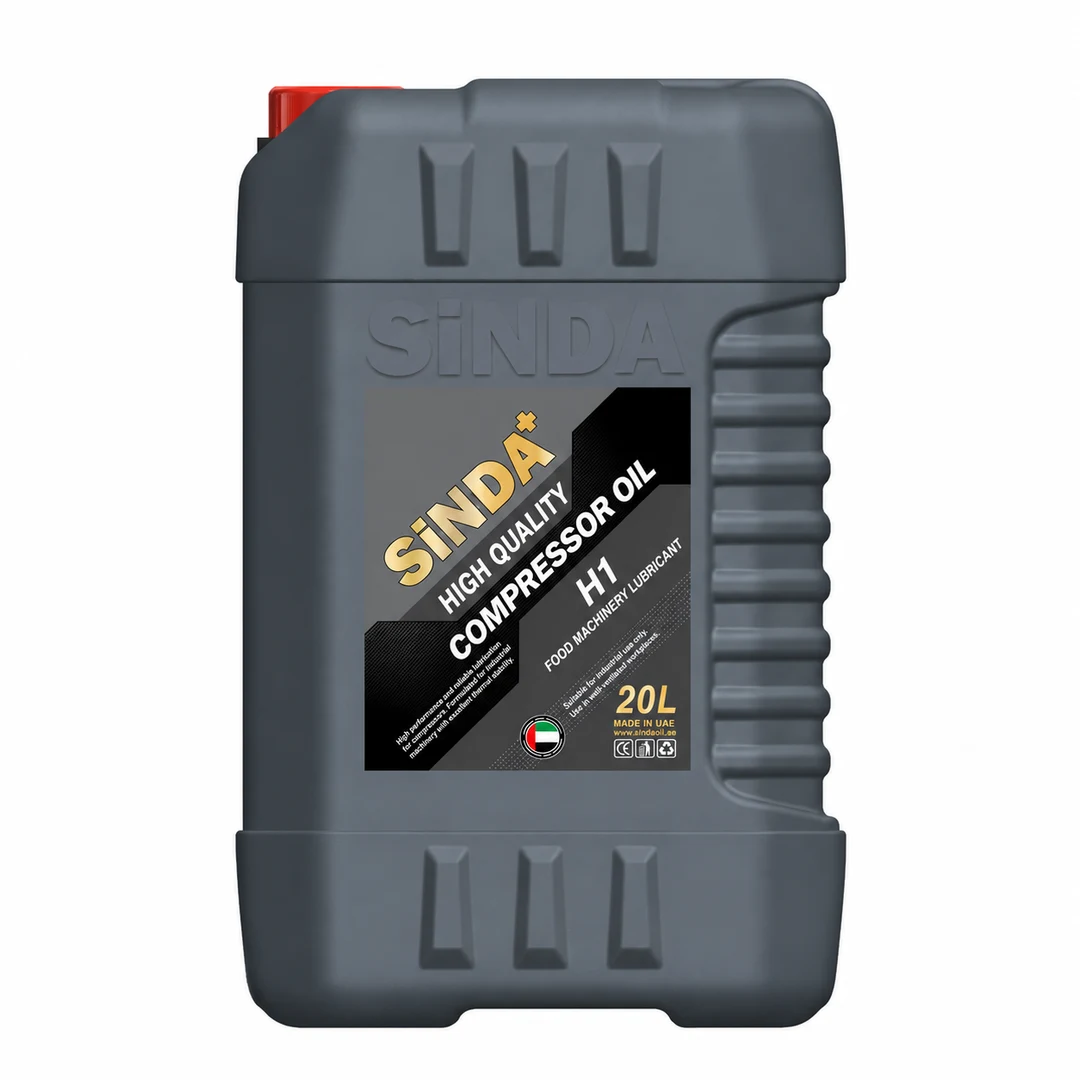
Compressor H1
Compressor H1 addresses compressor-lubricant requirements where incidental food contact is part of the site assessment. Match the compressor’s fluid specification with food-contact documentation and downstream air controls before approving supply.
- Product Type
- Key Performance
- Application
- Open this page on mobile
Product Overview
We offer Compressor H1 enquiries for food and beverage operations evaluating a compressor lubricant with an appropriate incidental-contact category.
The selected fluid must satisfy the compressor’s mechanical and thermal requirements while meeting the plant’s lubricant-acceptance criteria. These are connected purchasing decisions, but they require separate evidence.
H1 does not identify the viscosity, compressor type or drain interval. It also does not define the quality of the compressed air at the point of use. The complete assessment should include the machine, lubricant and downstream air-treatment system.
Operational Applications
Relevant enquiries include compatible air compressors serving food-processing, beverage and packaging operations where the site identifies an H1 lubricant requirement.
Specify whether the compressed air contacts food, packaging or only general plant equipment. Different uses can require different contamination-control measures.
Our industrial lubricant selection route supports the wider machinery requirement.
For Dubai and UAE plants, include compressor-room temperature, oil temperature and loading pattern. Oil-injected screw, vane and reciprocating compressors should be assessed individually against their own lubrication specifications.
Performance Characteristics
Lubrication and cooling: The selected formulation must suit the compressor’s internal lubrication and heat-removal functions. Food-contact acceptance does not replace this technical requirement.
Deposit control: Fluid condition and hot-zone performance matter during extended running. Review the machine’s maintenance findings and operating temperature.
Separation behaviour: Oil recovery depends on the lubricant and the compressor’s separator, return line and operating condition. A product change should include compatibility assessment.
Air-system control: Filters, dryers, maintenance and monitoring influence delivered air quality. The lubricant is one element within that wider control system.
Compatibility & Limitations
H1 does not make the compressed air oil-free, sterile or suitable for breathing. Those claims require separate system and application evidence.
Do not extend an air-compressor lubricant to refrigeration service solely because both applications occur in a food plant. Refrigerant compatibility and specialised fluid requirements must be assessed separately.
Confirm compatibility with the existing lubricant, seals and separator materials. A conversion from PAG, ester or another chemistry may require a specific procedure.
Maintain contamination controls after conversion. Dedicated transfer equipment and clear reservoir identification help prevent accidental mixing with conventional lubricants.
Compressor H1 Selection Guidance
Match the compressor requirement first, then verify the exact fluid’s food-contact acceptance and the site’s air-quality controls.
For example, a food plant may change its compressor lubricant to an accepted H1 product while leaving a saturated downstream filter in service. The lubricant change alone does not establish the required air quality at the production line. Both maintenance and quality teams need to review the system.
Use this simple rule: approve the lubricant and the air-use requirement together.
Provide:
- Compressor model and required lubricant specification.
- Current product, chemistry and drain interval.
- Oil temperature, loading and operating hours.
- Compressed-air use and point-of-use requirement.
- Separator, filtration and drying arrangements.
- Required registration or certification evidence.
- Quantity, packaging and delivery destination.
Compliance & Standards
H1 registration and ISO 21469 certification should be verified separately where required for the exact product.
Compressor performance requirements may reference DIN 51506 or relevant ISO categories. Compressed-air purity specifications address another system-level requirement. None should be inferred solely from the H1 designation or the lubricant’s viscosity grade.
Industrial FAQ
Does Compressor H1 produce food-safe compressed air automatically?
No. The complete air system and point-of-use requirement must be assessed.
Which viscosity is required?
Use the compressor manufacturer’s specification. H1 does not identify an ISO grade.
Can the same product lubricate a refrigeration compressor?
Only where the exact formulation is documented for the refrigerant, equipment and food-contact requirement.
Technical Specifications
| Selection field | Required information |
|---|---|
| Compressor | Manufacturer, model and compression design |
| Viscosity | OEM-specified ISO grade |
| Fluid chemistry | Required base fluid and compatibility |
| Operating conditions | Temperature, loading and maintenance interval |
| Food-contact acceptance | Exact product documents and permitted use |
| Air quality | Site requirement at the point of use |
The designation does not establish a particular viscosity, temperature limit or guaranteed oil-carryover level.
Use formulation-specific data and the compressor’s requirements to complete the lubricant comparison.
Compressor H1 selection requires a documented match between compressor performance, viscosity, compatibility and food-contact acceptance. Review downstream air controls as part of the application. Contact SiNDA for technical evaluation and a Dubai, UAE or international supply enquiry: +971 56 154 4177.
For direct and secure purchases with guaranteed quality, contact our experts now and benefit from free consultation.